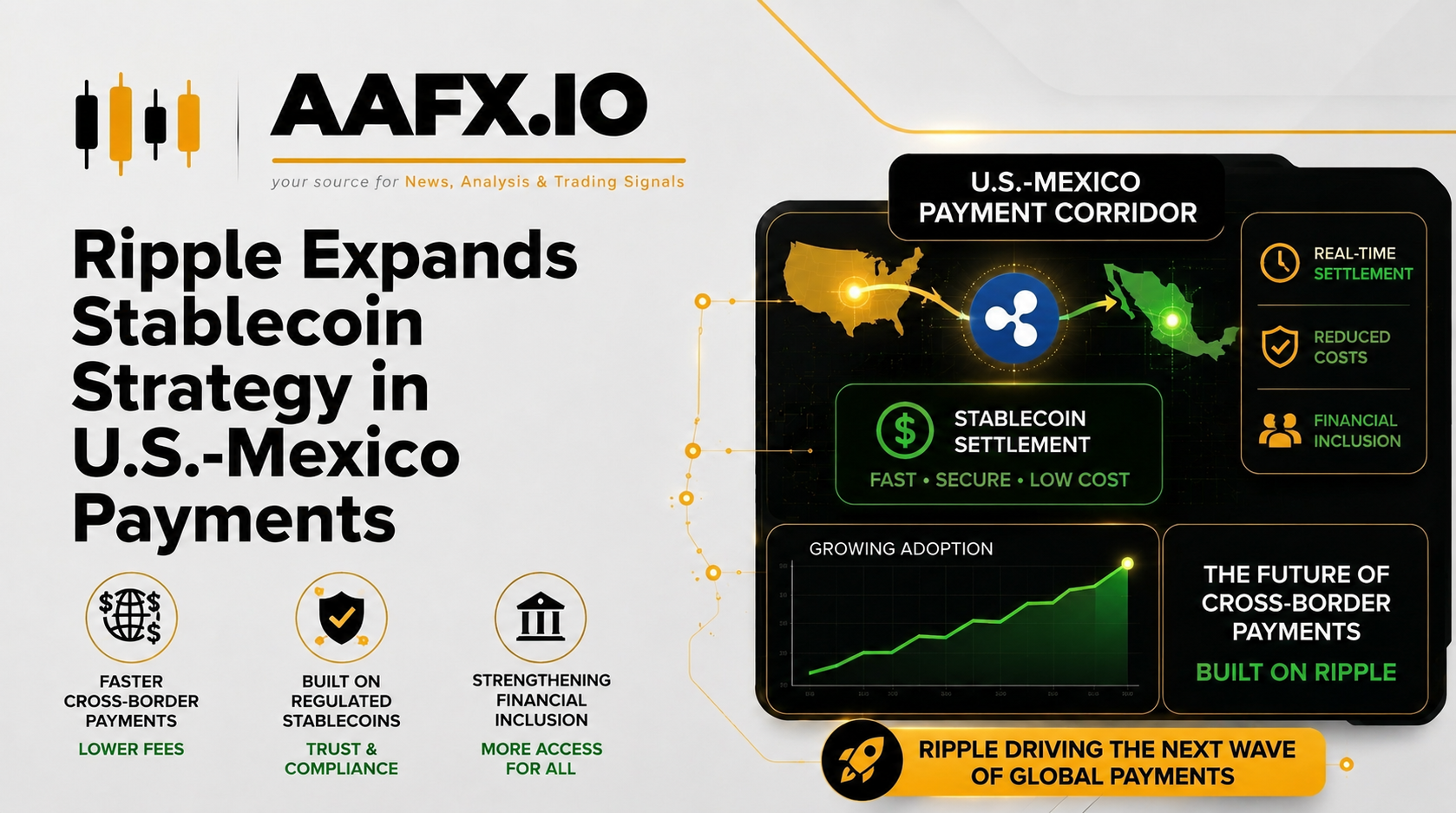
Ripple is strengthening its presence in Latin America by expanding its partnership with Bitso, one of the region’s largest cryptocurrency platforms. The latest initiative brings MXNB, Bitso’s Mexican peso-backed stablecoin, onto the XRP Ledger, creating a new pathway for enterprise-grade cross-border transactions between the United States and Mexico.
The move reflects Ripple’s broader strategy of positioning blockchain technology as practical financial infrastructure rather than merely a digital asset ecosystem. By combining regulated stablecoins with on-chain settlement, the company aims to reduce the friction, cost, and delays often associated with international payments.
With Bitso serving more than 10 million users across Latin America, the partnership provides Ripple with a significant opportunity to expand real-world adoption of blockchain-based payment solutions.
Stablecoins Drive Payment Innovation
The core objective of the collaboration is straightforward: improve the efficiency of cross-border transfers between the U.S. dollar and the Mexican peso. Under the new framework, MXNB will provide peso-denominated liquidity while Ripple’s RLUSD stablecoin supports the dollar side of the transaction.
Both assets are expected to operate within Ripple’s decentralized exchange payment infrastructure, allowing businesses to settle transactions using regulated digital assets rather than relying exclusively on traditional banking networks.
Key benefits of the framework include:
- Faster cross-border transaction settlement.
- Reduced dependence on intermediary banks.
- Regulated liquidity for enterprise users.
- Improved transparency through blockchain technology.
Ripple executives describe the initiative as the next phase of financial connectivity between the two currencies. The company believes combining stablecoin liquidity with blockchain settlement can create a more efficient payment environment for businesses operating across borders.
RLUSD Gains a Practical Use Case
The partnership also expands the utility of RLUSD, Ripple’s U.S. dollar-backed stablecoin. While stablecoins initially gained popularity as trading tools within cryptocurrency markets, their role is increasingly shifting toward payment infrastructure and liquidity management.
Financial institutions and payment providers are exploring stablecoins as alternatives to traditional settlement systems, particularly for international transfers. This trend has accelerated as businesses seek faster and more cost-effective methods for moving money globally.
Recent industry developments highlight the growing momentum:
- Stablecoins are increasingly used for payment settlement.
- Major financial firms are integrating blockchain liquidity tools.
- Enterprise demand for regulated digital assets continues to rise.
- Cross-border payment use cases are expanding rapidly.
By pairing RLUSD with MXNB, Ripple creates a direct application for stablecoins within one of the most significant payment corridors in the Americas.
XRP Ledger Upgrade Supports Growth
The expansion comes as the XRP Ledger prepares for a major technical upgrade through version 3.2.0. The update is expected to reduce node memory requirements by approximately 40%, improve network efficiency, and introduce the new “xrpld” branding for its core server software.
These enhancements are important because institutional payment systems require reliability, scalability, and operational efficiency. As transaction volumes grow, network performance becomes a critical factor in attracting enterprise adoption.
The long-term success of Ripple’s strategy will ultimately depend on usage rather than technology alone. Businesses must see sufficient liquidity, regulatory clarity, and dependable settlement capabilities before committing significant payment flows to blockchain networks.
Still, the foundation is becoming increasingly robust. With MXNB providing peso liquidity, RLUSD supporting dollar settlement, and the XRP Ledger delivering blockchain infrastructure, Ripple is building a framework designed to transform how value moves across one of North America’s most important financial corridors.
If adoption gains traction, the initiative could become a model for stablecoin-powered payments worldwide.
Sources & Methodology
Primary-source standard: Market-moving facts should link to original data releases, regulator notices, company filings or official project announcements whenever available. Secondary reporting is used for additional context, not as a substitute for original evidence.
Page last reviewed: