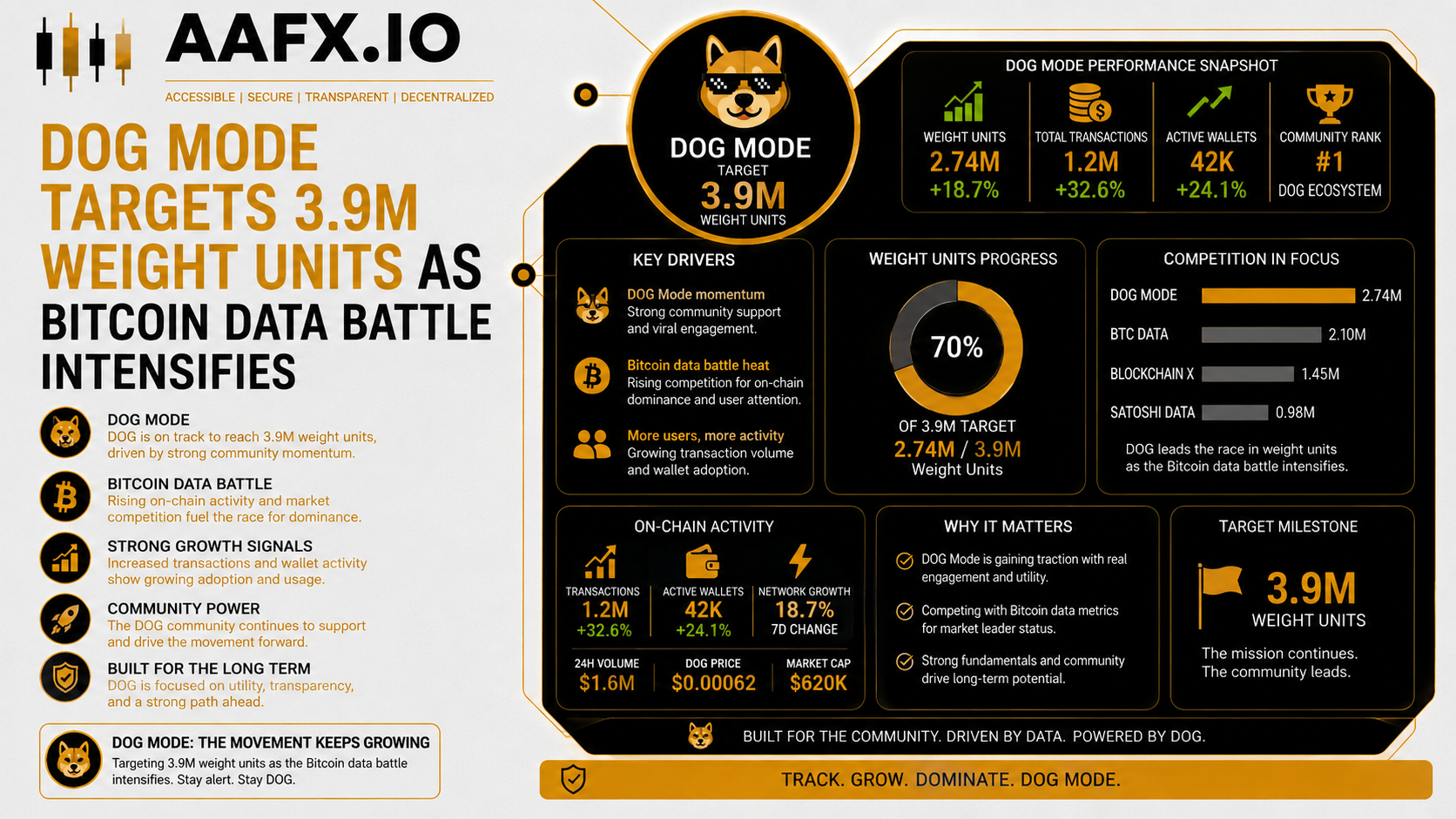
DOG Mode proposes a 3.9M weight-unit transaction limit, challenging Bitcoin Core policies as the debate over Ordinals, Runes, and data usage grows.
DOG Mode Challenges Bitcoin Core as Data Policy Debate Reaches New Stage
A new proposal is reshaping the debate over how Bitcoin should handle non-financial data. While supporters of Bitcoin Improvement Proposal (BIP) 110 continue advocating for tighter restrictions on data-heavy transactions, a separate initiative called DOG Mode is taking the opposite approach by expanding what Bitcoin nodes can relay across the network.
The project was announced by Leonidas, co-founder of Runestone and a well-known advocate within the Ordinals and Runes communities. Unlike BIP 110, which requires miner approval through a consensus-driven process, DOG Mode seeks to modify node relay policies without requiring a network-wide vote.
The distinction is significant. Consensus rules determine whether a block is valid on Bitcoin, while relay policies influence which transactions nodes choose to forward. Transactions rejected under relay policies can still be valid under consensus rules and may be mined if they reach miners directly.
DOG Mode proposes two major changes:
- Increase the standard transaction size limit from 400,000 weight units to 3,900,000 weight units.
- Reduce Bitcoin’s dust limit from roughly 294–546 satoshis to just 1 satoshi.
Considering that a Bitcoin block can contain up to 4 million weight units, the proposal would allow nodes to relay transactions occupying nearly an entire block.
BIP 110 Faces Miner Resistance
The DOG Mode announcement arrives as BIP 110 struggles to gain traction among miners. The proposal aims to restrict arbitrary data stored on Bitcoin by introducing new consensus rules through a user-activated soft fork.
However, support remains extremely limited. Monitoring data shows BIP 110 has failed to secure meaningful miner backing and has not approached the 55% signaling threshold required for activation. Recent signaling periods have recorded virtually no support.
This lack of momentum highlights a broader divide within the Bitcoin ecosystem. One side argues that Bitcoin should remain focused primarily on financial transactions, while the other believes the network can support broader use cases, including digital collectibles, token issuance, and data inscriptions.
Because DOG Mode only alters relay behavior rather than consensus rules, it avoids the lengthy approval process required by protocol upgrades. If node operators adopt the software and miners choose to process eligible transactions, the changes could influence network activity without formal governance approval.
Impact on Ordinals and Runes
The proposed modifications could have substantial implications for Bitcoin-based digital asset ecosystems. Ordinals enable users to embed images, text, and other data directly into Bitcoin transactions, while Runes provides a framework for issuing and trading tokens on the network.
Current dust limits require additional bitcoin to be attached to many outputs. Leonidas estimates that lowering the threshold to one satoshi could unlock approximately $25 million worth of capital currently tied up in transaction padding.
Despite the attention generated by the announcement, DOG Mode remains in its earliest stage. No public code repository, software release, benchmark testing, or production-ready version currently exists.
For now, DOG Mode represents a vision rather than a functioning client. Yet its emergence underscores a growing reality within Bitcoin: future policy battles may increasingly be fought through competing software implementations rather than changes to Bitcoin’s core consensus layer.
Sources & Methodology
Primary-source standard: Market-moving facts should link to original data releases, regulator notices, company filings or official project announcements whenever available. Secondary reporting is used for additional context, not as a substitute for original evidence.
Page last reviewed: