
Bitcoin fell about 1% to $62,829 on Monday, August 3, 2026, slipping below $63,000 and extending weekend losses. A high-profile firmware flaw in Coinkite’s Coldcard cold wallets allowed hackers to steal nearly 1,367 Bitcoin, worth around $86–89 million, from more than 4,500 wallets, according to Galaxy Research. Weak second-quarter earnings from Strategy Inc. and Coinbase added to the pressure. Optimism over further U.S.-Iran negotiations provided little support for crypto markets.
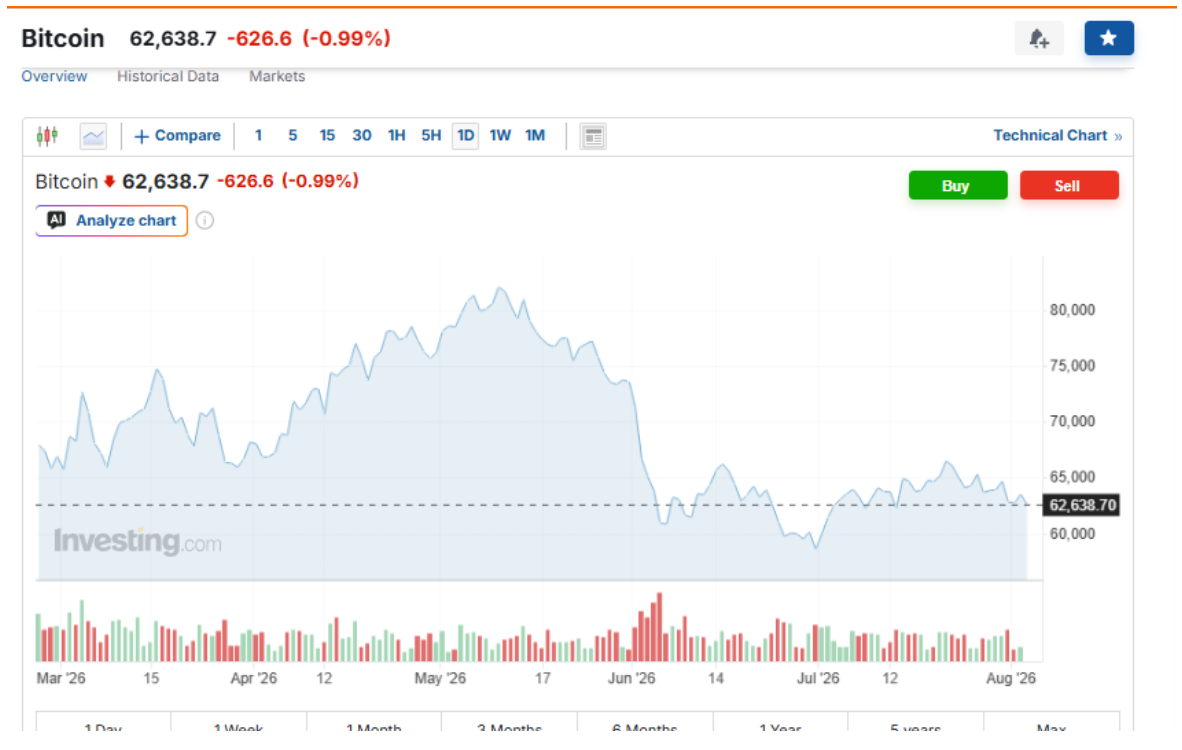
Coldcard Hack Steals 1,367 BTC ($89M) from 4,585 Wallets as Strategy and Coinbase Post Weak Earnings
Galaxy Research tracked the Coldcard thefts across multiple waves that began on July 30. The first wave alone moved about 1,083 Bitcoin, worth roughly $70 million at the time, from 1,196 addresses in just 41 minutes. Later waves, including ones targeting smaller balances, raised the total to approximately 1,367 Bitcoin across roughly 4,585 addresses. A possible fourth wave was also flagged. Most of the stolen funds remain unmoved in attacker-controlled wallets.
The root cause was a firmware error dating to March 2021. Affected Coldcard models (including Mk2, Mk3, Mk4, Mk5, and Q on certain versions) generated seed phrases with far less randomness than intended—around 40 bits of entropy in some cases and about 72 bits in others. This allowed attackers to reconstruct private keys offline without physical access to the devices, PINs, or recovery phrases. Coinkite halted shipments, destroyed remaining affected units at its facilities, contacted customers, and released fixed firmware. Updating the firmware does not repair existing seeds; users must generate new ones on patched devices and move their funds.
Strategy Inc. reported a substantially larger-than-expected second-quarter loss. The company posted an operating loss of about $8.33 billion and a net loss of $8.22 billion, or $24.45 per diluted share, driven mainly by an $8.32 billion unrealized loss on its Bitcoin holdings. Strategy held roughly 843,000 to 846,000 Bitcoin at the time. Coinbase also delivered weaker-than-expected results, with revenue of $1.2 billion, down about 14% from the prior quarter, as lower trading volumes hit the largest U.S. crypto exchange.
Broader crypto prices declined in line with Bitcoin. Ether fell about 1.2% to $1,856, XRP dropped 1.1%, Solana and Cardano each lost around 1–1.4%, and BNB slipped 0.4%. Memecoins such as Dogecoin also fell about 1.2%.
Coldcard Security Shock and Weak Earnings Drag Bitcoin Lower
The Coldcard incident unsettled traders because cold wallets are widely viewed as one of the safest ways to store cryptocurrency. The fact that a years-old firmware flaw enabled large-scale remote theft without any physical access to the devices raised fresh doubts about hardware wallet security. The scale of the losses—nearly $90 million from thousands of wallets, many of them long dormant—amplified the concern.
Weak earnings from two of the sector’s most closely watched public companies compounded the negative mood. Strategy’s heavy paper losses on its large Bitcoin position and Coinbase’s drop in transaction volumes highlighted ongoing challenges for crypto firms. These factors outweighed any positive effect from softer oil prices and comments about possible further U.S.-Iran talks.
Bitcoin Faces Weak Demand as 2026 Market Slump Continues
Cold wallets are designed to keep private keys offline and disconnected from public networks, which normally makes them highly resistant to remote attacks. The Coldcard flaw stemmed from a programming error in firmware released in 2021 that caused seed generation to rely on a weaker software-based random number generator instead of the device’s dedicated hardware chip. Coinkite, the Canadian company behind Coldcard, confirmed the issue and has stressed that the problem is limited to specific firmware versions and seed-generation processes. Other products such as Tapsigner were not affected.
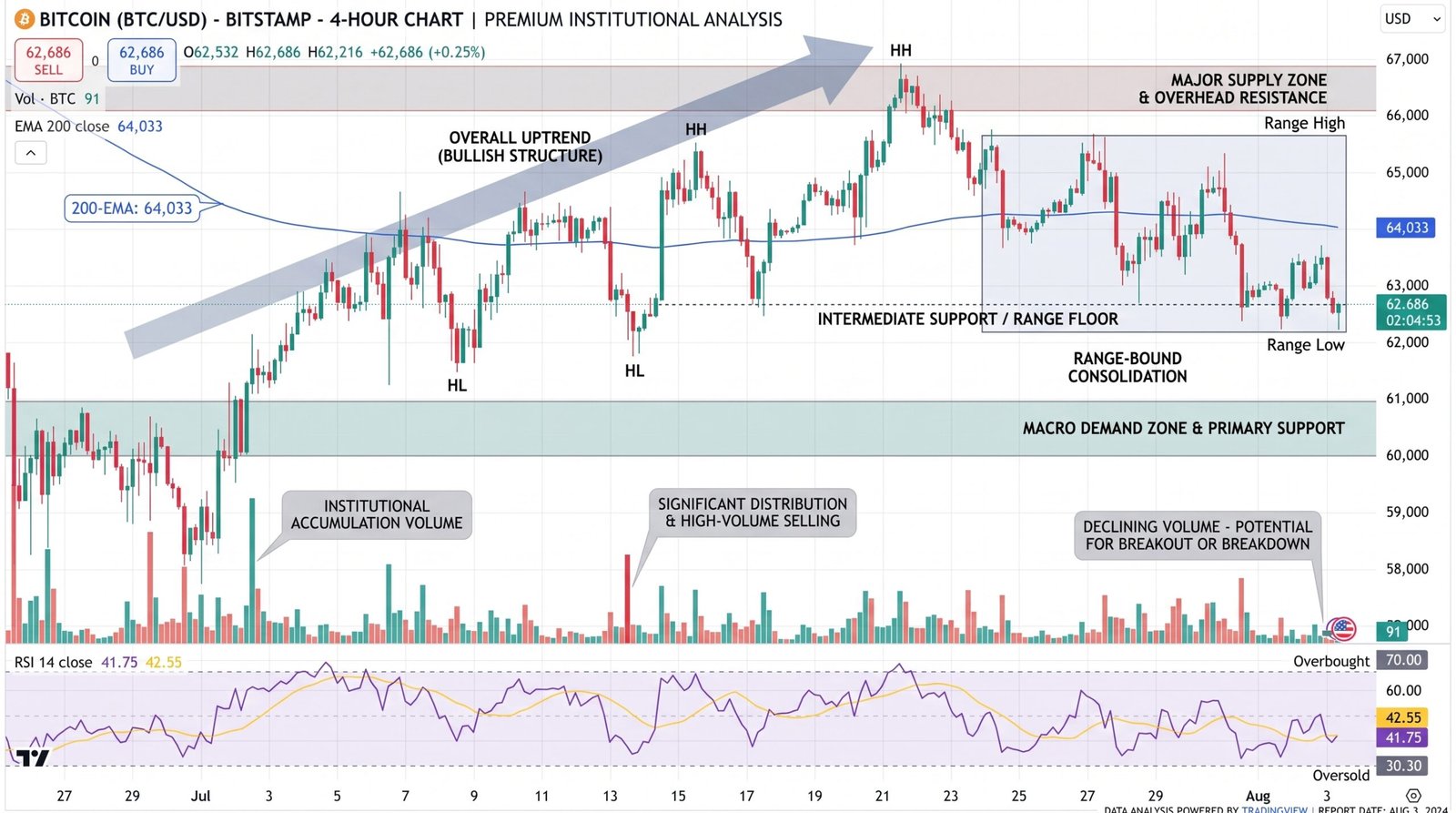
Crypto markets have faced a prolonged period of reduced investor interest in 2026. Sustained losses in Bitcoin, sales by large holders such as Strategy, and the rising popularity of artificial intelligence-linked assets have all weighed on the sector. Risk aversion linked to the U.S.-Iran conflict has added another layer of pressure. President Donald Trump’s remarks about further negotiations with Iran, after Washington canceled a planned weekend strike, helped push oil prices down by as much as 5%, but the development offered limited relief for cryptocurrencies.
Bitcoin Support Levels in Focus After Security Scare
Security researchers and Coinkite continue to monitor for additional drains. The company is urging anyone who may have generated a seed on affected firmware to create a new seed on fixed software and transfer their holdings, starting with a small test transaction. Stolen funds have largely remained unspent, and investigators are tracking the relevant addresses.
Markets will watch for any further waves of thefts, updates on recovery efforts or insurance claims, and developments in U.S.-Iran talks. Bitcoin’s ability to hold support near recent lows will be an important short-term signal. Broader sentiment will also depend on whether risk appetite returns after the latest security scare and earnings disappointments.
Sources & Methodology
Primary-source standard: Market-moving facts should link to original data releases, regulator notices, company filings or official project announcements whenever available. Secondary reporting is used for additional context, not as a substitute for original evidence.
Page last reviewed: