
- Google is backing a Terradot project covering more than 200,000 hectares of rice-growing land in Brazil.
- The project targets 1 million metric tons of methane-abatement credits by 2030 and 1 million tons of carbon-removal credits by 2040.
- Terradot will use enhanced rock weathering, while changes in rice cultivation are intended to reduce methane emissions.
Google has agreed to its largest carbon-removal purchase to date, supporting a large-scale climate project developed by Terradot in Brazil’s Rio Grande do Sul state. The initiative combines two separate climate strategies: reducing methane emissions from rice production and removing carbon dioxide from the atmosphere through enhanced rock weathering. Covering more than 200,000 hectares, the project is substantially larger than previous commercial deployments of the technology and could provide Google with a model for expanding carbon-removal procurement as electricity demand from artificial intelligence and data centers increases.
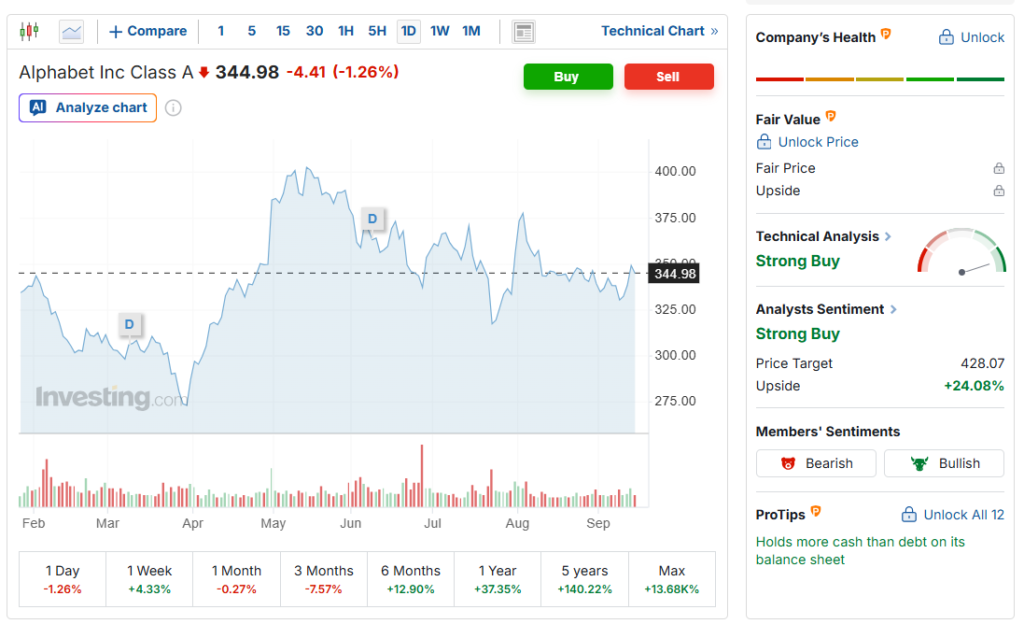
Google Tests Carbon Removal at Scale
The project uses enhanced rock weathering, a method designed to accelerate natural chemical reactions between crushed silicate rock, water and carbon dioxide. When suitable rock material is spread across agricultural land, weathering reactions can convert atmospheric CO2 into dissolved bicarbonate and other stable forms that can ultimately store carbon for long periods.
According to Reuters, the carbon-removal component is approximately 10 times larger than earlier enhanced-weathering projects, making the Brazilian development an important commercial test for the technology. Google already has a financial relationship with Terradot. The technology company took an equity stake in the carbon-removal developer in 2024 as part of its broader effort to support emerging climate technologies. Google and Terradot have not disclosed the financial value of the latest agreement.
Rice Methane Adds Another Climate Target
Carbon removal is only one part of the project. Rice cultivation is a significant source of methane because flooded fields create oxygen-poor conditions in which microorganisms produce the greenhouse gas. The UN Environment Programme has estimated that rice cultivation accounts for roughly 10%–12% of global methane emissions.
Terradot’s project aims to generate 1 million metric tons of methane-abatement credits by 2030. Separately, it targets another 1 million metric tons of carbon-removal credits by 2040. Keeping those credits separate is important because avoiding methane emissions and physically removing atmospheric CO2 represent different climate outcomes.
Methane has a much shorter atmospheric lifetime than carbon dioxide but produces substantially stronger warming over shorter periods. CO2, meanwhile, can remain in the climate system for centuries, which is one reason scientific assessments include carbon removal in pathways for limiting long-term warming. The Intergovernmental Panel on Climate Change has concluded that carbon dioxide removal will be necessary in scenarios that achieve net-zero emissions, particularly for balancing residual emissions from sectors that are difficult to fully decarbonize.
AI Growth Raises Google’s Emissions Challenge
The investment also comes as rapidly expanding AI infrastructure complicates climate targets across the technology sector. Google’s data centers require large amounts of electricity, and the growth of generative AI has increased demand for computing capacity. That makes clean electricity procurement, energy efficiency and carbon removal increasingly important components of the company’s environmental strategy.
Carbon-removal credits remain controversial, however. Critics argue that companies should prioritize direct reductions in their own emissions before relying heavily on removal projects. Carbon-removal developers counter that both emissions reductions and atmospheric removal will be required to address climate change. Google’s Randy Spock said the company views methane mitigation and long-duration carbon removal as complementary rather than interchangeable strategies.
Terradot Targets Lower Removal Costs
Cost remains one of the biggest barriers to scaling enhanced rock weathering. A publicly disclosed 2024 agreement involving 90,000 tons of Terradot carbon removal implied a price of roughly $300 per ton. That is considerably above the approximately $100-per-ton level frequently discussed as a potential threshold for much wider commercial adoption.
Terradot CEO James Kanoff said the new Brazilian project should produce credits at a lower cost than previous agreements, although it has not yet reached $100 per ton.
Verification represents a substantial portion of the expense. Terradot estimates that measurement and verification can add more than $100 per ton to enhanced-weathering projects. Allowing carbon removal to accumulate for longer before conducting third-party verification could reduce those costs. Terradot plans international pilot projects during 2026, followed by commercial expansion beginning around 2028.
The companies also see room to expand beyond the initial Brazilian project. Brazil has approximately 1.5 million hectares of rice fields, while major rice-producing countries such as India and Vietnam could provide substantially larger markets if the approach proves technically and economically viable.
Conclusion
Google’s agreement with Terradot is notable less for the purchase of carbon credits alone than for its scale and structure. The project combines nearer-term methane reductions with longer-duration atmospheric CO2 removal across more than 200,000 hectares of farmland.
Its success will depend on measurable results: whether Terradot can verify the promised climate benefits, reduce the cost per ton and reproduce the model across other agricultural regions.
If those targets are met, the Brazilian project could demonstrate a path for taking enhanced rock weathering from relatively small carbon-removal contracts to projects operating across hundreds of thousands of hectares.
Sources & Methodology
Primary-source standard: Market-moving facts should link to original data releases, regulator notices, company filings or official project announcements whenever available. Secondary reporting is used for additional context, not as a substitute for original evidence.
Page last reviewed: