Solana has activated its Alpenglow upgrade, replacing a core transaction-voting system that had operated since the network launched in 2020. The change targets transaction finality of approximately 150 milliseconds, down from about 12.8 seconds under the previous system, potentially making cryptocurrency payments and trading more responsive. Activated on October 21, 2026, Alpenglow changes how validators agree that transactions are final without requiring users to switch wallets or learn a new payment process. The practical benefits will depend on real-world performance and how quickly applications integrate the new settlement capabilities.
Solana Alpenglow Cuts Transaction Finality
The upgrade replaces TowerBFT, Solana’s previous consensus mechanism, with a new system designed to accelerate agreement among validators. Consensus is the process through which independent computers agree on the order and validity of transactions. Finality marks the point when a transaction is considered settled and cannot ordinarily be reversed.
Under the previous design, validators recorded their votes as blockchain transactions, adding activity that the network needed to process. Alpenglow moves voting off-chain, allowing validators to communicate directly and combine approvals into certificates that establish agreement in one or two voting rounds.
According to Anza, the Solana engineering team behind the upgrade, the transition took place at slot 459,653,000 on October 21 at approximately 14:00 UTC. The handover retired the voting protocol used since Solana’s March 2020 launch.
The main technical changes include:
- 150-millisecond target: Transactions can reach finality far faster than under the previous system.
- Direct validator voting: Votes no longer need to be recorded as ordinary blockchain transactions.
- Certificate-based approval: Combined validator approvals help the network establish finality with fewer voting rounds.
The 150-millisecond figure is a target, not a guarantee for every transaction or network condition. Initial observations and application-level response times may differ from the protocol’s intended performance. Solana’s official upgrade documentation provides further technical details.
Faster Payments Benefit Solana Users
For everyday users, the principal benefit is greater certainty that a payment has settled. Many applications previously displayed transactions as confirmed before they reached full finality, leaving an additional waiting period before funds could be treated as irreversible.
Alpenglow aims to narrow that gap, which could help exchanges, merchants and decentralized finance applications process transactions more efficiently.
A cryptocurrency exchange, for example, could credit a deposit sooner once it has sufficient assurance that the transaction is final. A retailer accepting stablecoins could also complete a purchase with less waiting, while trading applications could respond more quickly to market movements.
However, the improvement users experience will depend on the application, wallet infrastructure and network conditions. Services must receive and process finality information before they can reflect settlement on-screen. Existing wallets and transaction fees are not inherently changed by the consensus upgrade.
Network Statistics May Change After Upgrade
Alpenglow also changes how analysts should interpret Solana’s transaction statistics. Because validator votes no longer appear as ordinary on-chain transactions, headline transaction counts may decline even if the number of payments and trades remains stable.
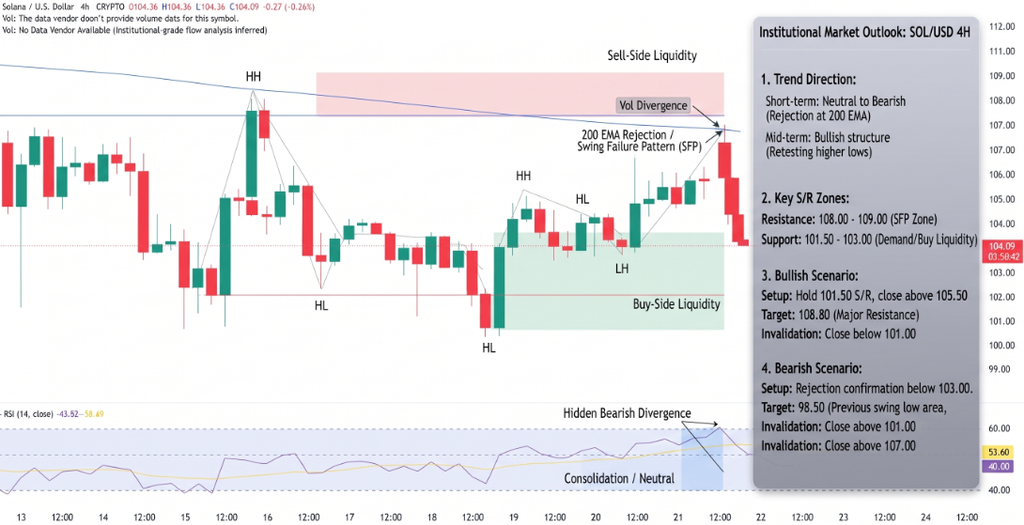
Solana Price Chart – Source: Tradingview
That distinction matters when comparing network activity before and after activation. Analysts should separate user-generated transactions from protocol-level voting activity to avoid mistaking a change in network architecture for a decline in demand.
The upgrade’s broader implications include:
- Merchants: Faster settlement confirmation for eligible payments.
- Exchanges: Potentially quicker deposit-crediting workflows.
- Developers: New finality behaviour that indexing and monitoring tools must accommodate.
Conclusion
Solana’s Alpenglow upgrade is a significant change to the network’s core infrastructure, targeting finality in roughly 150 milliseconds instead of 12.8 seconds. Faster settlement could improve payment experiences and trading responsiveness, but actual benefits will depend on sustained network performance and application integration. Users can continue using their existing wallets, while investors and analysts should assess measured finality and adjusted transaction statistics before judging the upgrade’s long-term impact.
Sources & Methodology
Primary-source standard: Market-moving facts should link to original data releases, regulator notices, company filings or official project announcements whenever available. Secondary reporting is used for additional context, not as a substitute for original evidence.
Page last reviewed: