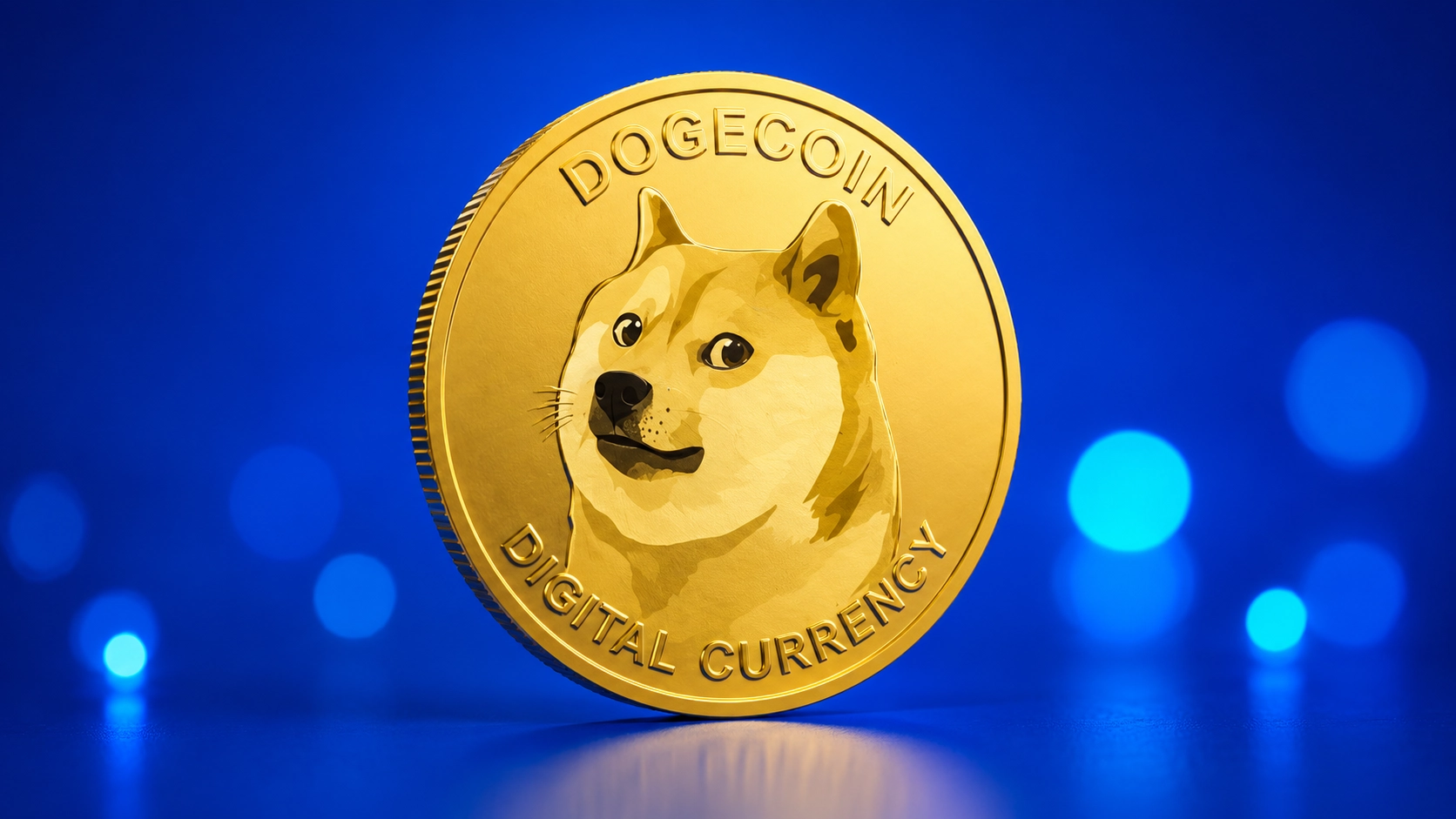
Dogecoin is taking steps to expand beyond its meme-coin origins as the teams behind the MyDoge wallet, DogeOS application network and Such App merchant tools join forces to establish Dogecoin Labs. Announced on October 21 in partnership with the Dogecoin Foundation, the new organization aims to make DOGE more useful for payments, applications and commerce. Jordan Jefferson, founder of MyDoge and DogeOS, will serve as chief executive. The initiative combines consumer access, application development and merchant payments, although several technical features remain unfinished.
Dogecoin Labs Connects 3 Core Products
Dogecoin Labs will bring three products under one organization, each addressing a different part of the ecosystem. MyDoge provides a wallet through which users can hold and manage DOGE, DogeOS supplies infrastructure for applications, and Such App enables businesses to accept cryptocurrency payments.
MyDoge says its user base has exceeded 500,000 without paid advertising. Its V3 update connects the wallet with applications being developed on DogeOS, creating a potential route for developers to reach existing Dogecoin holders. However, the company has not disclosed how many users are active or how many have tried the applications.
Such App’s beta already supports invoices and in-person QR-code payments, giving merchants a way to accept DOGE for goods and services. Its integration with DogeOS, however, remains in development.
The Dogecoin Foundation and House of Doge, its commercial arm, are contributing intellectual property and development teams. The Foundation will continue supporting open-source development and community initiatives, while Dogecoin Labs concentrates on commercial products and customer adoption.
DogeOS Testnet Advances, Security Remains
DogeOS opened its public testnet on September 30, allowing developers to experiment with Ethereum-compatible applications, including lending services, exchanges and games. Developers can use test DOGE in this environment without relying on the main Dogecoin network to execute every application function.
The distinction matters because Dogecoin’s base blockchain primarily handles transfers, while DogeOS is designed to support a broader range of application activity.
Several challenges remain before that vision can be fully realized. DogeOS’s public documentation still lists featured applications as coming soon, indicating that the ecosystem is not yet mature.
The proposed security connection between DogeOS and the Dogecoin blockchain is also unfinished. The plan would allow Dogecoin’s network to verify mathematical proofs that applications executed correctly. The rule change required to enable that functionality remains a draft. Until implementation, users must rely on designated operators and hardware to validate application activity, creating an additional trust consideration.
Can DOGE Become a Payment Currency?
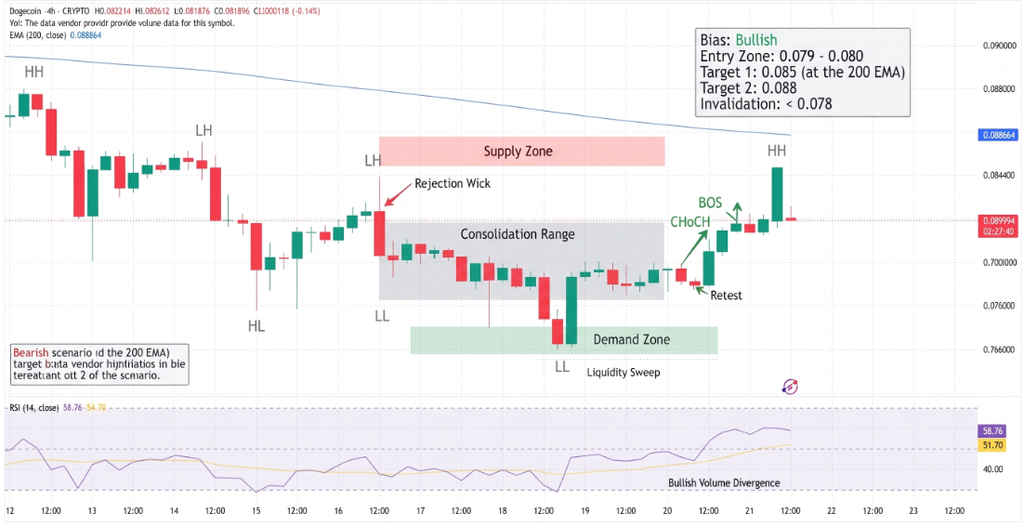
Dogecoin Labs faces the challenge of turning a large community into consistent users of practical products. Its strategy combines several elements that could reinforce one another:
- Wallet distribution: MyDoge connects users with emerging applications.
- Application development: DogeOS gives developers infrastructure for financial services, games and other products.
- Merchant adoption: Such App supports invoicing and QR-code payments.
- Ecosystem development: The Foundation and House of Doge contribute technical resources and intellectual property.
Dogecoin was launched in 2013 as a joke cryptocurrency featuring a Shiba Inu. Its longevity and recognizable brand offer an established starting point, but neither guarantees sustained payment demand.
Conclusion
Dogecoin Labs is attempting to connect wallets, applications and merchant payments into a more functional DOGE economy. MyDoge’s reported 500,000 users provide an initial distribution base, while Such App offers early payment tools. Wider adoption will depend on useful applications, reliable security and evidence that people regularly spend DOGE rather than simply hold or trade it.
Sources & Methodology
Primary-source standard: Market-moving facts should link to original data releases, regulator notices, company filings or official project announcements whenever available. Secondary reporting is used for additional context, not as a substitute for original evidence.
Page last reviewed: