Novartis AG shares dropped more than 3% on Monday after the Swiss drugmaker said its experimental heart drug pelacarsen failed to reduce the risk of major cardiovascular events in a large late-stage trial. The Lp(a)HORIZON study of more than 8,300 patients showed the drug successfully lowered lipoprotein(a) levels but did not cut heart attacks, strokes or related events, dealing a setback to Novartis’s cardiovascular pipeline and raising questions for rival Lp(a)-targeting therapies.
Novartis Pelacarsen Fails Lp(a)HORIZON Phase 3 Trial in 8,323 Patients Despite Strong Lp(a) Lowering
On 4 September 2026, Novartis announced that the Phase 3 Lp(a)HORIZON trial (NCT04023552) did not meet its primary endpoint. The randomised, double-blind, placebo-controlled study enrolled 8,323 patients with established cardiovascular disease and elevated lipoprotein(a) levels of at least 70 mg/dL. Patients received monthly subcutaneous pelacarsen 80 mg or placebo on top of guideline-directed therapy.
The primary composite endpoint—cardiovascular death, non-fatal myocardial infarction, non-fatal stroke, and urgent coronary revascularisation requiring hospitalisation—was not significantly reduced versus placebo in the overall population or the prespecified subgroup with Lp(a) ≥90 mg/dL. Pelacarsen did achieve substantial Lp(a) reductions, consistent with earlier Phase 2 data that showed mean reductions of 35–80% depending on dose.
Novartis chief medical officer Shreeram Aradhye said: “These are not the results we hoped for, but they provide important evidence that advances scientific understanding of the relationship between Lp(a) lowering and cardiovascular outcomes.” Full results will be presented at a future medical congress. The trial ran for more than six years across 797 sites in 42 countries.
Novartis Shares Drop 3.3% as Pelacarsen Failure Wipes Out $3–6bn Peak Sales Hopes
Investors had viewed pelacarsen as a potential multi-billion-dollar opportunity. Analysts previously modelled peak annual sales of $3–6 billion, with some consensus estimates around $1 billion by 2030. The failure removes a key growth driver from Novartis’s pipeline at a time when the company faces patent pressures on existing products.
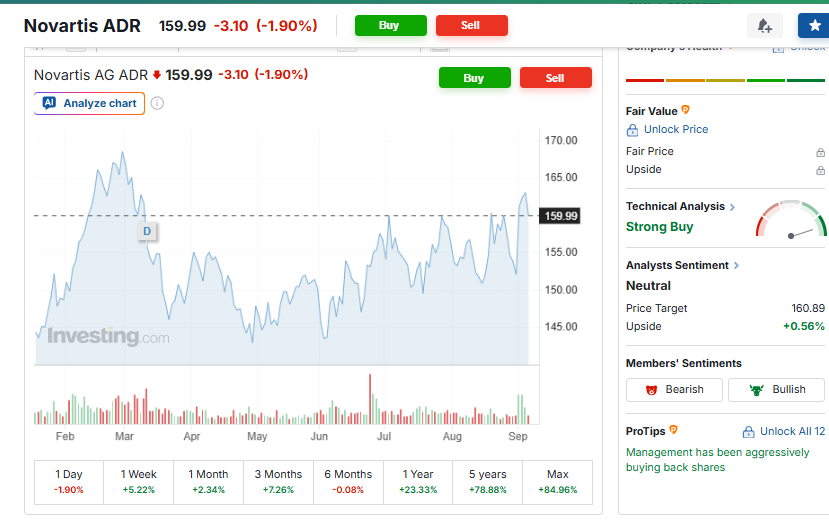
U.S.-listed Novartis shares fell about 5% in after-hours trading on Friday, while partner Ionis Pharmaceuticals dropped around 12%. On Monday morning, Novartis shares were down roughly 3.3% in European trading. Rival developers Amgen and Eli Lilly, which have their own late-stage Lp(a) programmes, also saw pressure as the result raised broader questions about the therapeutic class.
Lp(a) Affects 1 in 5 People Worldwide: First Major Outcomes Trial of Targeted Therapy Fails to Cut Events
Lipoprotein(a), or Lp(a), is an inherited cardiovascular risk factor that affects approximately one in five people worldwide. No targeted therapies are currently approved to lower it. Pelacarsen is an antisense oligonucleotide licensed from Ionis Pharmaceuticals that reduces production of apolipoprotein(a) in the liver.
Lp(a)HORIZON was the first large cardiovascular outcomes trial specifically designed to test whether pharmacological Lp(a) lowering reduces residual risk in patients already receiving optimised standard care, including lipid-lowering and antihypertensive therapies. The event-driven study was designed to accumulate 993 primary events, with a minimum follow-up of 2.5 years. Baseline characteristics included a mean age of about 60 years, with the majority of patients having a history of myocardial infarction.
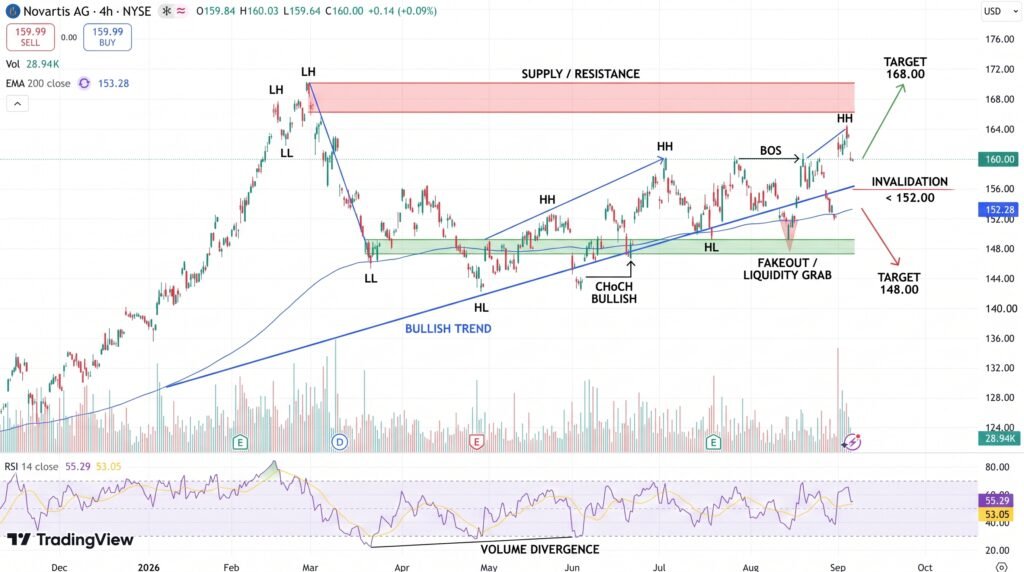
The negative result does not disprove a causal role for Lp(a) in atherosclerotic disease but indicates that the degree of lowering achieved with pelacarsen, or the trial population and design, did not translate into fewer clinical events.
Novartis Shifts Focus to Remibrutinib and $12bn Del-desiran as Full Pelacarsen Data Awaited
Novartis and Ionis will present the full Lp(a)HORIZON dataset at an upcoming medical meeting. The companies and independent researchers will examine whether deeper Lp(a) reductions, different patient subgroups, or longer follow-up might still yield benefit. The outcome increases scrutiny on ongoing late-stage trials of other Lp(a)-lowering agents from Amgen and Eli Lilly.
For Novartis, attention shifts to other pipeline assets, including the anti-inflammatory drug remibrutinib and the gene therapy del-desiran (acquired in a $12 billion deal). Management remains committed to cardiovascular innovation while assessing implications for the broader Lp(a) hypothesis.
Sources & Methodology
Primary-source standard: Market-moving facts should link to original data releases, regulator notices, company filings or official project announcements whenever available. Secondary reporting is used for additional context, not as a substitute for original evidence.
Page last reviewed: