
Ethereum’s staking landscape has undergone a sharp reversal, with validator exits collapsing and new deposits surging to multi-month highs. The shift is reducing potential selling pressure on Ether and reinforcing signs of growing confidence among large holders and institutional players.
Data from Beaconcha.in shows Ethereum’s validator exit queue has fallen to just 32 ETH, with a wait time of roughly one minute. That marks a 99.9% decline from its mid-September peak of 2.67 million ETH, and the first time the queue has hovered near zero since July. In parallel, the validator entry queue has climbed to 1.3 million ETH, its highest level since mid-November.
Exit Queue Collapse Eases Sell Pressure
The exit queue governs how quickly validators can fully leave Ethereum’s consensus system. When long, it can signal rising intent to unstake and potentially sell ETH. Its near disappearance now suggests the opposite.
Industry observers say the change reflects a decisive shift in market behavior. Rostyk, chief technology officer at Asymetrix and founder of ETHKyiv, described the queue as “basically empty,” adding that validators appear unwilling to sell staked Ether at current levels.
Supporting indicators include:
- Exit queue reduced from 2.67M ETH to 32 ETH
- Exit wait time cut to around one minute
- Ethereum exchange reserves at ten-year lows
Tevis, founder of the AlphaLedger trading app, said selling pressure is “drying up,” noting that new staking activity now far outpaces exits.
How Validator Queues Signal Market Intent
Ethereum’s validator exit queue is designed to prevent mass departures that could destabilize the network. Validators in the queue remain active, earning rewards but exposed to penalties, until their exit is processed.
This mechanism differs from the withdrawal queue, which allows validators to skim excess rewards without fully exiting. A zero exit queue means there is no backlog of validators seeking to leave, allowing any new requests to process immediately.
For investors, this typically indicates:
- Reduced urgency to liquidate staked ETH
- Fewer large-scale portfolio reallocations
- Stronger conviction in long-term network participation
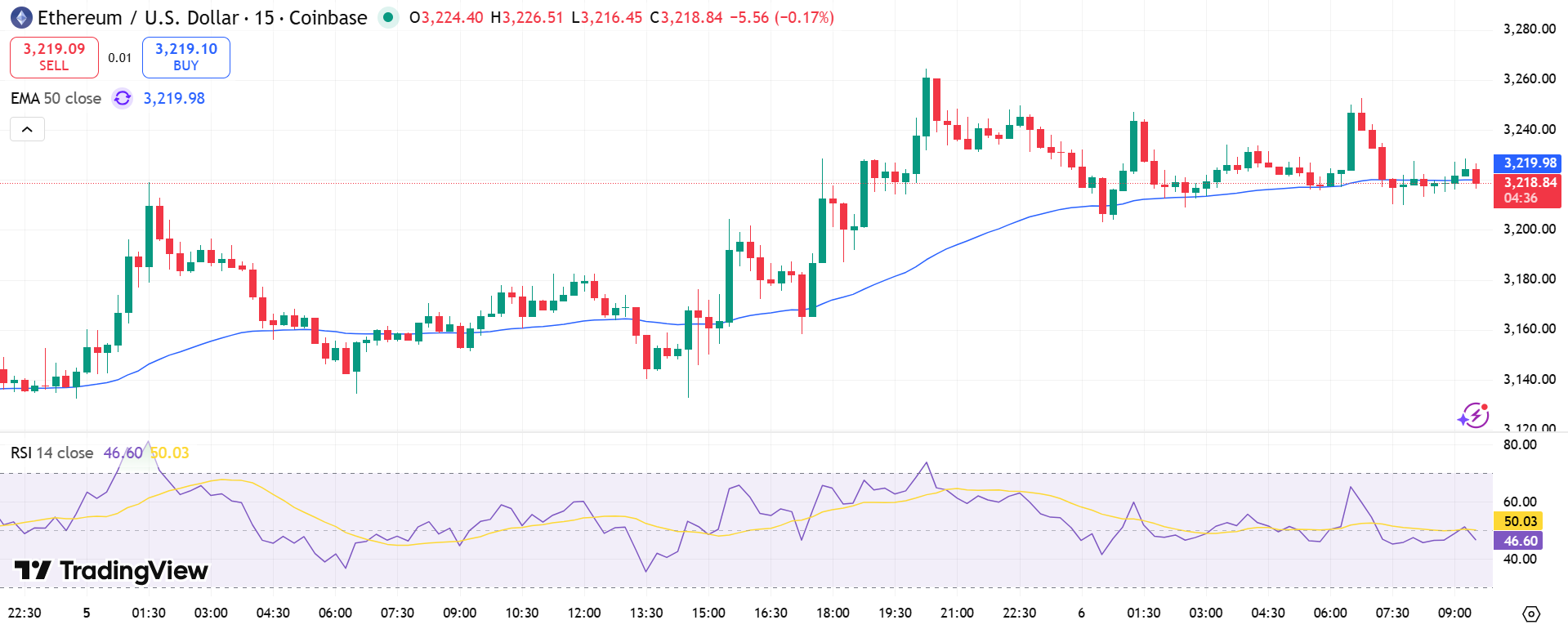
Observers had predicted such an outcome in December, as staking incentives improved and market sentiment stabilized.
BitMine Drives Institutional Staking Surge
A major driver behind the swelling entry queue is BitMine, the world’s largest Ether-focused digital asset treasury. The firm began staking ETH on Dec. 26 and accelerated its activity in early January, adding 82,560 ETH, worth about $260 million, to the queue on Jan. 3.
BitMine has now staked 659,219 ETH, valued at roughly $2.1 billion, and holds more than 4.1 million ETH overall—about 3.4% of Ethereum’s total supply, worth close to $13 billion at current prices.
The combination of collapsing exits and aggressive staking points to a tightening supply dynamic. With less ETH poised to re-enter circulation and more locked for yield, Ethereum’s staking shift is increasingly being viewed as a structural vote of confidence rather than a short-term trade.