

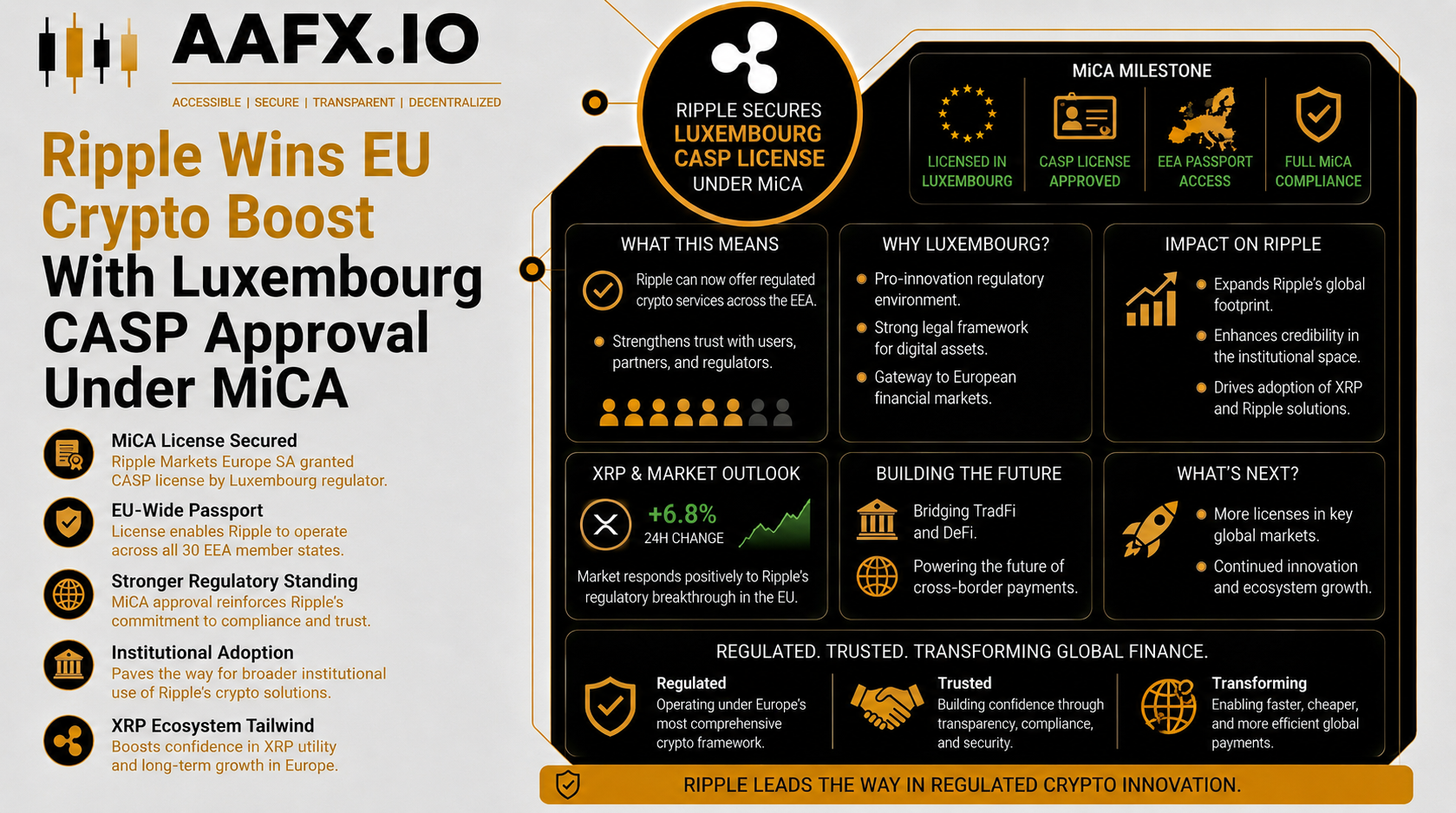
Ripple has secured preliminary approval as a Crypto Asset Service Provider (CASP) in Luxembourg, marking another significant step in its European expansion strategy. The development arrives as the European Union’s Markets in Crypto-Assets (MiCA) framework continues transforming the regulatory landscape for digital asset companies across the region.
The approval strengthens Ripple’s position in one of the world’s most structured crypto markets. Luxembourg has become an attractive jurisdiction for financial technology firms due to its regulatory clarity, sophisticated financial sector, and access to the broader European market.
For Ripple, the move represents more than a licensing milestone. It provides a foundation for expanding crypto payment services and digital asset infrastructure across EU member states operating under a unified regulatory framework.
As governments worldwide continue refining digital asset policies, regulatory approvals are increasingly becoming competitive advantages. Companies capable of meeting stringent compliance requirements are often better positioned to attract institutional clients and long-term capital.
MiCA Reshapes Crypto Competition
Europe’s MiCA regulations are creating a new operating environment for cryptocurrency firms. Rather than navigating different rules across multiple jurisdictions, companies can now pursue growth through a more harmonized regulatory structure.
This shift is particularly important because institutional investors increasingly favor platforms operating within clear legal frameworks.
Several factors make the Luxembourg approval strategically important:
- Access to a regulated European crypto market
- Enhanced credibility with institutional clients
- Greater compliance alignment under MiCA rules
- Support for cross-border digital asset services
- Stronger competitive positioning against rivals
The approval also reflects a broader trend unfolding across the digital asset sector. Financial institutions, payment providers, and blockchain companies are investing heavily in regulatory infrastructure as crypto adoption moves closer to mainstream finance.
Market participants are increasingly evaluating projects based not only on technology but also on their ability to operate within evolving legal frameworks.
What It Means for XRP
While the approval directly benefits Ripple’s business operations, traders remain focused on whether the development will influence XRP sentiment. Regulatory progress does not automatically translate into immediate demand for XRP, but it can strengthen confidence in Ripple’s long-term business model.
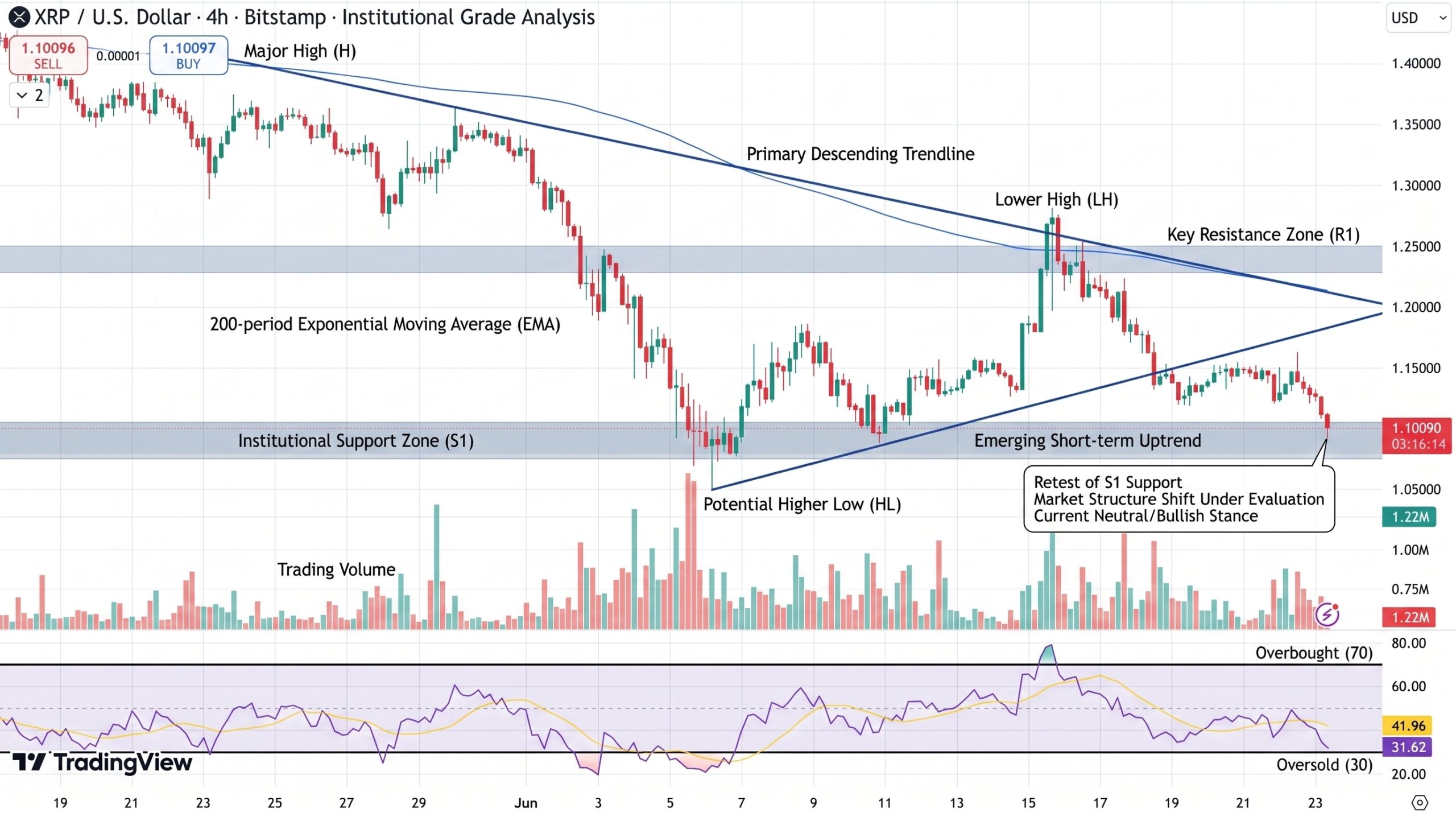
Ripple has spent years building relationships across the payments industry, positioning itself as a provider of blockchain-based financial infrastructure. Regulatory approvals in major jurisdictions help reinforce that narrative.
Key areas investors are monitoring include:
- Future European payment partnerships
- Institutional adoption of Ripple services
- Expansion of regulated crypto infrastructure
- Broader demand for blockchain-based settlements
- Potential impact on XRP ecosystem activity
The larger story extends beyond a single company. Crypto markets are becoming increasingly shaped by regulation, compliance standards, and institutional participation. Capital is flowing toward platforms that can demonstrate transparency, operational resilience, and regulatory readiness.
Ripple’s Luxembourg approval highlights that transition. As Europe emerges as one of the most clearly regulated digital asset markets, firms securing licenses under MiCA may gain a meaningful advantage in attracting users, partners, and institutional capital.
For investors, the development serves as another signal that the next phase of crypto growth may be driven less by speculation and more by regulated infrastructure, financial integration, and institutional adoption. Ripple’s latest regulatory achievement places the company firmly within that evolving market narrative.
