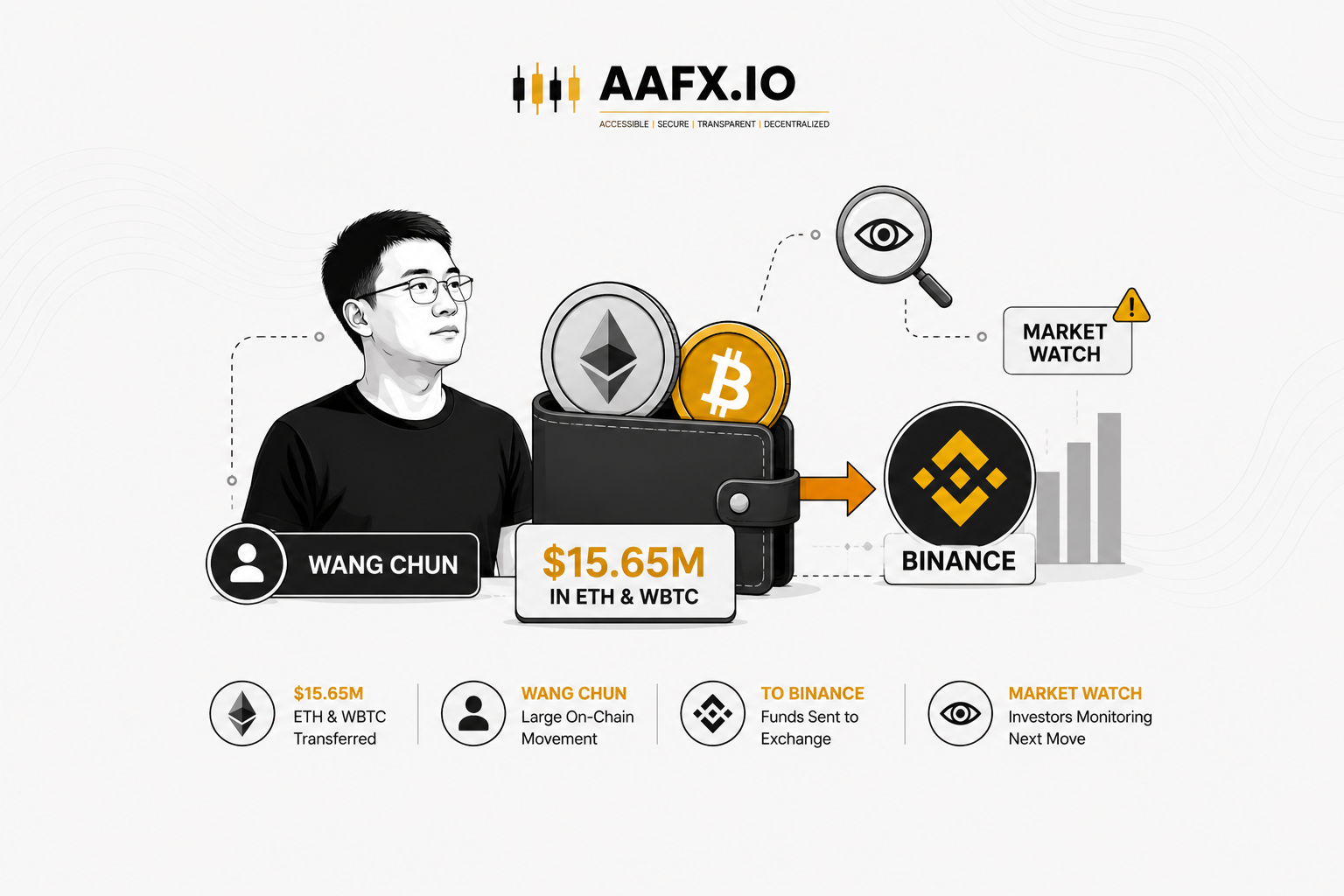
Wang Chun transferred $15.65 million in ETH and WBTC to Binance, drawing trader attention as analysts monitor whale activity and exchange inflows.
Wang Chun’s $15.65M Transfer
A cryptocurrency wallet linked to Wang Chun has transferred $15.65 million worth of Ethereum (ETH) and Wrapped Bitcoin (WBTC) to Binance, attracting close attention from traders and blockchain analysts. The transaction was highlighted by on-chain analytics platform Lookonchain, which monitors large wallet movements that could influence market sentiment.
The transfer included both ETH and WBTC in a single transaction directed to Binance, one of the world’s largest cryptocurrency exchanges. Although the movement immediately sparked speculation across the crypto community, blockchain data only confirms that the assets arrived at the exchange. It does not indicate whether they have been sold or are simply being repositioned for future trading, custody, or portfolio management.
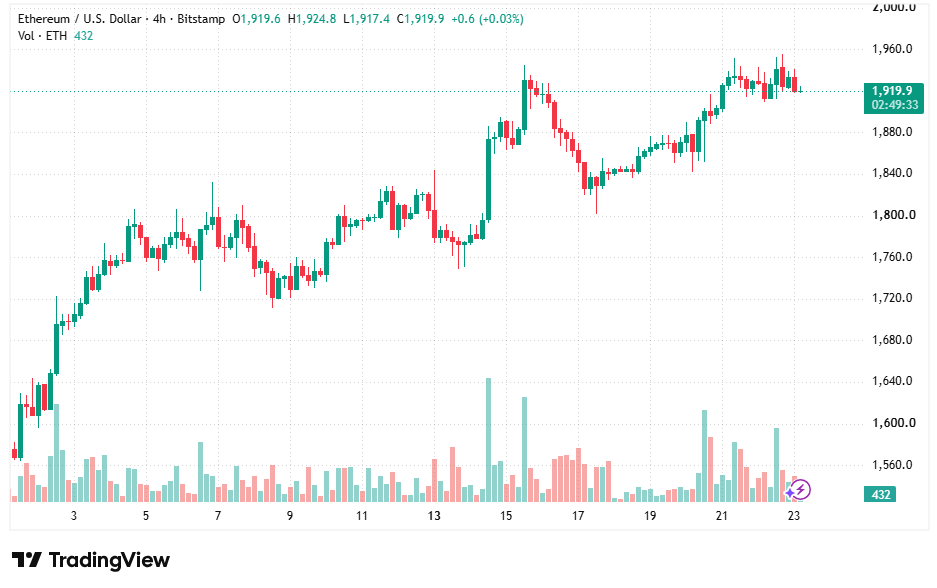
Large transfers involving high-profile wallet holders often receive significant attention because they can provide early insight into possible shifts in market positioning. However, experienced investors understand that exchange deposits represent only one piece of a much broader market picture.
Why Binance Inflows Matter
Exchange inflows remain one of the most closely monitored indicators in cryptocurrency markets. When substantial amounts of digital assets move onto centralized exchanges, analysts frequently assess whether the transfers could precede increased selling activity.
ETH and WBTC are among the most liquid cryptocurrencies in the market, allowing institutional and high-net-worth investors to execute sizeable trades efficiently. Because of their deep liquidity, movements involving these assets are quickly detected by blockchain tracking services and widely shared throughout the crypto industry.
Despite the attention generated by this latest transaction, investors should avoid assuming an immediate sale has occurred. Assets deposited onto Binance may be used for various purposes beyond liquidation.
Key reasons traders monitor exchange deposits include:
- Large inflows may indicate potential selling pressure.
- Whale transactions can influence short-term market sentiment.
- Exchange transfers improve liquidity for large trades.
- On-chain tracking helps investors monitor institutional activity.
These indicators become more meaningful when combined with additional market data such as trading volume, exchange reserves, funding rates, and broader macroeconomic developments.
Wang Chun’s Wallet History
The latest deposit is particularly notable because it involves a wallet associated with Wang Chun, the co-founder of mining pool F2Pool. Unlike anonymous whale wallets, transactions connected to recognized industry figures often receive greater scrutiny due to their potential influence on investor sentiment.
Blockchain trackers have previously recorded several major transactions involving the same wallet cluster. Earlier reports documented withdrawals totaling 91,000 ETH and 973 WBTC from Binance, along with another transaction involving 54,500 ETH leaving the exchange. The newest $15.65 million deposit represents a reversal of those earlier outflows, moving assets back onto Binance instead.
While the transaction has generated renewed discussion among traders, no evidence currently confirms that Wang Chun has sold any portion of the transferred assets. The blockchain simply records that the funds reached Binance.
As cryptocurrency markets continue to mature, monitoring whale movements remains an important part of market analysis. Nevertheless, investors should evaluate exchange inflows alongside technical indicators, liquidity conditions, and broader market fundamentals before drawing conclusions about future price direction.
Sources & Methodology
Primary-source standard: Market-moving facts should link to original data releases, regulator notices, company filings or official project announcements whenever available. Secondary reporting is used for additional context, not as a substitute for original evidence.
Page last reviewed: