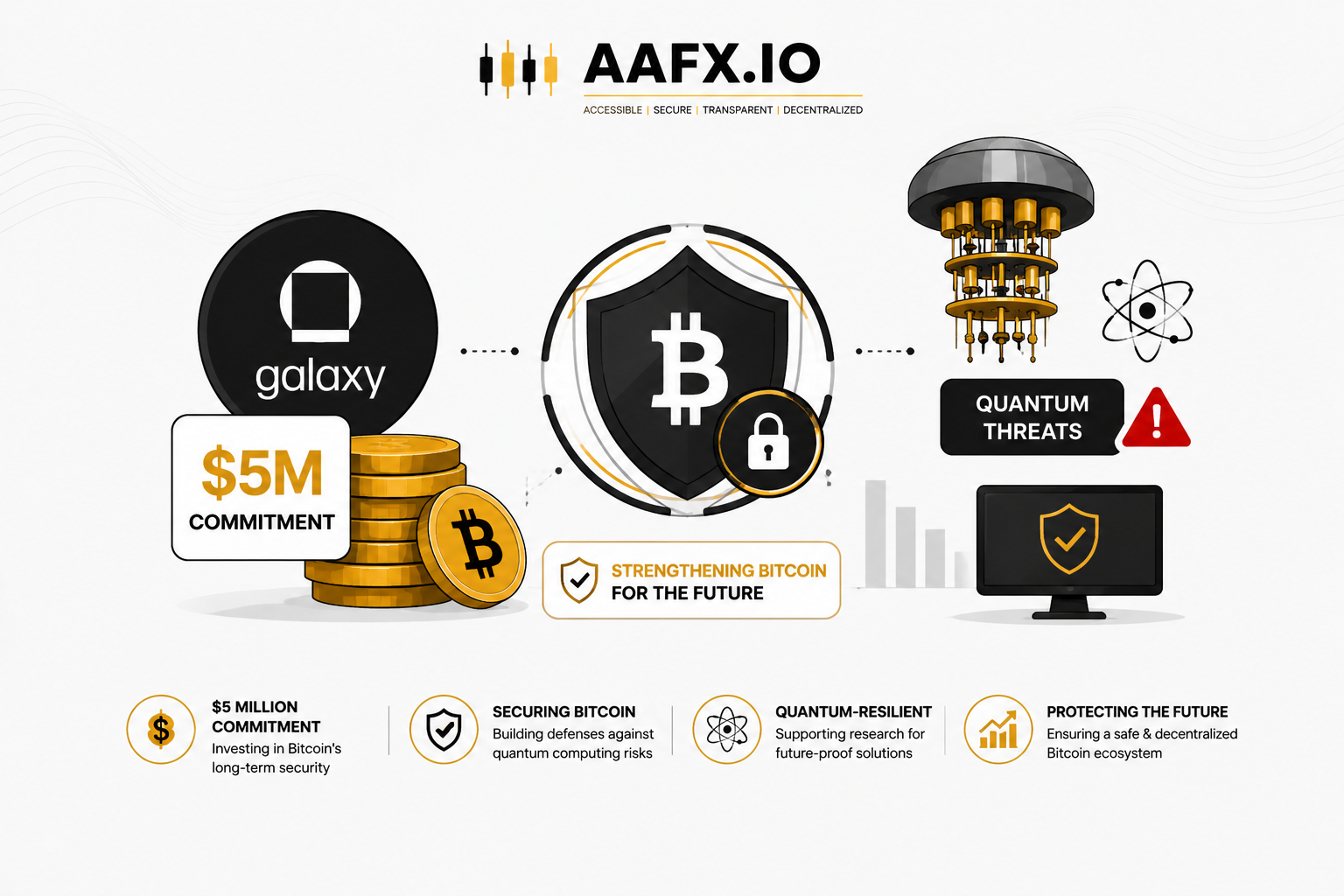
Galaxy commits up to $5 million to strengthen Bitcoin against quantum computing risks, funding post-quantum security research and future-ready infrastructure.
Galaxy Launches $5M Quantum Initiative
Galaxy has unveiled a $5 million Bitcoin Quantum Readiness Initiative, marking one of the cryptocurrency industry’s largest investments in preparing Bitcoin for the long-term challenges posed by quantum computing. Rather than responding to an immediate cybersecurity crisis, the digital asset firm is taking a proactive approach by supporting technologies that could protect the world’s largest cryptocurrency before quantum computers become capable of threatening existing encryption methods.
The initiative combines developer funding, academic collaboration, and independent technical oversight to accelerate the development of post-quantum cryptographic solutions. Galaxy’s strategy reflects a broader shift across the blockchain industry, where institutions are increasingly treating quantum resilience as a strategic engineering priority rather than a distant theoretical concern.
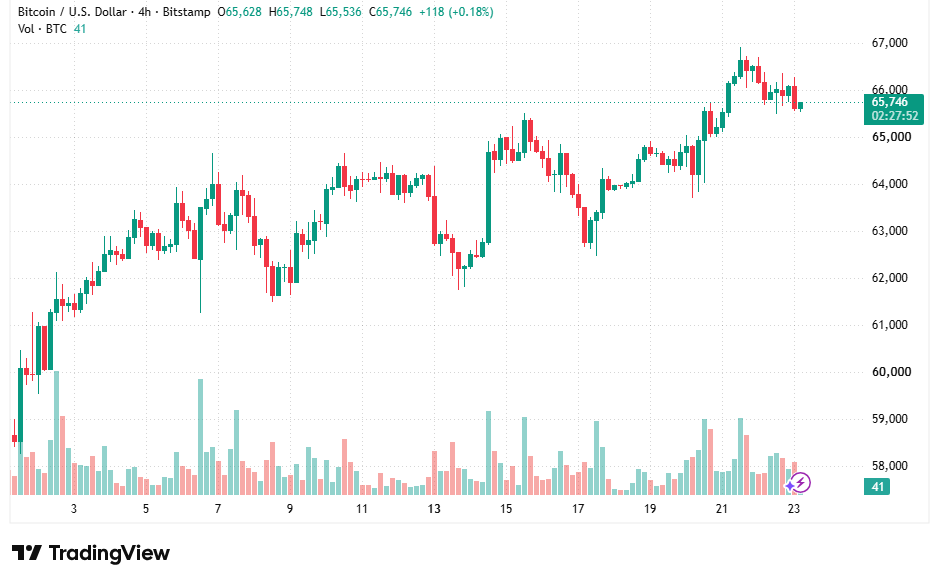
Bitcoin currently relies on elliptic curve cryptography (ECC) to secure wallets and validate transactions. While ECC remains highly secure against today’s conventional computers, experts believe sufficiently advanced quantum computers could eventually solve mathematical problems that underpin this security model. Although such machines do not yet exist, the timeline required to upgrade decentralized networks means preparation must begin years in advance.
Preparing Bitcoin for Tomorrow
Galaxy’s program will distribute milestone-based grants to developers, researchers, and security experts working on technologies designed to improve Bitcoin’s long-term resilience. Projects will be evaluated by a newly established Quantum Advisory Council, composed of specialists in quantum computing and cryptography.
The initiative will focus on several critical areas:
- Post-quantum digital signature algorithms.
- Wallet and custodian migration solutions.
- Independent security audits.
- Bitcoin transaction proposals designed for quantum resistance.
- Public research for developers, regulators, and institutional investors.
Galaxy also plans to publish ongoing research to help policymakers and financial institutions understand Bitcoin’s readiness for future computing advances. Because Bitcoin upgrades require broad community consensus and extensive testing, early planning significantly reduces the risk of rushed protocol changes later.
Industry Moves Toward Quantum Security
Galaxy’s announcement follows a growing industry-wide effort to prepare blockchain infrastructure for the next generation of computing. Earlier this year, Coinbase introduced its own quantum computing advisory council, while Strategy expanded its Bitcoin security program to include future quantum resilience research.
Meanwhile, Bitcoin developers continue discussing proposals such as BIP-360 and BIP-361, which explore methods for introducing quantum-resistant cryptography into the network. Outside the cryptocurrency sector, governments have also accelerated preparations. The U.S. National Institute of Standards and Technology (NIST) finalized its first post-quantum cryptography standards in 2024, providing a framework for organizations transitioning away from vulnerable encryption methods.
Although practical quantum attacks remain years away, experts widely agree that migrating global digital infrastructure will require extensive planning. Bitcoin’s decentralized governance makes rapid protocol changes difficult, reinforcing the importance of acting early.
Galaxy’s $5 million commitment signals that institutional investors increasingly view quantum preparedness as a core component of long-term blockchain security. By funding research today, the company aims to shorten the transition period required for future network upgrades and strengthen confidence in Bitcoin’s resilience as computing technology continues to evolve.
Sources & Methodology
Primary-source standard: Market-moving facts should link to original data releases, regulator notices, company filings or official project announcements whenever available. Secondary reporting is used for additional context, not as a substitute for original evidence.
Page last reviewed: