
Solana developers are working on two changes to the network’s Agave validator software that could reduce wasted computing power and improve transaction processing efficiency. The proposals would allow validators to stop replaying blocks that have already lost consensus and prevent parts of the replay process from waiting unnecessarily for transaction scheduling to finish. Both changes remain under development, with no confirmed release date or published estimate of potential performance gains.
Agave proposal targets wasted processing
A draft submitted on November 23 by developer Philippe Laferrière proposes a mechanism that lets validators cancel the processing of a competing block once another version has been finalized.
Solana validators are computers responsible for processing transactions, maintaining the ledger and helping the network agree on which blocks become part of its permanent record. Occasionally, two competing versions of a block can appear for the same slot. Validators may begin executing transactions in one version before the network establishes which candidate will prevail.
That work can involve checking thousands of transactions and updating account balances. If the competing block is finalized instead, the calculations performed on the losing version provide no benefit to the network.
The proposed change, outlined in Agave pull request #17044, would instruct the replay process to abandon the losing block once a competing version receives the required finalization certificate. Validators could then redirect computing resources toward the block that remains eligible for inclusion.
The proposal is marked as a draft. Laferrière described it as an alternative to an earlier design, pull request #16454, which included additional logic to pause and later resume processing if circumstances changed.
Two changes address validator delays
The cancellation mechanism depends on another software improvement designed to keep the replay thread from blocking while it waits for the transaction scheduler.
A separate pull request #17065, submitted on November 24, addresses delays at points where replay previously waited for scheduled transactions to finish. The developer said the change removes blocking behavior from two of those operations, although one completion-related wait can still occur when a block is aborted.
The two proposals focus on different parts of validator execution:
- Block cancellation: Stops replaying a competing block after another version is finalized.
- Non-blocking replay: Reduces delays caused by waiting for the transaction scheduler.
Together, the changes aim to make validators spend less time on work that cannot contribute to the finalized ledger.
Alpenglow raises the efficiency stakes
The proposals follow Solana’s activation of Alpenglow on October 21, 2026. The consensus upgrade replaced TowerBFT with a new protocol designed to reduce transaction finality to approximately 150 milliseconds, compared with the previous target of about 12.8 seconds.
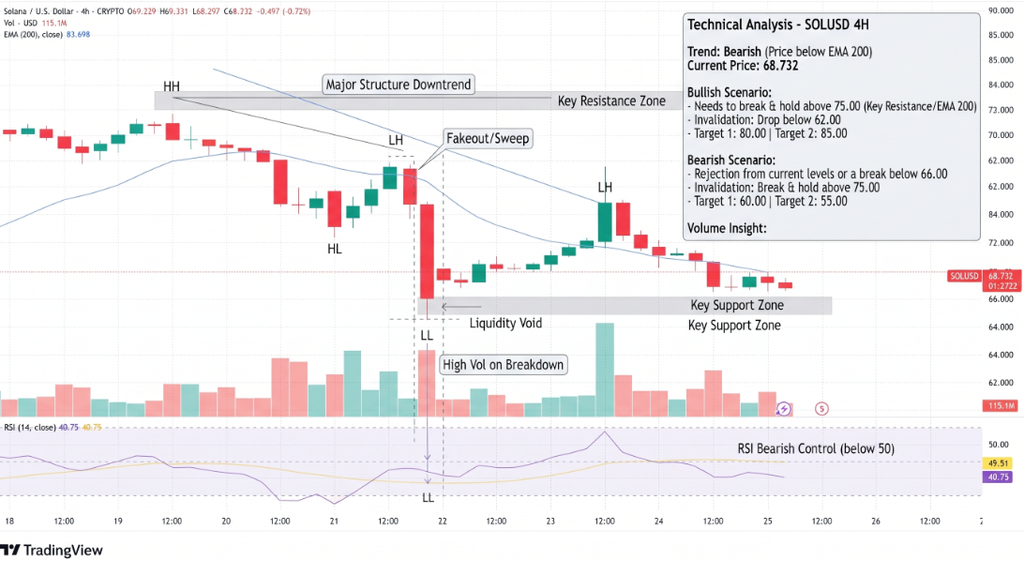
Faster consensus helps validators agree on the winning block sooner, but it does not eliminate the computing required to execute transactions and verify their results. The new proposals address that separate workload by limiting unnecessary processing after consensus decisions have been made.
Anza has not disclosed how frequently validators replay losing blocks or how much computing capacity the changes could recover. Neither proposal has a confirmed deployment schedule.
Conclusion
Solana’s latest Agave development work targets a practical source of inefficiency: validators spending resources on blocks that will not become part of the ledger. If implemented successfully, the changes could complement Alpenglow by improving how efficiently validators execute network activity after consensus. Their actual impact will depend on testing, code review and eventual deployment.
Sources & Methodology
Primary-source standard: Market-moving facts should link to original data releases, regulator notices, company filings or official project announcements whenever available. Secondary reporting is used for additional context, not as a substitute for original evidence.
Page last reviewed: