

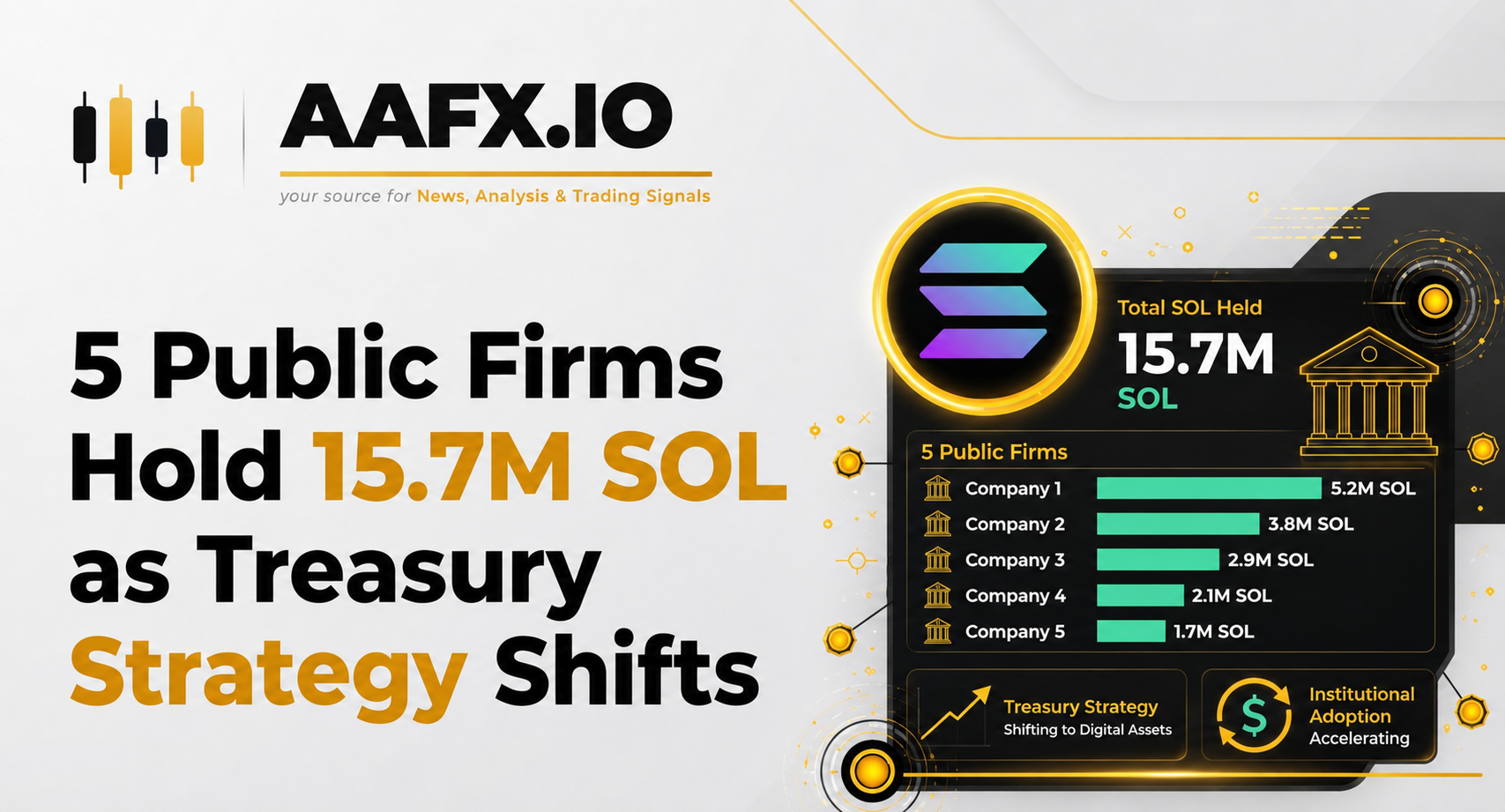
For about two years, companies followed a straightforward crypto strategy: buy Bitcoin, hold onto it, and discuss it openly. MicroStrategy started this trend, and many others copied the approach. While this worked well for the first adopters, the market soon caught on. As a result, many of these companies began trading like leveraged Bitcoin stand-ins, with little added value from their core businesses.
Now, a new trend is forming around Solana. Public companies are building up SOL reserves, which work differently from Bitcoin holdings. This is partly because Solana can be used in ways that Bitcoin cannot. In June, KuCoin News reported that the top five public SOL holders together controlled over 15.7 million tokens. This shows that holding SOL is becoming a serious balance-sheet strategy, not just a short-lived fad.
What Makes Solana Treasuries Different
SOL holdings are different from Bitcoin because they can earn ongoing returns and help run business operations. Companies can stake their tokens with validators to earn rewards, or use SOL in products like loyalty programs with on-chain payments, NFT memberships, microtransactions, or decentralized networks. The real test of a strategic treasury is whether SOL actually lowers costs or brings in more customers for the business.
That functionality comes with added complexity, though:
- Choosing a validator affects performance, fees, and the risk of penalties.
- UnUnstaking SOL follows set schedules, so getting liquidity takes days instead of minutes.Custody arrangements can slow movement between staking, cold storage, and trading venues
- When companies use SOL for customer incentives, their treasury decisions become closely linked to marketing cycles.
Forward Industries Leads the SOL Roll-Up Trend
Forward Industries is now the largest public holder of SOL. In a July 1 update, the company said it bought over 500,000 SOL during its fiscal third quarter at an average price of about $79. This brought its total holdings to 7.55 million SOL as of June 30, 2026, according to a company press release.
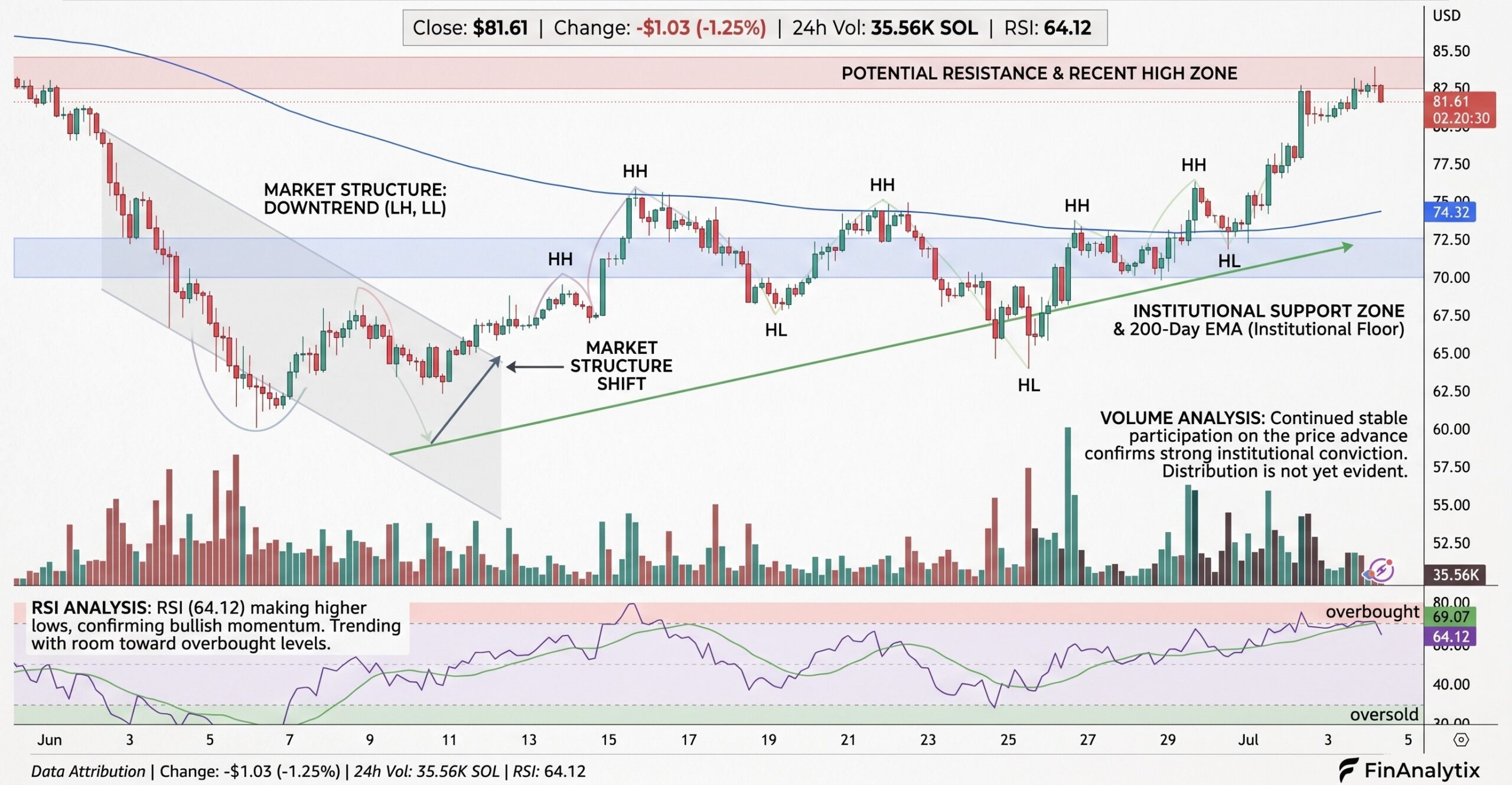
Reports from mid-June already named Forward as the sector leader, with about 7 million SOL bought for nearly $1.6 billion. However, not every company has agreed to merge. Cointelegraph reported that HSDT’s board turned down a roll-up offer on June 12, and Brera’s board rejected a similar proposal on June 9.
On-chain data gives more insight into the situation. According to LookOnChain, an analytics account noticed a transfer of 455,784 SOL, worth about $31.9 million at the time, from a Forward-linked wallet to Coinbase Prime on June 5. This shows that treasury strategies play out on two timelines: the long-term story in corporate filings and the immediate risks seen on-chain in real time.
