

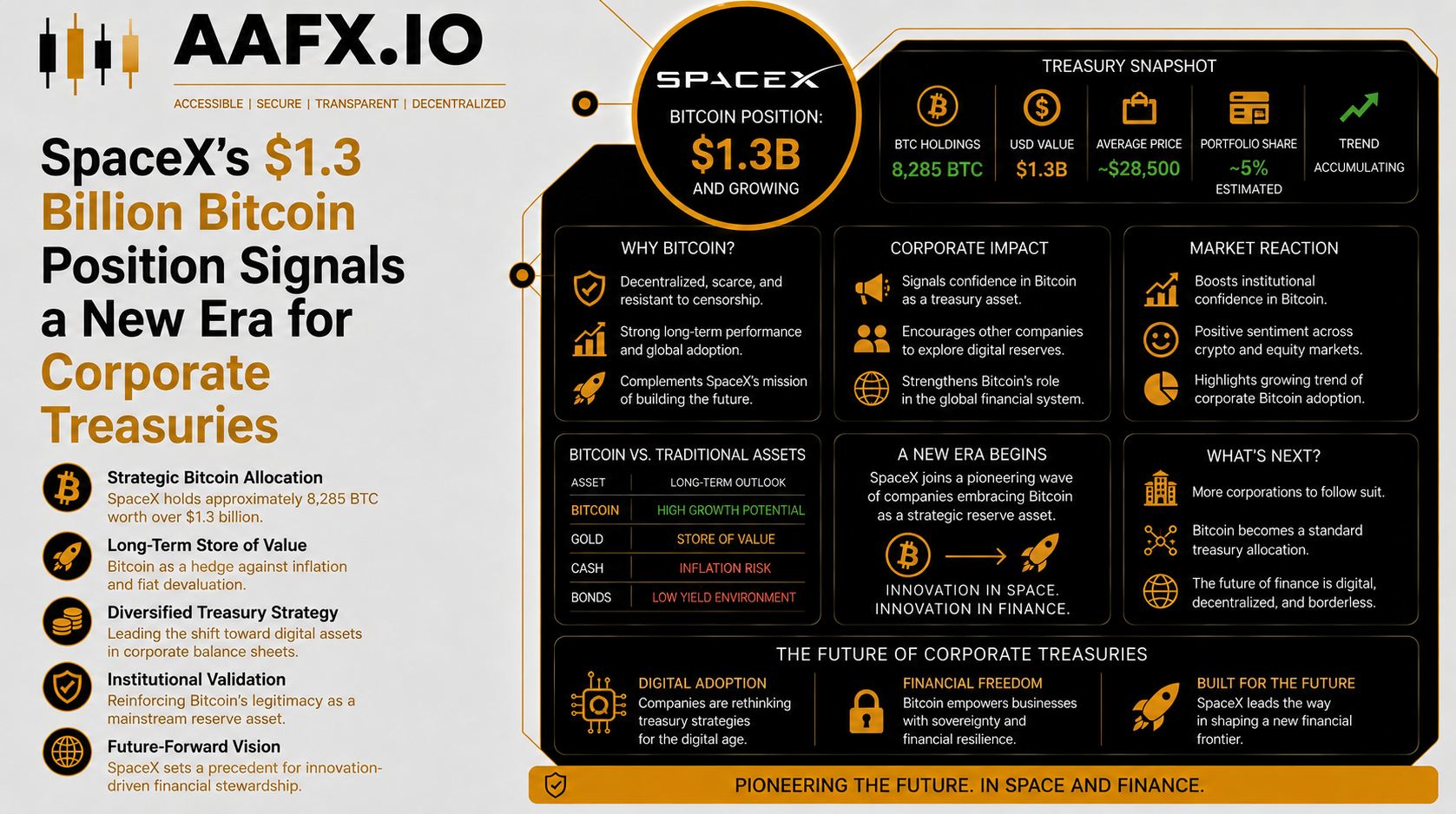
SpaceX has revealed a Bitcoin position worth approximately $1.29 billion, adding a significant cryptocurrency component to the balance sheet of one of the world’s most valuable technology companies.
The disclosure arrived shortly after the company completed a record-setting $75 billion initial public offering, offering investors a rare glimpse into how major corporations are increasingly integrating digital assets into long-term financial strategies.
According to post-IPO filings, SpaceX owns 18,712 Bitcoin acquired at an estimated cost of roughly $661 million. Based on valuations recorded on March 31, 2026, the holdings had nearly doubled in value, highlighting the substantial appreciation that has attracted corporations to Bitcoin over the past several years.
The announcement places SpaceX among the largest publicly disclosed corporate Bitcoin holders and underscores the growing convergence of traditional finance, emerging technologies, and digital assets.
Historic IPO Fuels Expansion Plans
SpaceX’s public debut generated $75 billion in proceeds, making it the largest IPO ever recorded in global financial markets. The transaction surpassed the previous benchmark established by Saudi Aramco and briefly pushed SpaceX’s market valuation beyond $2 trillion.
Following the successful listing, the company announced plans to raise an additional $20 billion through investment-grade bond offerings. Management stated that the proceeds will primarily support refinancing activities and accelerate investments in artificial intelligence infrastructure.
The capital deployment strategy reflects the company’s transformation into a diversified enterprise spanning aerospace, satellite communications, artificial intelligence, and advanced computing.
Key financial highlights include:
- $75 billion raised through the IPO.
- 18,712 Bitcoin held on the balance sheet.
- Approximately $1.29 billion Bitcoin valuation.
- $20 billion planned investment-grade bond issuance.
- Market valuation exceeding $2 trillion after listing.
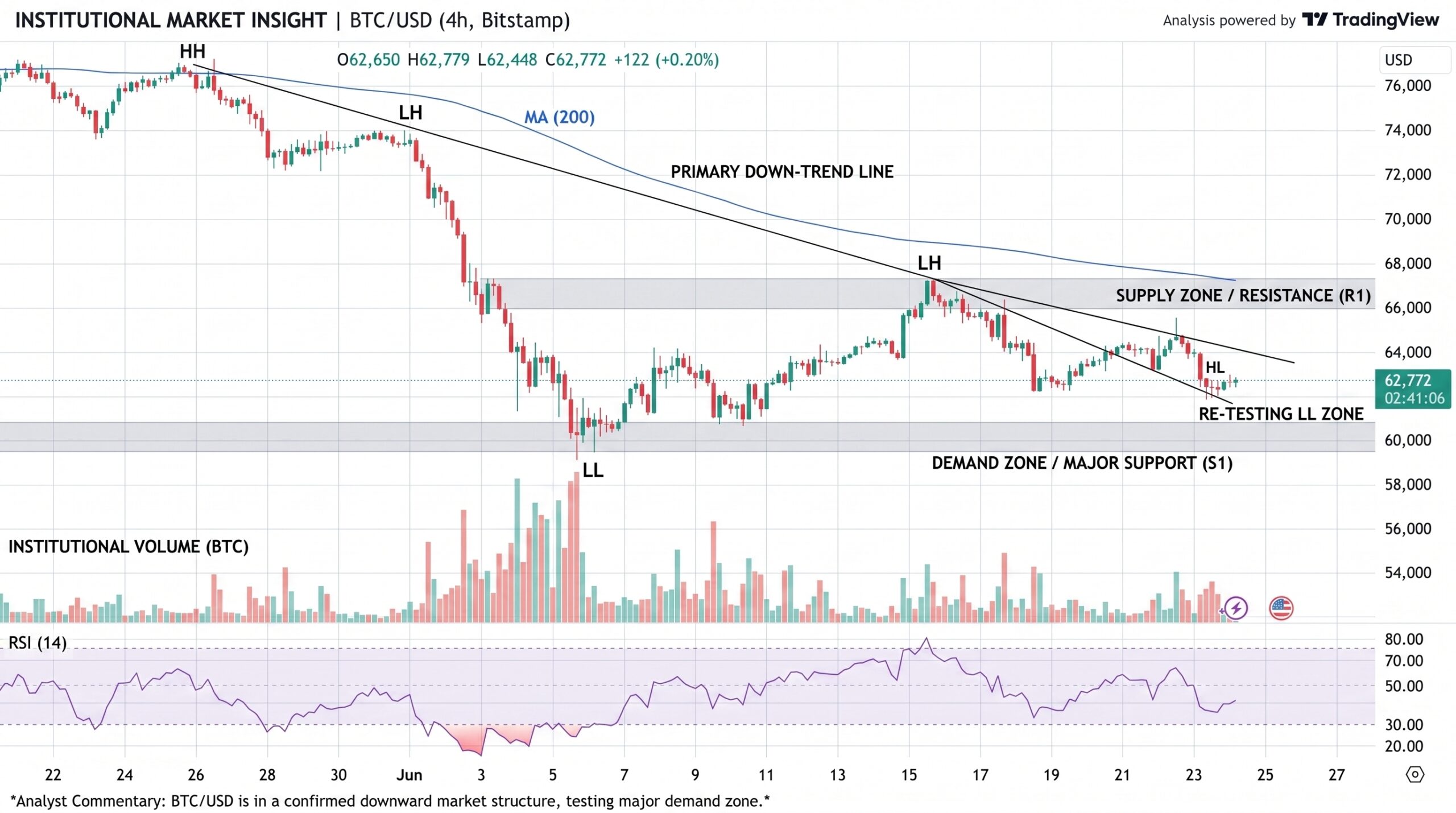
These figures demonstrate the scale of SpaceX’s financial ambitions and its willingness to combine traditional capital markets with exposure to emerging asset classes.
Bitcoin Joins the Corporate Playbook
Corporate adoption of Bitcoin has steadily increased since the early 2020s. Companies initially viewed the cryptocurrency as a hedge against inflation and currency debasement, while others embraced it as a long-term strategic reserve asset.
SpaceX’s disclosure represents one of the most prominent examples of this trend. Unlike smaller firms, SpaceX operates at the intersection of multiple high-growth industries, making its treasury decisions particularly influential among institutional investors.
The move also highlights growing confidence in regulated digital asset markets, supported by the expansion of exchange-traded funds, custody services, and institutional-grade investment products.
Balancing AI, Aerospace, and Crypto Risk
Despite the positive market reaction, SpaceX’s strategy introduces a unique combination of risks. Investors now face exposure to three major variables: aerospace execution, artificial intelligence expansion, and Bitcoin price volatility.
However, the company’s ability to secure investment-grade financing suggests that lenders remain comfortable with its balance-sheet structure. Bond investors typically apply stricter risk assessments than equity markets, making their participation a notable signal of confidence.
Several factors support investor optimism:
- Strong operational cash generation.
- Leadership positions in multiple technology sectors.
- Growing institutional acceptance of Bitcoin.
- Expanding demand for AI infrastructure.
The disclosure has intensified discussions across financial markets because it demonstrates how corporate treasury management is evolving. As digital assets become more integrated into mainstream finance, SpaceX’s Bitcoin position may be remembered as another milestone in the institutional adoption of cryptocurrency.
For investors, the message is clear: Bitcoin is increasingly moving from the fringes of finance into the core strategies of some of the world’s largest corporations.
