

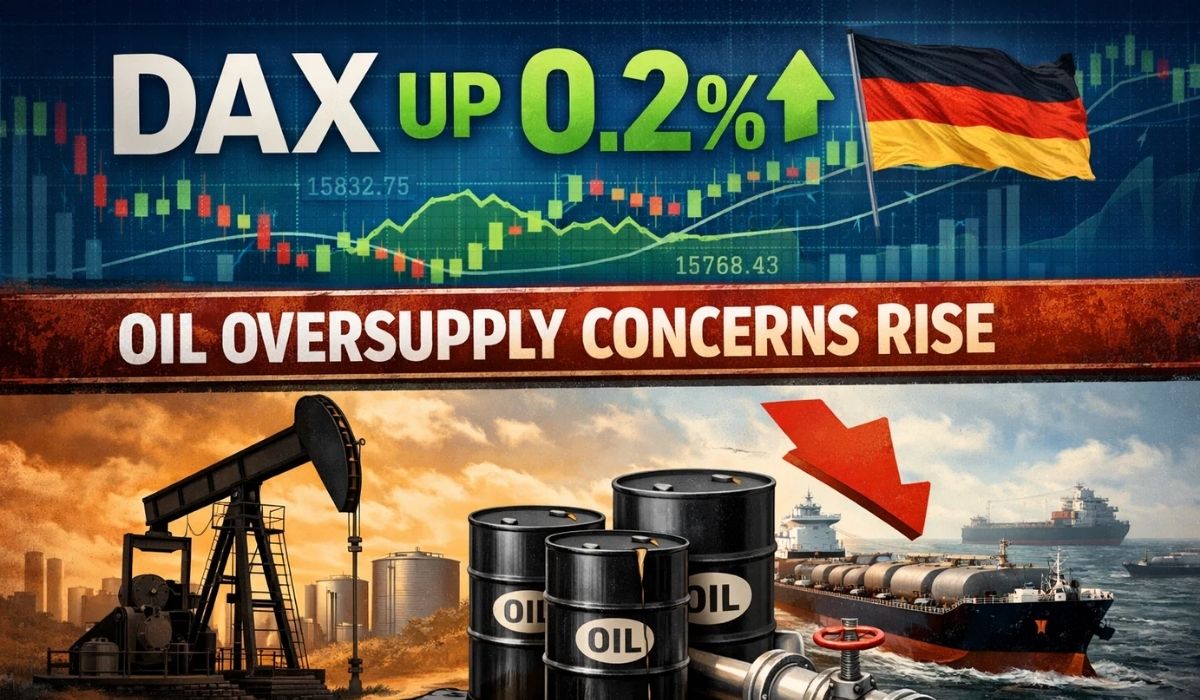
European stock markets moved in different directions Friday as investors reacted to a sharp drop in U.S. technology shares and waited for key growth data. Germany’s DAX rose 0.2%, and Britain’s FTSE 100 gained 0.4%. France’s CAC 40 slipped 0.3% at 03:05 ET (08:05 GMT).
The mood turned cautious after the NASDAQ Composite fell more than 2% on Thursday. Investors grew nervous that artificial intelligence (AI) stocks may have risen too far, too fast. When U.S. tech stocks fall, markets in Asia and Europe often feel the impact the next day.
Even with Friday’s mixed trading, Europe’s main indexes are still on track for weekly gains of between 0.3% and 0.8%, helped by strong corporate earnings earlier in the week.
Earnings Show Strength in Key Firms
Several major European companies reported results that beat expectations, giving investors clearer signals about the economy.
Britain’s NatWest Group posted a 24% jump in annual profit, slightly above forecasts. The bank also announced more ambitious targets as it expands into Britain’s competitive wealth management market.
Norway’s Norsk Hydro reported stronger-than-expected fourth-quarter earnings, helped by rising aluminum prices despite weakness in other parts of its business.
France’s Capgemini beat its full-year revenue target, driven by faster fourth-quarter growth and demand for AI-powered services, including its recently acquired WNS unit.
Aerospace supplier Safran forecast higher revenue and earnings for 2026 after boosting profitability last year thanks to strong demand for civil jet engine maintenance.
Key earnings highlights:
- NatWest profit up 24%
- Capgemini full-year revenue above target
- Safran expects revenue and earnings growth in 2026
- Norsk Hydro beats Q4 forecasts
Growth, Inflation and Oil in Focus
Economic data is now front and center. German wholesale prices rose 1.2% year-on-year in January. Investors are awaiting Eurozone fourth-quarter GDP figures, expected to show 0.3% quarterly growth and 1.3% annual growth.
Attention is also on U.S. inflation data. Core inflation for January is forecast to rise 0.3% month-on-month, which would slow the annual rate to 2.5% from 2.7%. A higher-than-expected number could reduce hopes for a U.S. rate cut in June.
Oil markets are also under pressure. Brent crude rose 0.1% to $67.53 per barrel, while U.S. West Texas Intermediate slipped 0.1% to $62.83. Both fell nearly 3% in the previous session and are heading for about 1% weekly losses.
The International Energy Agency warned that the global oil market could face a surplus of just over 3.7 million barrels per day in 2026. It also said stockpiles expanded last year at one of the fastest rates since the pandemic.
Meanwhile, U.S. President Donald Trump said nuclear talks with Iran could last up to a month, easing immediate fears of supply disruptions in the Middle East.
In simple terms: strong earnings support stocks, but growth data, inflation, and rising oil supply are keeping investors cautious.

