

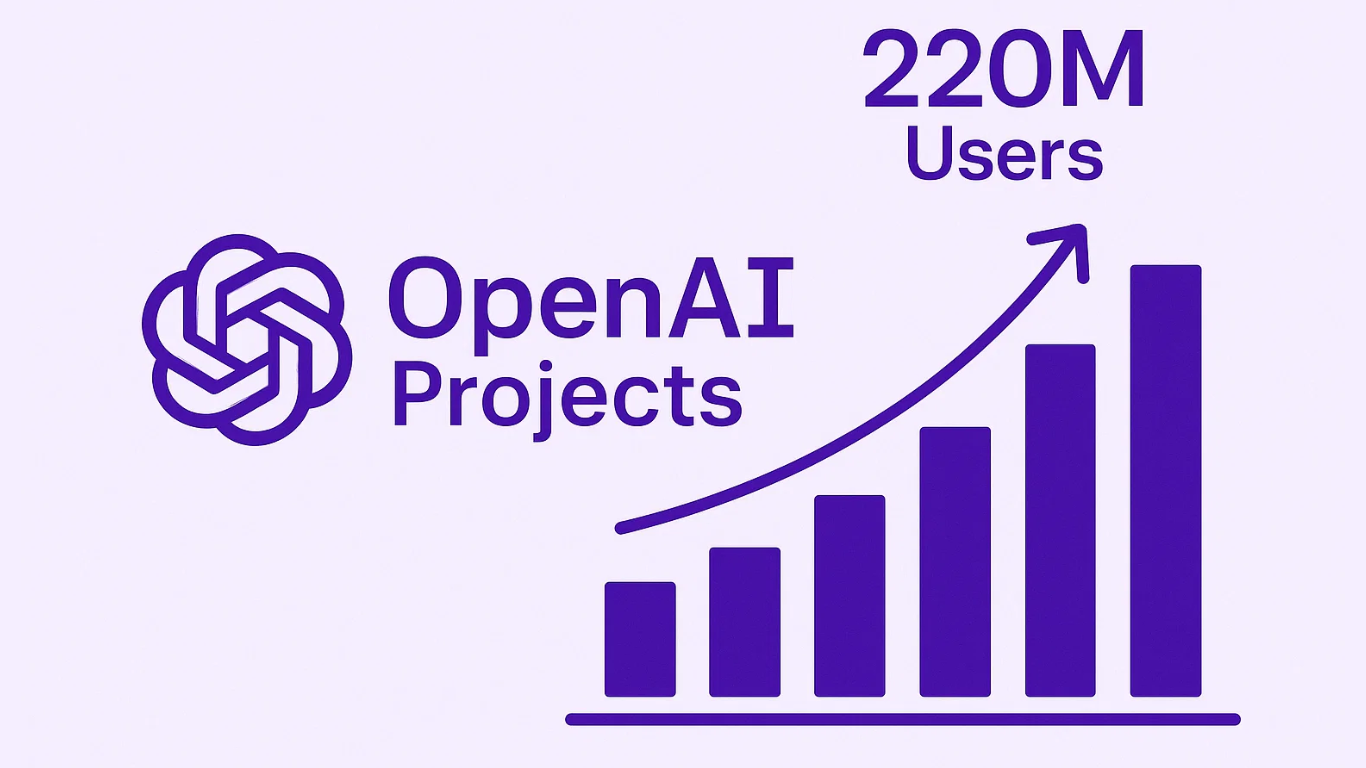
OpenAI is forecasting one of the largest subscription user bases in the digital economy, projecting that 220 million weekly ChatGPT users will pay for premium plans by 2030, according to The Information. The estimate is based on the assumption that 8.5% of an expected 2.6 billion weekly users will opt for a paid tier, placing ChatGPT among the most profitable global subscription platforms.
As of July, OpenAI had roughly 35 million paying subscribers, equal to about 5% of its weekly active user base. These users are enrolled in the company’s Plus plan at $20 per month or the Pro tier priced at $200 per month, reflecting a broadening willingness among individuals and enterprises to pay for enhanced AI capabilities.
The Information noted that OpenAI expects this conversion rate to rise as generative AI becomes more deeply integrated into professional workflows, education, and consumer services.
Revenue Expands but Losses Mount
Despite soaring demand, the company continues to operate with significant expenses tied to research, model training, and cloud infrastructure. OpenAI’s annualized revenue run rate is projected to hit $20 billion by year-end, according to sources cited by Reuters. However, losses remain high as the firm accelerates development across its model lineup.
Additional financial details highlight the scale of operations:
- OpenAI generated $4.3 billion in revenue in the first half of 2025, up 16% from all of 2024.
- The company reportedly burned $2.5 billion over the same period, driven primarily by R&D and compute costs.
- Reuters noted it could not independently verify the subscriber forecast and OpenAI declined to comment.
The financial trajectory illustrates a familiar challenge in high-growth AI: revenue expansion outpaced by the cost of running and advancing cutting-edge models.
New Products Boost Monetization Plans
OpenAI anticipates that about 20% of future revenue will stem from new product lines, including commerce-driven and ad-supported features. This week, the company launched a personal shopping assistant within ChatGPT, a tool designed to analyze product options, surface recommendations, and potentially connect users to retail partners.
Such features signal a shift beyond the traditional subscription model. They also hint at a broader strategy to embed ChatGPT into e-commerce ecosystems through advertising, affiliate commissions, and premium add-ons.
- AI-driven shopping features create new revenue channels.
- Advertising models may offer scalable, consumer-friendly monetization.
- Enterprise integrations could accelerate as AI becomes a standard productivity layer.
OpenAI’s projections suggest that by 2030, generative AI will not only reshape technology usage but also redefine the economics of global subscription services.

