

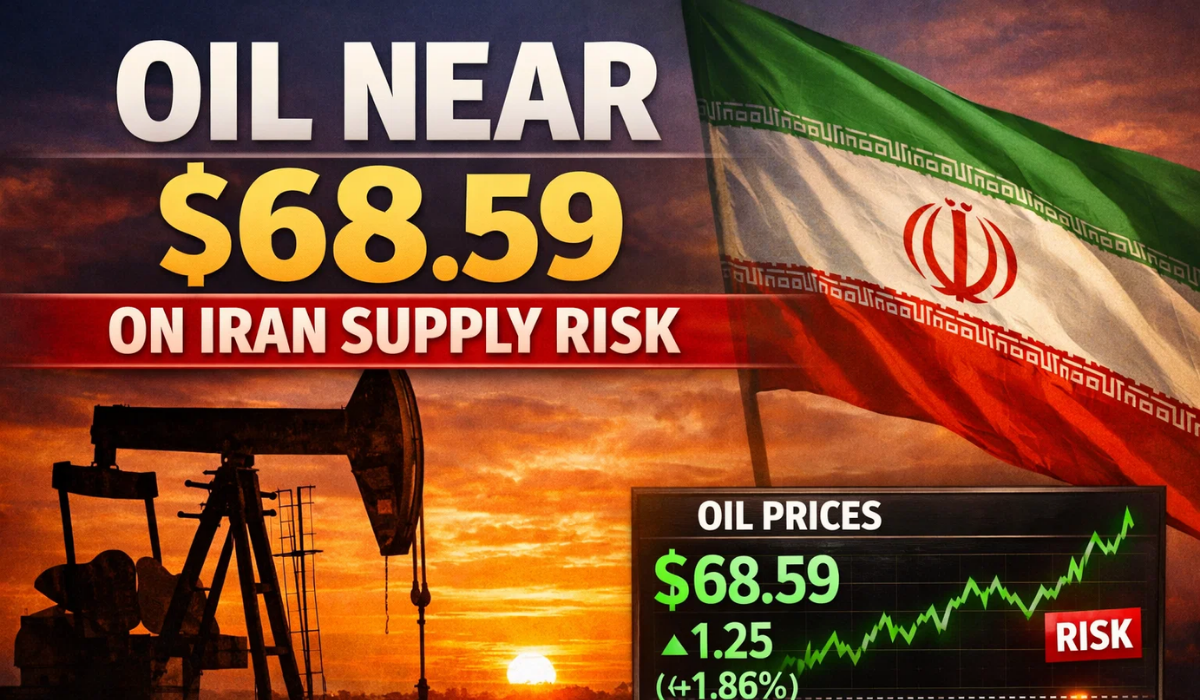
Oil prices steadied Tuesday as traders weighed the risk of supply disruptions ahead of high-stakes nuclear talks between the United States and Iran in Geneva. The cautious tone followed Iranian naval drills near the Strait of Hormuz, a critical oil shipping lane.
Brent crude futures slipped 0.2% to $68.59 a barrel by 01:06 GMT, after gaining 1.3% on Monday. U.S. West Texas Intermediate (WTI) crude traded at $63.73 a barrel, up 84 cents, or 1.34%. The WTI move reflected Monday’s full price action because the contract did not settle that day due to the U.S. Presidents Day holiday.
U.S. President Donald Trump said he would be involved “indirectly” in the Geneva talks and added that he believes Tehran wants to reach a deal. Over the weekend, Trump said regime change in Iran “would be the best thing that could happen,” comments that heightened geopolitical tension.
Trading activity remained thin as several major Asian markets—including mainland China, Hong Kong, Taiwan, South Korea and Singapore—were closed for Lunar New Year holidays.
Strait of Hormuz in Focus
At the center of investor concern is the Strait of Hormuz, one of the world’s most important oil transit chokepoints. Iran began military exercises there on Monday, underscoring the strategic sensitivity of the region.
Key facts about the situation:
- The Strait of Hormuz is a primary export route for Gulf producers.
- Iran, Saudi Arabia, the United Arab Emirates, Kuwait and Iraq ship most of their crude through the strait.
- Much of that oil is sent to Asian buyers.
When tensions rise in this corridor, traders often add a “risk premium” to oil prices. That means prices include extra value based on fear of disruption.
Daniel Hynes, an analyst at ANZ, said the market remains unsettled due to geopolitical uncertainty. He noted that easing tensions in the Middle East or progress in the Russia-Ukraine conflict could quickly remove that risk premium. On the other hand, escalation could push prices higher.
OPEC+ and Citi Outlook
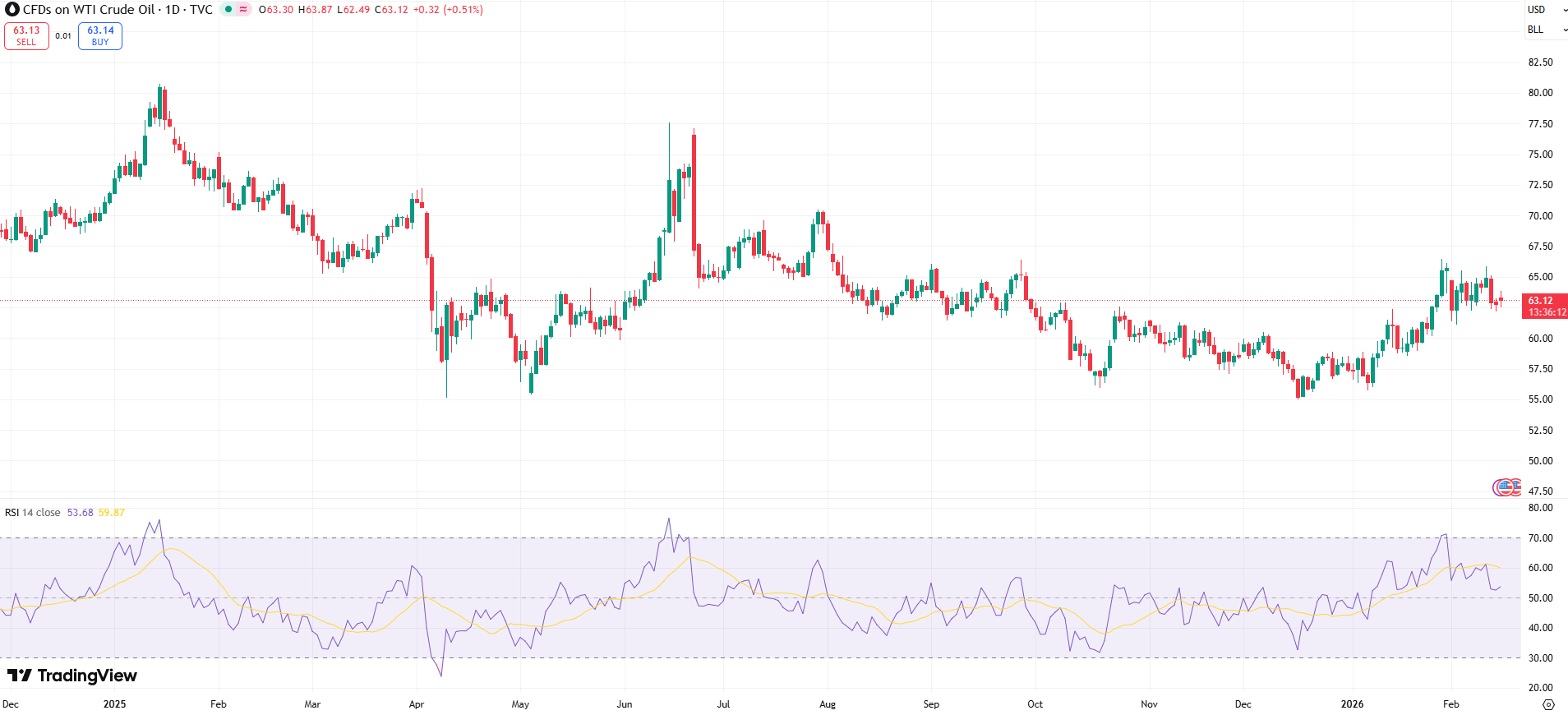
Beyond geopolitics, supply policy remains critical. According to Citi, if disruptions to Russian supply keep Brent crude in a $65 to $70 per barrel range in the coming months, OPEC+ may respond by increasing production from spare capacity.
Three OPEC+ sources indicated the group is leaning toward resuming output increases from April. The timing would align with peak summer demand, when global fuel consumption typically rises.
Citi’s base case assumes that both Iran-related negotiations and a Russia-Ukraine deal could materialize by or during the summer. If that happens, the bank expects Brent crude to decline to $60–$62 per barrel.
For new investors, the message is simple: oil prices move based on supply and risk. If tensions disrupt supply, prices rise. If diplomacy reduces risk and output increases, prices may fall. With Brent near $68.59, markets are waiting for clarity from Geneva.

