

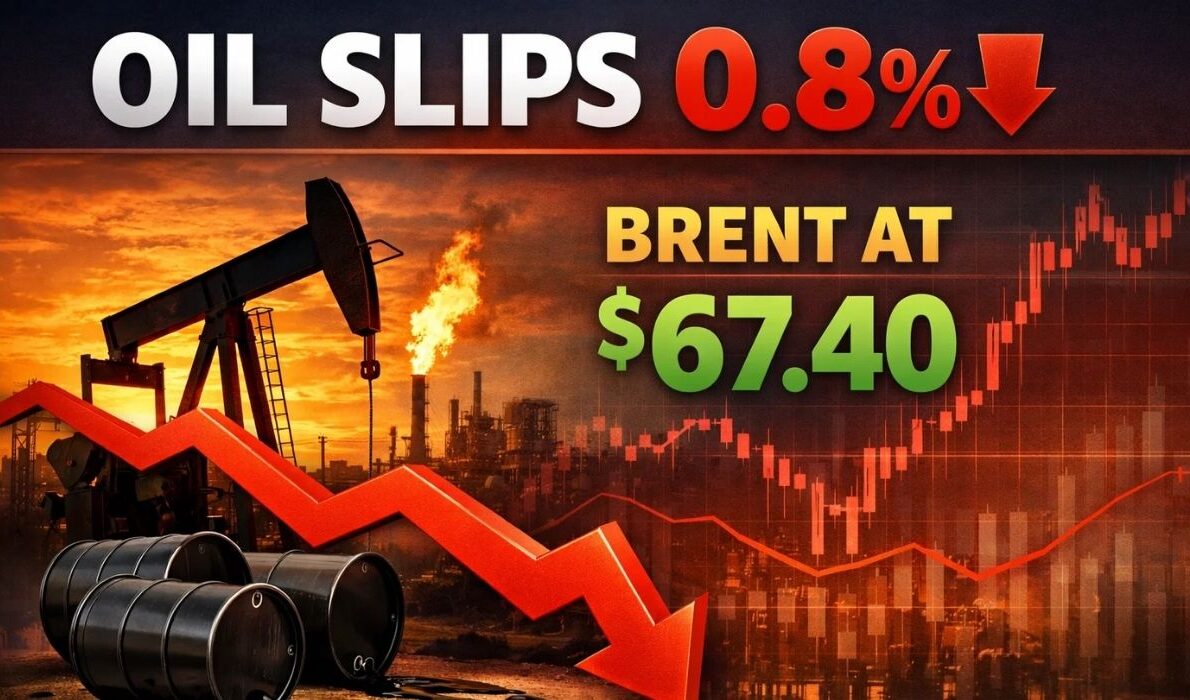
Oil prices are sliding for a second straight week as worries about war with Iran fade and forecasts show too much oil may be available. Brent crude futures slipped about 0.2% to $67.40 a barrel on Friday morning. The U.S. benchmark West Texas Intermediate (WTI) also edged down 0.2% to $62.71 a barrel. Both benchmarks finished lower on Thursday before Friday’s small moves. Brent is on track to fall about 0.8% this week, and WTI about 1.1%.
Earlier in the week, prices climbed because investors were nervous the U.S. might take military action against Iran over its nuclear program. Then on Thursday, comments from U.S. President Donald Trump about a possible deal with Iran in the next month helped calm those fears, pushing prices lower.
Oil prices often rise when people fear war or big supply disruptions, but when those fears ease, prices can fall. With the risk of conflict seeming less urgent, traders are now more focused on oil supply and demand numbers.
Global Supply Outpaces Demand
A key reason for the price slide is a forecast that global oil supply will exceed demand this year. The International Energy Agency (IEA) reported that demand for oil in 2026 is expected to rise more slowly than before, increasing by about 850,000 barrels per day — a bit lower than earlier estimates — while supply keeps growing. Because supply could be 3.7 million barrels per day more than demand, oil markets may feel oversupplied.
Extra oil sitting in storage and bigger stockpiles in the United States have also weighed on prices. Data showed U.S. crude inventories jumped higher, adding to the sense that oil is plentiful right now.
This imbalance between supply and demand makes it harder for oil prices to go up, even though global economic activity and fuel use are still growing. In simple terms, there might be too much oil and not enough buyers at current price levels.
Venezuelan Output, U.S. Policy Help Boost Supply
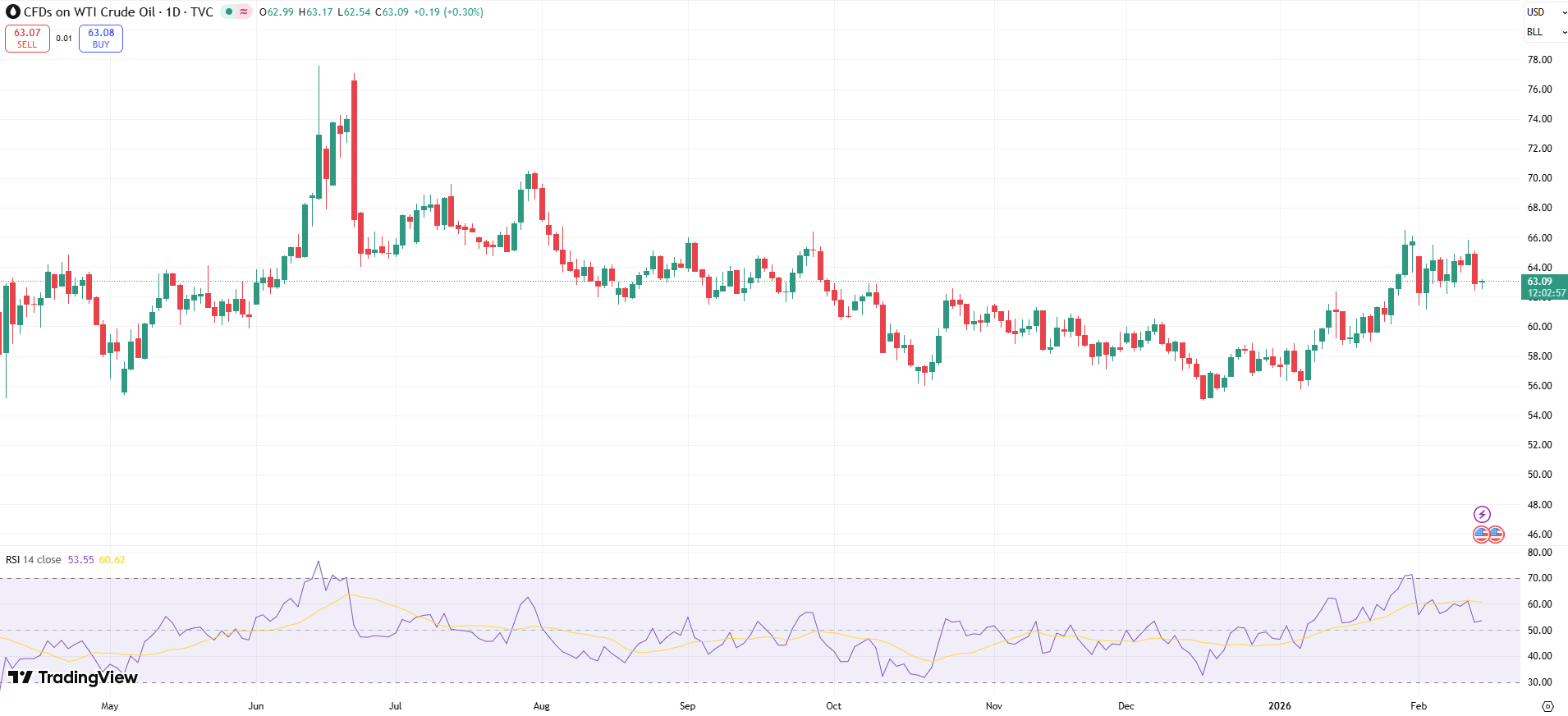
Another factor pushing supply up is the expected return of Venezuelan oil production to near normal levels. Analysts expect output to rise from around 880,000 barrels per day to about 1.2 million barrels per day in the coming months as U.S. sanctions ease.
U.S. officials also said that oil sales from Venezuela — managed under U.S. control since January — have already brought in more than $1 billion, and they expect around $5 billion more in the next few months.
These increases add to global supply at a time when demand growth is slowing, helping explain why oil prices are falling. If output keeps rising in Venezuela and other countries, prices may stay under pressure for weeks.
Key Numbers at a Glance
- Brent crude: $67.40 per barrel (down ~0.8% weekly)
- WTI crude: $62.71 per barrel (down ~1.1% weekly)
- Global oil supply over demand: ~3.7 million barrels per day surplus projected
- Venezuelan production expected to rise to ~1.2 million bpd soon

