

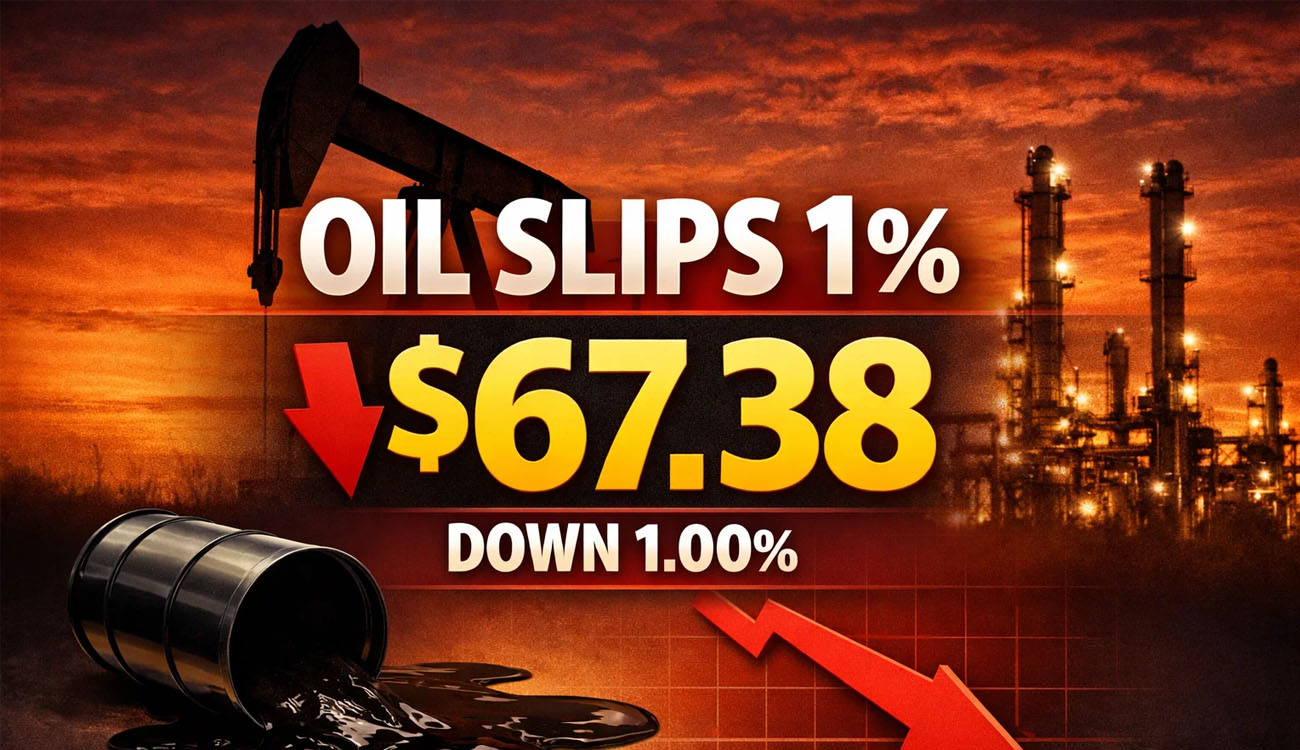
Oil prices dropped on Monday as investors felt a little less scared about war in the Middle East. Over the weekend, the United States and Iran said they would keep talking about Iran’s nuclear program after meetings in Oman. Both sides called the discussions “positive,” which helped calm traders worried that fighting could break out.
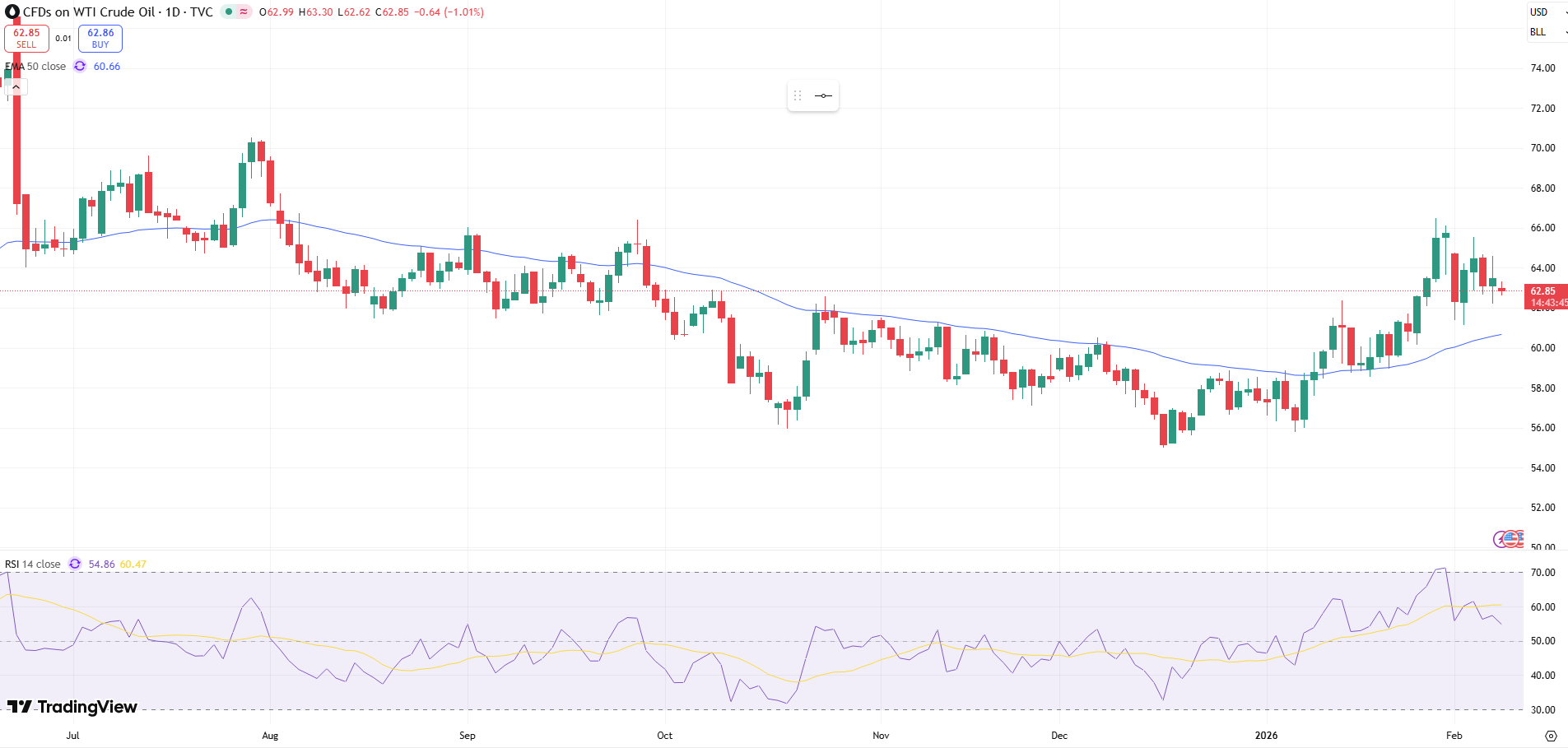
Because of that, Brent crude futures fell 67 cents, or 1%, to $67.38 a barrel by 04:44 GMT. U.S. West Texas Intermediate (WTI) crude also slipped 61 cents, or 1%, to $62.94 a barrel. Tony Sycamore, a market analyst at IG, said that with more talks planned, “the immediate fear of supply disruptions has eased quite a bit.”
Still, tension has not disappeared. Iran’s foreign minister warned on Saturday that Tehran would strike U.S. bases in the region if American forces attacked first. That reminder kept some risk in the market, even as prices fell.
Investors are especially nervous because about one-fifth of the world’s oil passes through the narrow Strait of Hormuz between Oman and Iran. Any conflict there could block tankers and sharply reduce global supply.
Last week, both Brent and WTI fell more than 2%, their first weekly drop in seven weeks, as hopes for diplomacy grew.
Markets remain jumpy
Even with calmer headlines, traders are not relaxed. Priyanka Sachdeva, senior analyst at Phillip Nova, said that “volatility remains elevated” and that any bad news could quickly push oil prices higher again. In simple terms: prices can swing fast.
Oil is reacting not only to geopolitics but also to how much supply the world expects in the months ahead. If traders think supplies could tighten, prices tend to rise. If they feel safer, prices usually fall.
Russia sanctions reshape oil flows
Beyond the Middle East, the oil market is also wrestling with sanctions on Russia because of its war in Ukraine. On Friday, the European Commission proposed a broad ban on services that help ship Russian seaborne crude, a move aimed at squeezing Moscow’s revenue.
This is already changing behavior in Asia. Indian refiners — once the biggest buyers of Russia’s sea-borne oil — are avoiding purchases for April delivery, and traders expect that pause to last longer. Some industry sources say this shift could help India strike a trade deal with Washington.
Sachdeva warned that markets will stay sensitive to how widely countries move away from Russian oil, whether India keeps its reduced buying beyond April, and how quickly other suppliers can fill the gap.
Key points to watch this week:
- Whether U.S.–Iran talks continue without new threats.
- Any military buildup near the Strait of Hormuz.
- How aggressively Europe enforces new Russia shipping curbs.
- Whether India resumes buying Russian crude after April.
For now, oil has stepped back from recent highs, but the path ahead still depends on diplomacy, sanctions, and the steady flow of tankers through some of the world’s most dangerous waters.

