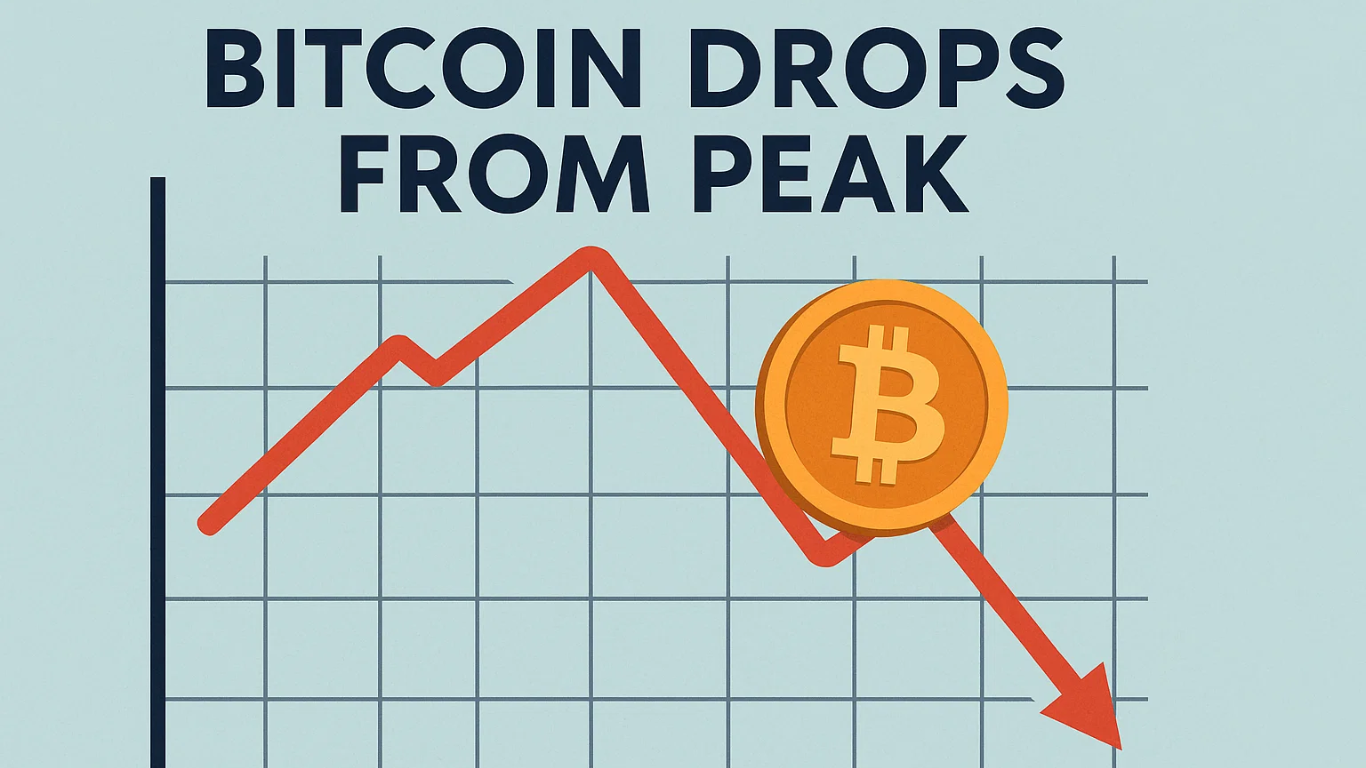
Bitcoin’s latest downturn—its steepest in months—has sparked widespread debate over what triggered the slide. Despite speculation that the decline was tied to the recent U.S. government shutdown or mounting fears of an AI-driven tech bubble, several leading crypto analysts argue those explanations don’t hold up.
Bitcoin recently touched an eight-month low, falling sharply from its $125,100 record in October. Some traders linked the move to macro uncertainty after the U.S. shutdown ended last week. Others suggested that weakness in AI-related stocks may be spilling into digital-asset markets.
But onchain analyst Rational Root pushed back in a midweek interview, saying: “I wouldn’t contribute the drawdown in Bitcoin all to the shutdown of the government.” Instead, he emphasized that the decline reflects excessive futures leverage built up during the October rally—leverage that eventually forced market-wide unwinding.
Crypto analyst PlanC echoed that view, dismissing the AI-bubble thesis. He pointed to Nvidia’s blockbuster earnings, with revenue hitting $57 billion for the quarter—well above the $54.7 billion Wall Street forecast—as evidence that AI fundamentals remain intact.
Only Two Plausible Drivers Remain
With shutdown fears and AI contagion ruled out, analysts argue the list of credible explanations for Bitcoin’s drop has narrowed. According to PlanC, only two structural forces remain worth watching:
- The four-year Bitcoin cycle narrative
- Global liquidity conditions, especially M2 money supply trends
Rational Root and others note that the widely followed four-year halving cycle may be losing predictive power. Swan Bitcoin CEO Cory Klippsten recently argued that institutional adoption has likely “killed” Bitcoin’s traditional boom-and-bust rhythm, making cycle-based forecasting less reliable.
Meanwhile, global liquidity continues to influence crypto valuations. Strike CEO Jack Mallers said Bitcoin remains “the most sensitive to liquidity,” often moving first when global money supply expands or contracts.
Reset Creates Opening for Upside
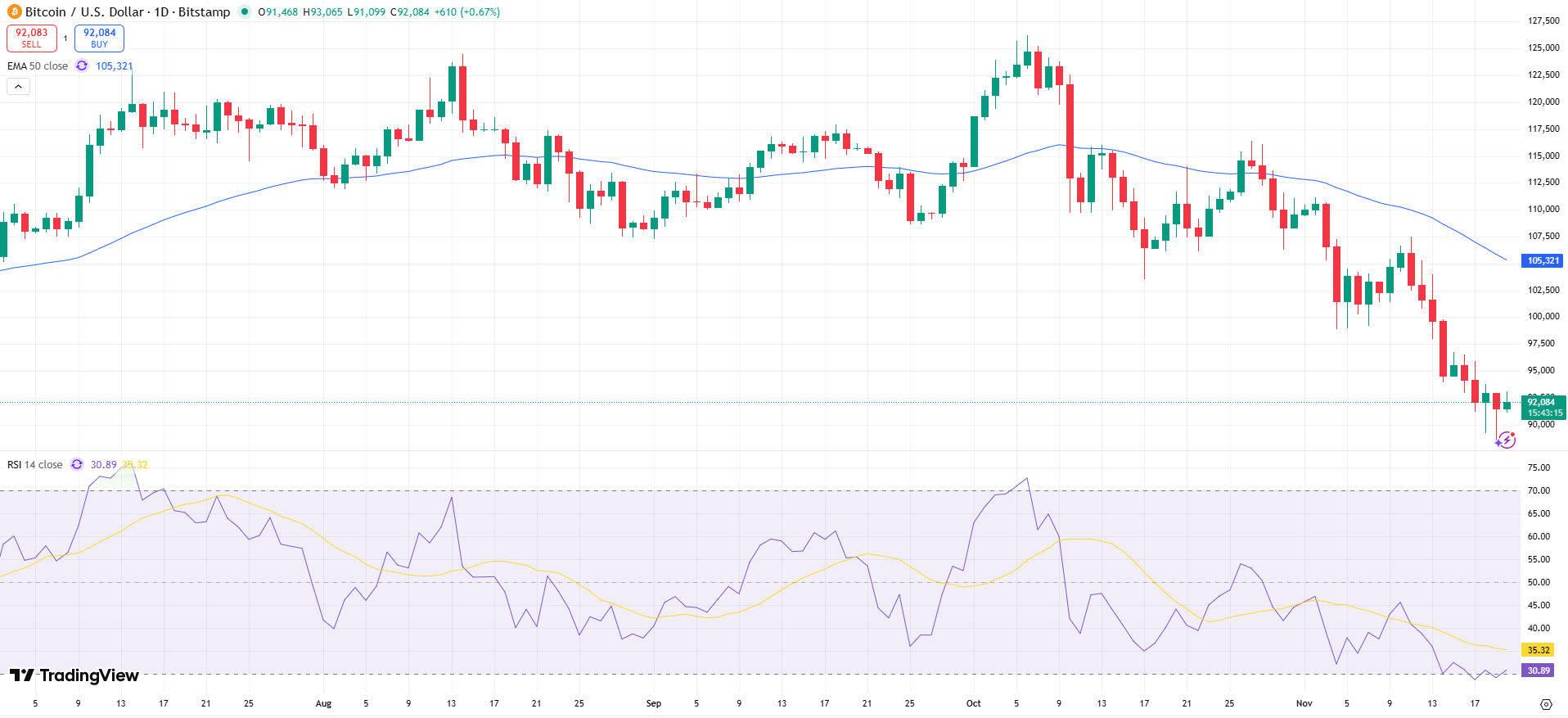
Despite the downturn, several analysts see signs of resilience. Rational Root noted that Bitcoin has undergone three major resets over the past three years—each comparable to historical bear-market conditions. Importantly, every prior reset set the stage for a renewed leg higher.
The latest drop, he said, has given Bitcoin a “clean slate,” reducing leverage distortions and bringing positioning back to healthier levels. Still, he cautioned that the next advance is likely to be “more gradual” rather than explosive.
Some industry watchers now believe the end of the U.S. shutdown could indirectly accelerate SEC approvals of new crypto ETFs in 2026—a development that may bolster long-term institutional demand.