
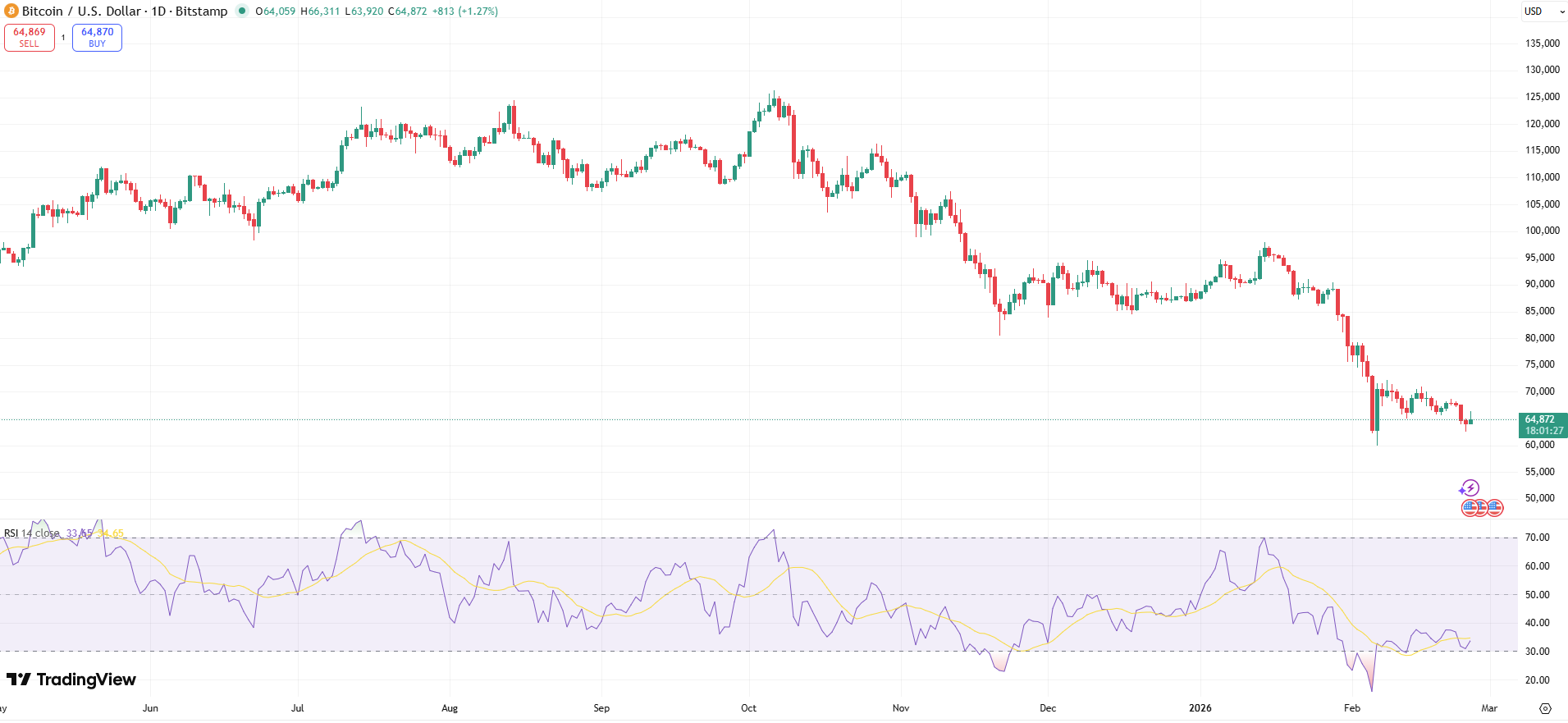
Michael Saylor’s company, Strategy, has shifted roughly $83 million worth of Bitcoin after two months of wallet inactivity. The transfer, first flagged by blockchain tracker Lookonchain, comes as the firm faces about $9.1 billion in unrealized losses due to Bitcoin’s recent price decline.
An unrealized loss means the company has not sold its Bitcoin, but the current market value is lower than what it paid. As Bitcoin prices trend downward, the paper losses grow larger.
Analysts say the $83 million movement could simply be internal repositioning rather than a sale. Still, investors are watching closely. Strategy has built its identity around holding Bitcoin long term. Saylor has repeatedly stated the firm would not sell—even if Bitcoin fell to $8,000. In recent social media posts, he has hinted at further purchases.
Earlier this week, the company added 592 BTC to its holdings. That marked its 100th Bitcoin purchase. Strategy remains the largest corporate holder of Bitcoin, well ahead of Mara Holdings, which holds 53,250 BTC.
Key figures shaping the debate:
- Bitcoin transferred: $83 million
- Unrealized losses: $9.1 billion
- Latest purchase: 592 BTC
- Mara Holdings stash: 53,250 BTC
Stock Pressure and Short Interest
The market impact is not limited to crypto. Strategy’s stock has faced growing pressure. According to positioning data from Goldman Sachs, the company has become one of the most shorted large-cap U.S. stocks, measured by short interest as a percentage of market value.
Short selling means investors are betting the stock price will fall. Rising short interest often signals skepticism about future performance. In Strategy’s case, its fortunes are tightly linked to Bitcoin’s price swings. When Bitcoin falls sharply, the company’s balance sheet weakens on paper, which can weigh on its stock.
Yet Saylor’s strategy remains unchanged: accumulate and hold. That conviction continues to divide investors between long-term believers and cautious skeptics.
Bitcoin ETFs See Heavy Outflows
Selling pressure is also visible in exchange-traded funds (ETFs). James Seyffart of Bloomberg reported that investors sold 25,098 BTC worth of ETF shares in the final quarter of last year.
One of the largest reductions came from Brevan Howard, which trimmed over 17,000 BTC worth of ETF exposure. Meanwhile, funds managed by BlackRock, including its flagship spot Bitcoin ETF, have recorded five straight weeks of net outflows.
However, there was a brief rebound. Data from SoSoValue showed Bitcoin funds attracted $257 million in inflows in a single day, hinting that demand has not disappeared entirely.
For now, the market faces a clear tension. Strategy continues buying, ETFs have seen waves of selling, and Bitcoin’s price direction remains uncertain. Whether the $83 million transfer marks routine management or a turning point will depend largely on where Bitcoin heads next.
Sources & Methodology
Primary-source standard: Market-moving facts should link to original data releases, regulator notices, company filings or official project announcements whenever available. Secondary reporting is used for additional context, not as a substitute for original evidence.
Page last reviewed: