
Investing.com — Oil prices pushed further into positive territory during Asian trading Friday, as hopes for a full reopening of the Strait of Hormuz gave way to reports that Iran was moving to exclude U.S. and Israeli-linked vessels from the critical shipping corridor. Brent Oil Futures expiring in October rose 1.4% to $83.65 per barrel as of 20:33 ET, while West Texas Intermediate (WTI) crude futures climbed 1.3% to $78.26 per barrel.
Iran’s Vessel Ban Reverses Earlier Optimism
Friday’s gains build on a strong prior session, when Brent and WTI futures jumped nearly 4% and 3%, respectively. Even with back-to-back rallies, both benchmarks remain on pace for weekly losses exceeding 7%, underscoring how sharply sentiment has swung over the course of the week.
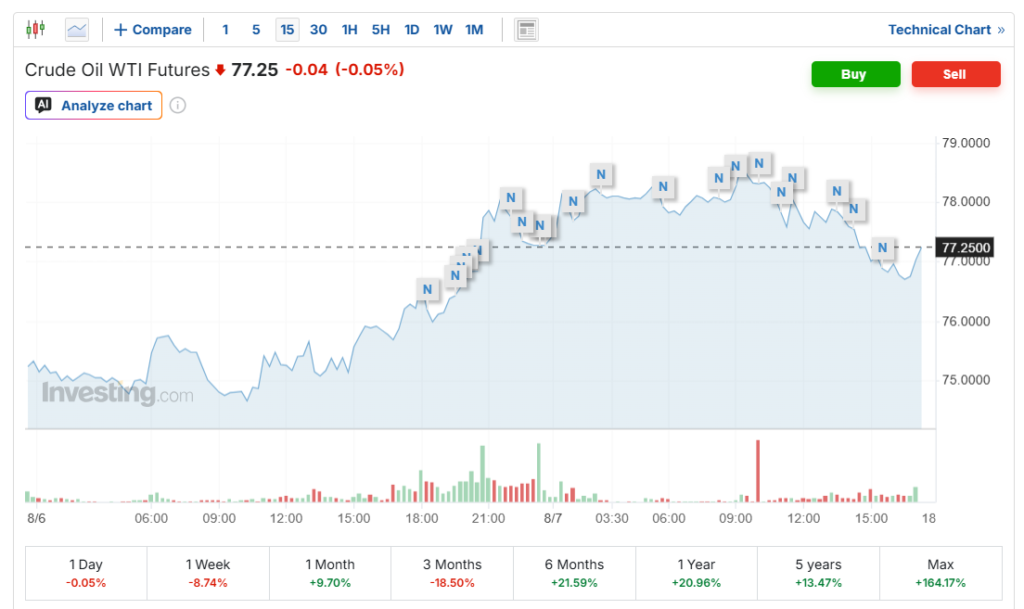
The reversal traces to media reports that an Iranian parliamentary committee is reviewing legislation to bar U.S. and Israeli ships from transiting the waterway, with penalties reaching up to 20% of cargo value for violators. Adding to tensions, Iran’s Islamic Revolutionary Guard Corps said it had struck “hostile targets” within the Strait of Hormuz itself. The developments mark a sharp turnaround from earlier in the week, when oil prices had retreated on optimism that Tehran and Oman were nearing a deal to restore normal shipping through the strait. That optimism faded once details suggested any reopening could specifically exclude U.S. and Israeli vessels, keeping geopolitical risk squarely in focus for traders.
Why Hormuz Disruptions Move Global Markets
The strait’s outsized importance to global energy markets explains why even the possibility of restricted access moves prices so sharply.
- The Strait of Hormuz handles roughly one-fifth of global oil and liquefied natural gas shipments
- Yemen’s Houthi movement claimed fresh attacks on Saudi military positions and infrastructure, raising separate concerns over Red Sea shipping routes
- A Ukrainian drone strike reportedly set a major Russian refinery ablaze, adding another layer of supply-side pressure
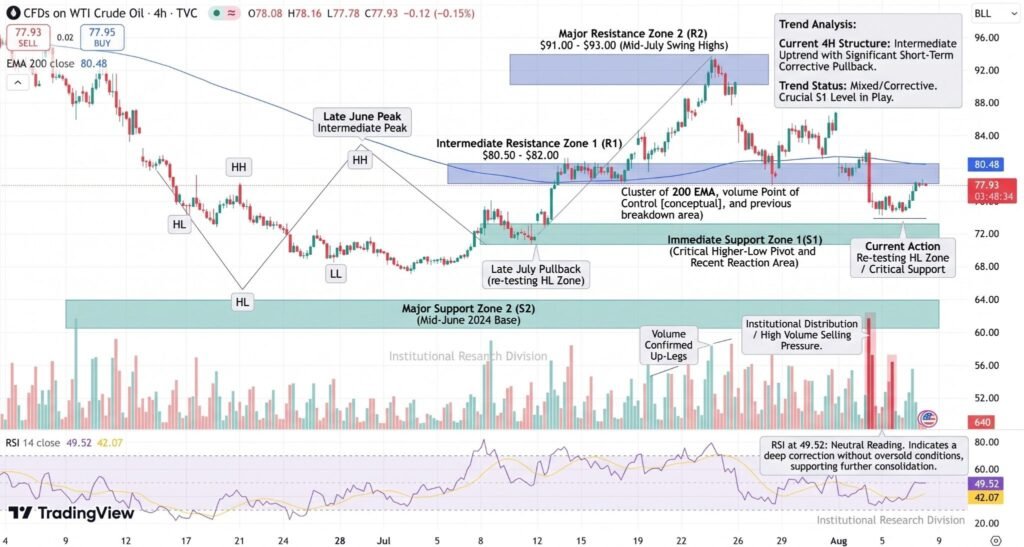
Together, these developments illustrate how multiple regional flashpoints, not just Hormuz, are converging to keep energy markets on edge. Any one of these disruptions alone would draw market attention; the combination has amplified this week’s volatility considerably.
Fed Rate Path Adds Another Layer of Uncertainty
Beyond geopolitical risk, traders are also watching the U.S. nonfarm payrolls report due later Friday for signals on the Federal Reserve’s next move on interest rates. Higher rates typically slow broader economic activity, which in turn can dampen fuel demand, meaning Friday’s jobs data could either reinforce or offset some of the geopolitical-driven price action seen this week. With oil already swinging on supply-side headlines, a payrolls surprise in either direction could add further volatility to a market already searching for a clear direction into the weekend.
Sources & Methodology
Primary-source standard: Market-moving facts should link to original data releases, regulator notices, company filings or official project announcements whenever available. Secondary reporting is used for additional context, not as a substitute for original evidence.
Page last reviewed: