
Airbus and Italy’s Leonardo are investigating a manufacturing defect affecting corrosion protection inside approximately 500 A321neo aircraft. About half of the jets have entered airline service, while the remainder are still moving through production. Airbus says the defect does not present an immediate safety risk, allowing airlines to continue operating affected aircraft. A repair plan is being developed as the manufacturer works to protect its 2026 delivery target and increase narrow-body production.
Thin Primer Triggers Quality Alert
The defect involves an insufficient layer of anti-corrosion primer applied to structural components called stringers. These lengthwise reinforcements help support the aircraft’s fuselage.
Technicians discovered the problem during standard rework on stringers in the lower forward fuselage. Inspectors reportedly removed surface paint and found gaps in the protective primer underneath. Reduced coating thickness may weaken long-term corrosion resistance if the affected areas are not treated.
Airbus classified the defect as a production-quality issue rather than an unsafe condition. The company said affected aircraft can continue flying because there is no immediate requirement to complete the repairs before operation or delivery.
The current scope includes:
- Approximately 500 A321neo aircraft
- Roughly 250 jets already delivered to airlines
- About 250 aircraft still in production
- Stringers in the lower forward fuselage
- No affected A321XLR aircraft identified
- No immediate flight suspensions or grounding orders
The figures are based on people familiar with the investigation and may change as Airbus completes inspections.
Leonardo Examines Supplier Failure
Leonardo supplies aerostructure components for the A321neo and operates a dedicated subcontractor network for chemical surface treatments. Reuters reported that investigators are examining work performed by privately held Italian coatings company TESI.
The supplier allegedly applied the anti-corrosion primer too thinly. Airbus and Leonardo are working to determine how the deviation passed through quality controls and how many components require treatment. Leonardo is one of two suppliers involved in producing the relevant stringers; the other is Airbus Atlantic, the manufacturer’s internal aerostructures division.
Airbus has not disclosed the expected repair cost or how liability will be divided among the companies. The investigation will need to establish whether the problem originated in coating application, inspection procedures or documentation.
Repairs May Limit Delivery Delays
Airlines receiving affected aircraft may have up to two years to complete the work, instead of waiting for the usual four-year heavy-maintenance cycle. That schedule permits repairs to be incorporated into planned maintenance rather than requiring the immediate withdrawal of operating jets.
The defect nevertheless creates additional work for production teams. Airbus is trying to increase monthly narrow-body output from approximately 60 aircraft to between 70 and 75 by the end of 2027. The company has also faced engine shortages and other supplier-related quality problems.
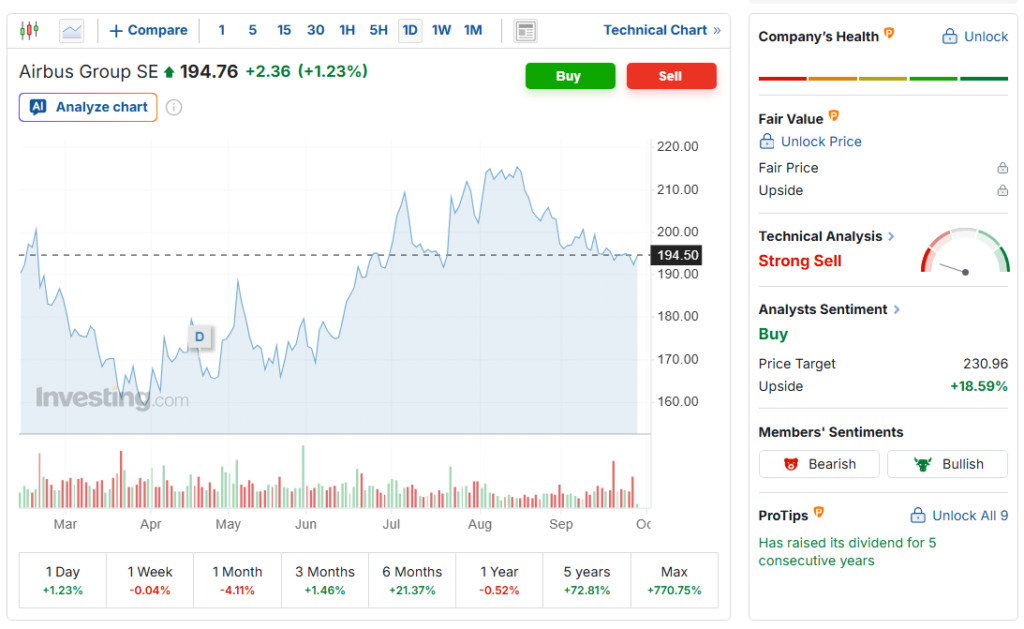
Airbus reaffirmed its 2026 delivery target on Friday. Its stated annual range is 850 to 890 commercial aircraft, although analysts have warned that repairs and customer acceptance decisions could affect delivery timing.
Conclusion
The A321neo coating defect is substantial in scale but currently limited in operational severity. Airbus has found no immediate safety risk, and airlines can continue flying affected jets. The main concerns are repair costs, supplier oversight and possible production delays. Airbus and Leonardo must now identify the root cause, complete inspections and ensure that long-term corrosion protection meets specification across every affected aircraft.
Sources & Methodology
Primary-source standard: Market-moving facts should link to original data releases, regulator notices, company filings or official project announcements whenever available. Secondary reporting is used for additional context, not as a substitute for original evidence.
Page last reviewed: