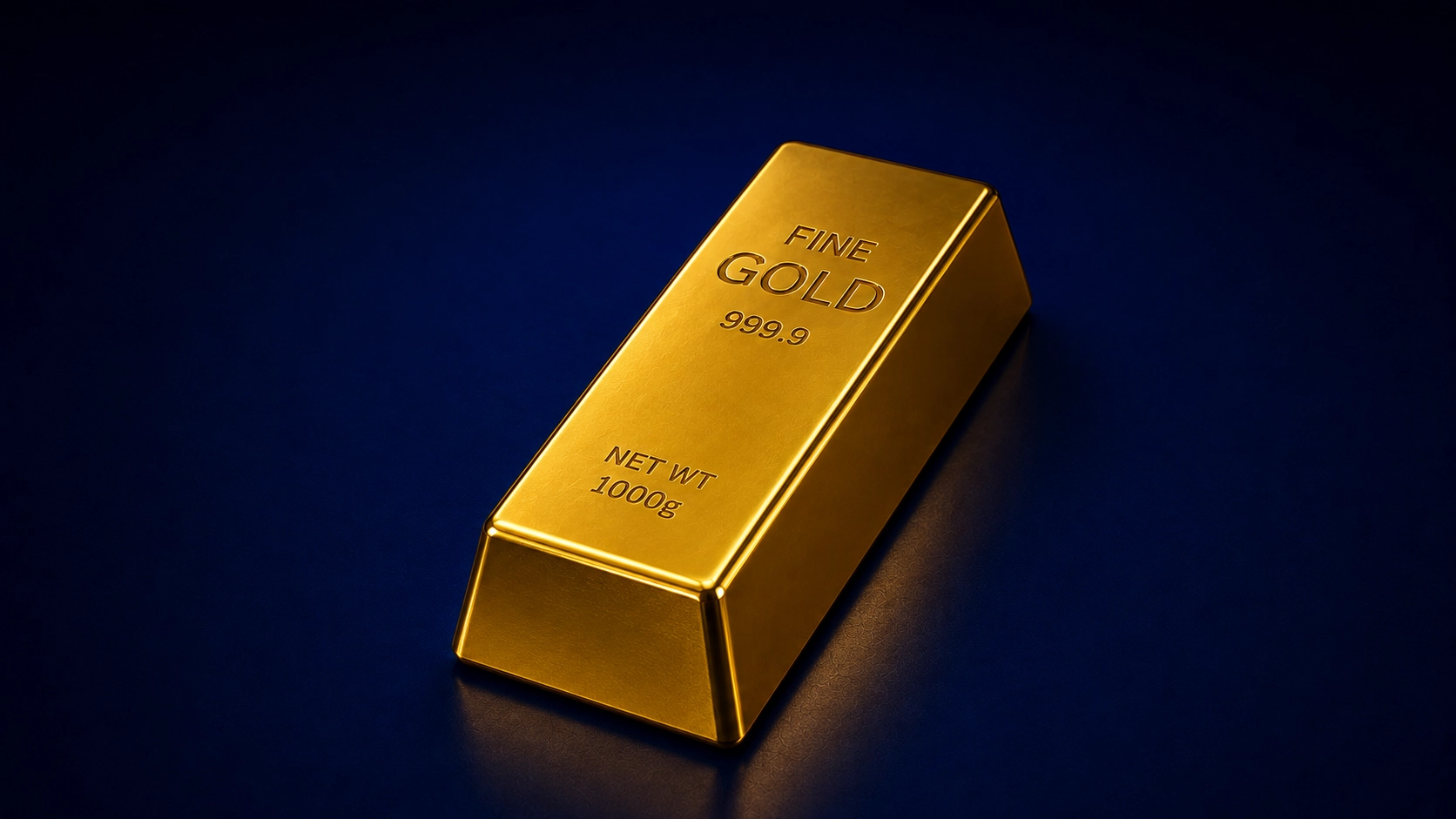
Gold prices advanced on Monday as investors reassessed the Federal Reserve’s interest-rate outlook after Chair Kevin Warsh’s latest comments reduced expectations for another rate increase. Spot bullion gained 0.4% to $4,180.29 an ounce, while U.S. gold futures climbed 0.5% to $4,200.92. The move followed a 0.7% weekly decline as stronger U.S. inflation data had revived concerns about tighter monetary policy. Traders are now weighing the possibility of a near-term rate pause against persistent inflation, elevated borrowing costs and continued demand for gold as a financial hedge.
Gold Gains as Fed Hike Odds Fall
Market expectations shifted after Warsh’s remarks were interpreted as supporting a pause at the Federal Reserve’s upcoming meeting. Traders reduced the implied probability of a quarter-point rate increase this month to below 20%, easing immediate pressure on non-yielding bullion.
The shift followed stronger-than-expected U.S. inflation figures that had previously strengthened the dollar and raised concerns about further monetary tightening. Warsh, however, did not commit to a specific policy decision, leaving investors focused on incoming economic data.
At the reported market snapshot, other precious metals also advanced:
- Silver: Rose 1.3% to $57.73 an ounce.
- Platinum: Gained 1.3% to $1,655.53.
- Palladium: Increased 1.5% to $1,132.74.
- U.S. Dollar Index: Slipped 0.04% to 101.80.
A weaker dollar can make gold cheaper for buyers using other currencies, potentially supporting demand. Conversely, higher interest rates increase the opportunity cost of holding gold because the metal does not generate interest income.
Inflation and Debt Risks Support Bullion
Gold has remained above the important $4,000-an-ounce threshold since August, despite a sharp correction earlier this year. Prices remain approximately 20% below their levels before the U.S.-Iran conflict erupted in late February, according to the supplied market report.
Investors continue to monitor U.S. inflation data and Federal Reserve policy for clues about the direction of interest rates. Persistent inflation could strengthen the case for further tightening, while a pause could reduce pressure on bullion.
ANZ analysts also highlighted growing fiscal and debt-sustainability concerns. In their assessment, elevated government bond yields may increasingly reflect worries about public finances rather than confidence in stronger economic growth, reinforcing gold’s appeal as a portfolio hedge.
Additional sources of demand include:
- Chinese investors seeking alternatives amid weakness in property and equity markets.
- Central banks diversifying reserves across different assets.
- Investors using gold to manage geopolitical and financial uncertainty.
These factors could help offset short-term selling pressure from elevated yields and a firm dollar.
Gold Price Forecast: $5,000 by 2027?
ANZ expects gold’s gains to remain limited in the near term before prices move above $5,000 an ounce in 2027. That outlook depends partly on sustained investment demand and continued central-bank purchases.
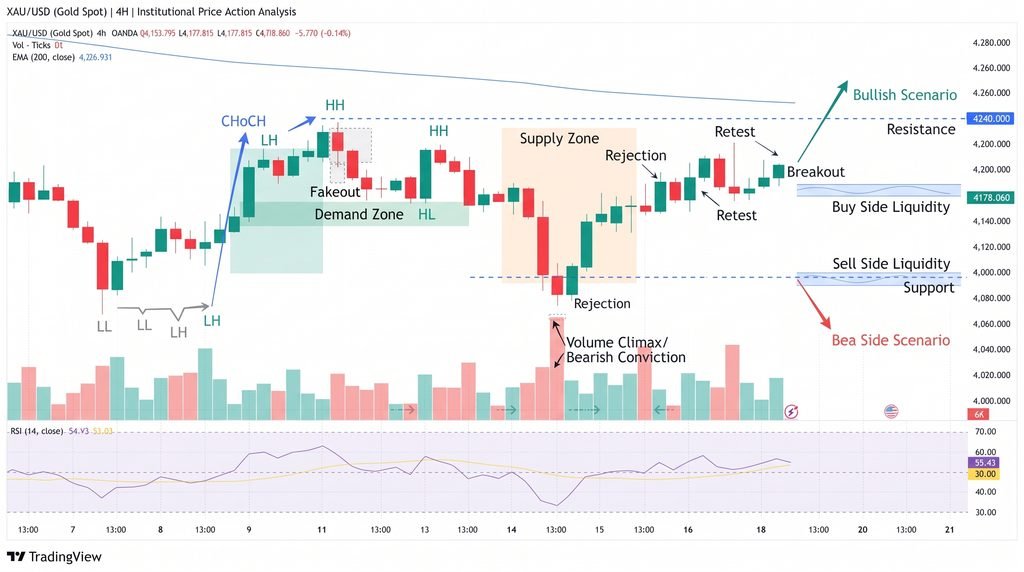
The forecast is not guaranteed. Renewed inflation pressures, higher interest rates or a stronger dollar could weigh on prices, while escalating geopolitical risks and increased reserve diversification could provide support.
Conclusion
Gold’s advance toward $4,200 futures reflects changing expectations for Federal Reserve policy rather than a clear end to inflation concerns. Traders will continue tracking economic releases, dollar movements and central-bank signals. The $4,000 level remains an important reference point, while ANZ’s $5,000-plus projection for 2027 depends on persistent investment and official-sector demand. For now, the balance between interest rates and safe-haven buying remains central to the gold price outlook.
Sources & Methodology
Primary-source standard: Market-moving facts should link to original data releases, regulator notices, company filings or official project announcements whenever available. Secondary reporting is used for additional context, not as a substitute for original evidence.
Page last reviewed: