
Large XRP transfers worth roughly $270 million have drawn attention as the cryptocurrency slid from around $1.29 to below $1.00. The movements could initially appear to signal rising selling pressure, but blockchain records tell a different story. Two transfers of exactly 140,351,238 XRP each went to newly prepared wallets rather than addresses identified as exchange deposits. The pattern points toward a possible custody reorganization, although public ledger data cannot establish who controls the receiving wallets or confirm the transfers’ ultimate purpose.
XRP whales move 280 million tokens
The latest transaction occurred on November 17 at 15:22 UTC, when wallet rN3t4E...mopY transferred 140,351,238 XRP to an address beginning rLxFWn, according to XRPScan. The transfer was valued at approximately $136 million at the time.
The same amount had moved from the sender to another wallet, beginning rMcu8At, on November 6. Together, the transactions account for approximately 280.7 million XRP. At a price near $0.97, that quantity represents roughly $272 million.
Neither receiving address has been identified as belonging to a centralized exchange. That distinction matters because transfers to known exchange deposit wallets can indicate that holders are preparing to sell, although deposits do not necessarily result in immediate sales.
The XRP Ledger records transfers publicly, allowing analysts to trace token movements between addresses. However, wallet addresses do not automatically reveal the identities of their owners.
Wallet preparation suggests planned custody
The receiving wallets were not created immediately before the large transfers. On-chain records show that the sender activated both addresses on October 5, approximately two minutes apart, using transfers of about 33 XRP each.
Two days later, each receiving wallet returned approximately 16 XRP. Such small transactions can serve as test transfers, allowing a holder to check wallet access and transaction functionality before moving a much larger balance.
The preparation process is consistent with an organized custody arrangement, potentially involving the distribution of assets across separate wallets. It does not, however, prove that both addresses belong to the same individual or institution.
The funding trail also contains a connection to Bitstamp. XRPScan labels link the sender’s activation history to an account associated with a Bitstamp-labeled wallet. A related wallet reportedly received its own activation from an address carrying that label in 2020.
These labels provide useful tracing clues, but they are not definitive proof of beneficial ownership or direct exchange involvement in the latest transfers.
XRP price decline puts whale activity in focus
The transfers occurred during a difficult period for XRP. The token fell alongside the broader cryptocurrency market, with Bitcoin also experiencing a sharp decline. XRP’s retreat toward $0.97 reflected the wider risk-off environment rather than establishing that the wallet movements caused the sell-off.
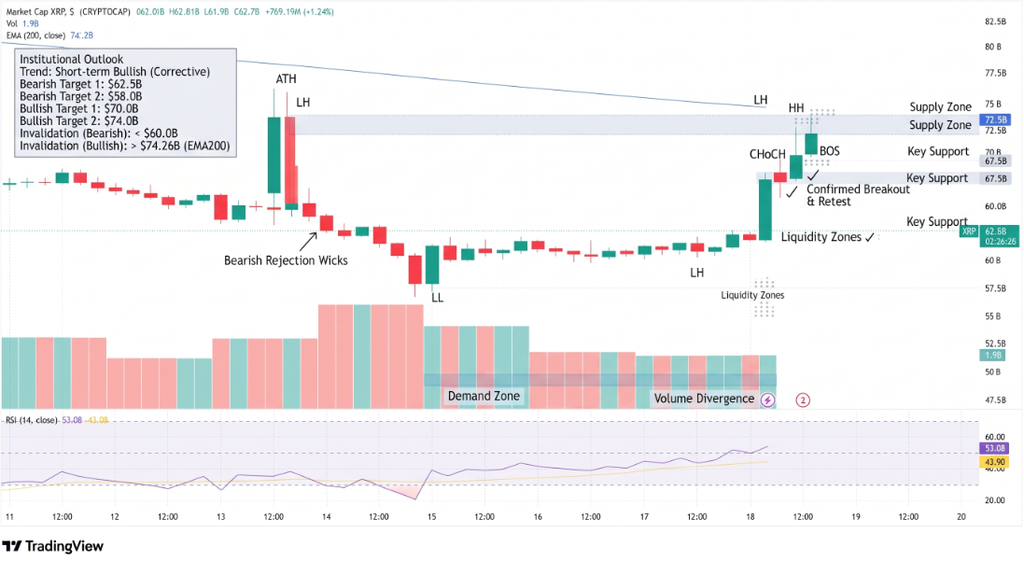
Important details from the ledger include:
- 140.35 million XRP: Amount transferred on November 6.
- 140.35 million XRP: Matching amount transferred on November 17.
- 280.70 million XRP: Combined quantity moved.
- Two receiving wallets: Both prepared weeks before the large transfers.
Conclusion
The roughly $270 million in XRP movements does not, by itself, demonstrate that whales are preparing to sell. The matching transfer amounts, advance wallet preparation and absence of confirmed exchange destinations are more consistent with a planned movement of funds between wallets. Nevertheless, ownership remains unverified, and the transfers should not automatically be interpreted as accumulation or a bullish signal. XRP traders will need to monitor subsequent wallet activity and exchange flows to determine whether the tokens eventually enter the market.
Sources & Methodology
Primary-source standard: Market-moving facts should link to original data releases, regulator notices, company filings or official project announcements whenever available. Secondary reporting is used for additional context, not as a substitute for original evidence.
Page last reviewed: