Zcash holders face a critical deadline as the upcoming NU7 network upgrade threatens to make approximately 12,226 ZEC, worth an estimated $16 million, permanently inaccessible through the network’s existing transaction rules. The funds remain in Sprout, Zcash’s oldest privacy pool. Once the upgrade activates, even users who retain their private keys will be unable to spend the remaining coins unless a future network change restores access.
Zcash Sprout Pool Holds $16 Million
The Sprout pool contained approximately 12,226 ZEC on Thursday, November 5, down from around 22,263 ZEC a week earlier, according to ZecStats historical records. The largest withdrawal occurred Sunday, when approximately 9,094 ZEC left the pool. Activity slowed significantly afterward, with only 40 ZEC withdrawn on Wednesday.
Introduced when Zcash launched in October 2016, Sprout was the network’s first shielded pool. Zcash uses privacy technology to conceal transaction details, including the sender, recipient and transferred amount. Its shielded pools operate through different generations of cryptographic technology, with Sprout eventually replaced by newer systems.
At an assumed market price of $1,300 per ZEC, the remaining balance represents approximately $16 million. However, the amount could decline if additional holders transfer their funds before the upgrade.
NU7 Upgrade Will Disable Sprout Spending
The NU7 network upgrade is scheduled to activate at block 3,543,405. Unlike a conventional deadline, its precise activation time depends on how quickly miners produce blocks. Therefore, estimates can change as network activity fluctuates.
The critical change is outlined in ZIP 2003, which removes support for version-4 transactions. Sprout funds can only be spent using this transaction format. Once NU7 takes effect, the network will reject those transactions under its updated consensus rules.
This means private keys will no longer be sufficient to move the remaining Sprout coins. The restriction affects version-4 transactions generally, rather than only transactions involving Sprout.
Users reviewing older wallet records should look for Sprout addresses, which commonly begin with the characters “zc.” However, the public pool balance does not identify individual owners or reveal how much of the remaining ZEC belongs to wallets with lost keys.
Key points for holders:
- Transfer remaining Sprout funds before block 3,543,405.
- Check older wallet records for addresses beginning with “zc.”
- Remember that private-key ownership alone will not guarantee access after activation.
ZEC Supply Remains as Block Times Fall
The upgrade will not destroy the remaining coins or remove them from Zcash’s issued supply. According to ZIP 2003, a future network upgrade could potentially restore spending, although developers warn that access may never be reinstated.
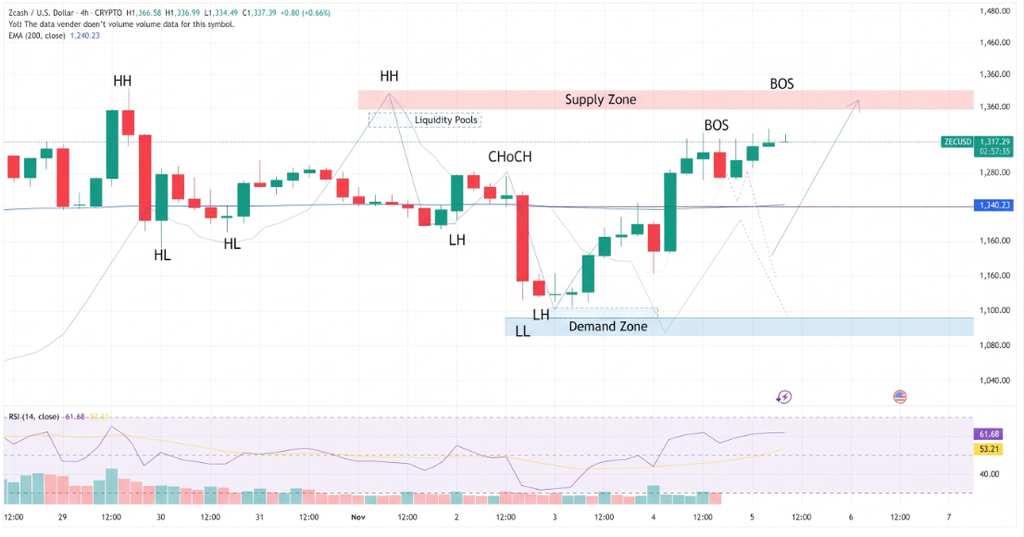
Retiring Sprout is intended to reduce the complexity and potential security risks associated with maintaining outdated transaction technology. NU7 will also shorten the target block interval from 75 seconds to 25 seconds. The block subsidy will be adjusted to one-third of its previous level, preserving the expected daily issuance rate.
Conclusion
Zcash’s NU7 upgrade represents an important technical transition, but it also creates a serious risk for anyone still holding funds in Sprout. Approximately $16 million in ZEC could become inaccessible under the new transaction rules, despite remaining visible on the blockchain. While a future upgrade might restore access, there is no guarantee that this will happen. Holders who want to retain control of their funds must move them before block 3,543,405. The deadline highlights the consequences of leaving assets in outdated blockchain infrastructure.
Sources & Methodology
Primary-source standard: Market-moving facts should link to original data releases, regulator notices, company filings or official project announcements whenever available. Secondary reporting is used for additional context, not as a substitute for original evidence.
Page last reviewed: