

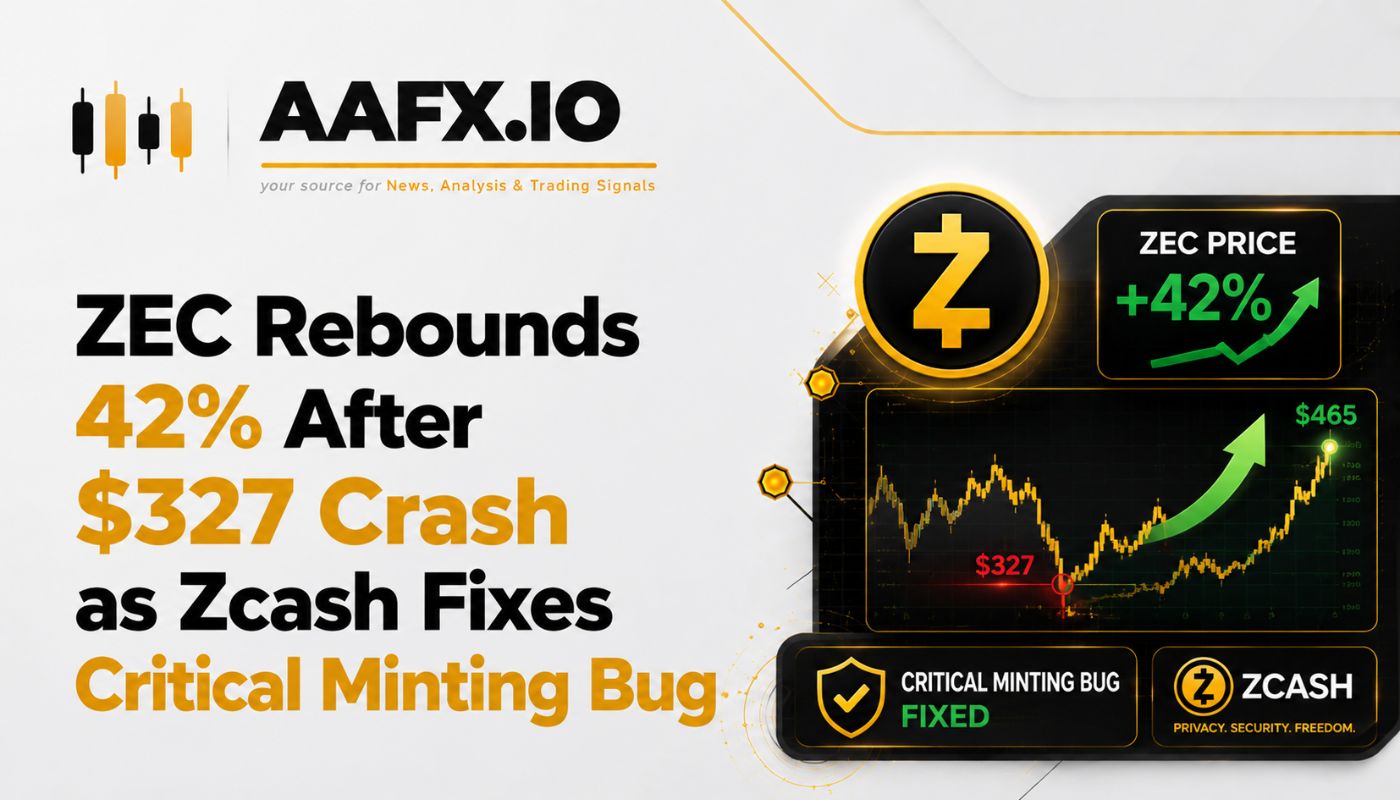
Zcash’s cryptocurrency, ZEC, bounced back after developers fixed a major vulnerability that put the network’s privacy features at risk. The token rose 13.5% in the last day to about $428.67, regaining much of what it lost during a very turbulent week.
The recovery came after Josh Swihart, founder of Zcash Open Development Lab (ZODL), explained how developers used a two-step emergency plan to fix the problem. First, they did a soft fork that paused Orchard transactions. This step lowered the risk of an attack and gave developers time to look into the issue without revealing sensitive details.
The second step was activating Network Upgrade 6.2 (NU6.2) on June 3. This hard fork fixed the vulnerability for good and brought Orchard back online. The quick action showed that the Zcash community can work together under pressure and keep the network stable during a crisis.
Orchard Vulnerability Sparks Panic
The market started selling off after Shielded Labs revealed a serious flaw in Zcash’s Orchard shielded pool. Orchard is the main privacy layer for the blockchain, letting users send and receive transactions using advanced zero-knowledge cryptography.
Security researchers warned that the vulnerability could theoretically have enabled the creation of counterfeit ZEC through unlimited token minting. Although investigators stated that no evidence of an exploit had been discovered, the disclosure immediately rattled investor confidence.
Several developments amplified market concerns:
- ZEC dropped over 50%, falling from about $630 to $303.
- Traders started to doubt how reliable Zcash’s privacy system was.
- The flaw affected Orchard, the network’s primary shielded pool.
- No confirmed exploitation of the vulnerability was detected.
- Major ecosystem participants coordinated emergency mitigation efforts.
AKey players in the ecosystem worked together on emergency fixes.o announced the liquidation of his entire ZEC position following the disclosure.
Recovery Signals Return of Confidence
Even after the big drop, investors have slowly come back as they see the network’s security response working. ZEC’s jump from about $303 to $428.67 is a recovery of over 41.5%, showing that buyers are interested again after the panic selling ended.
Swihart said the incident actually made the ecosystem better prepared for the future. He pointed out that mining pools, exchanges, and infrastructure providers all worked closely with developers. Big mining operators like ViaBTC and Foundry helped review and check fixes before they went live.
This incident also acted as a real-world test for Zcash’s governance and security. Supporters say the way the team responded showed strength, openness, and technical skill, instead of revealing big problems.
Investors are still thinking about long-term security, but the quick emergency upgrades and no signs of real exploitation have helped calm the market. For now, Zcash seems to have avoided disaster, and people are starting to focus more on recovery and future development.
