

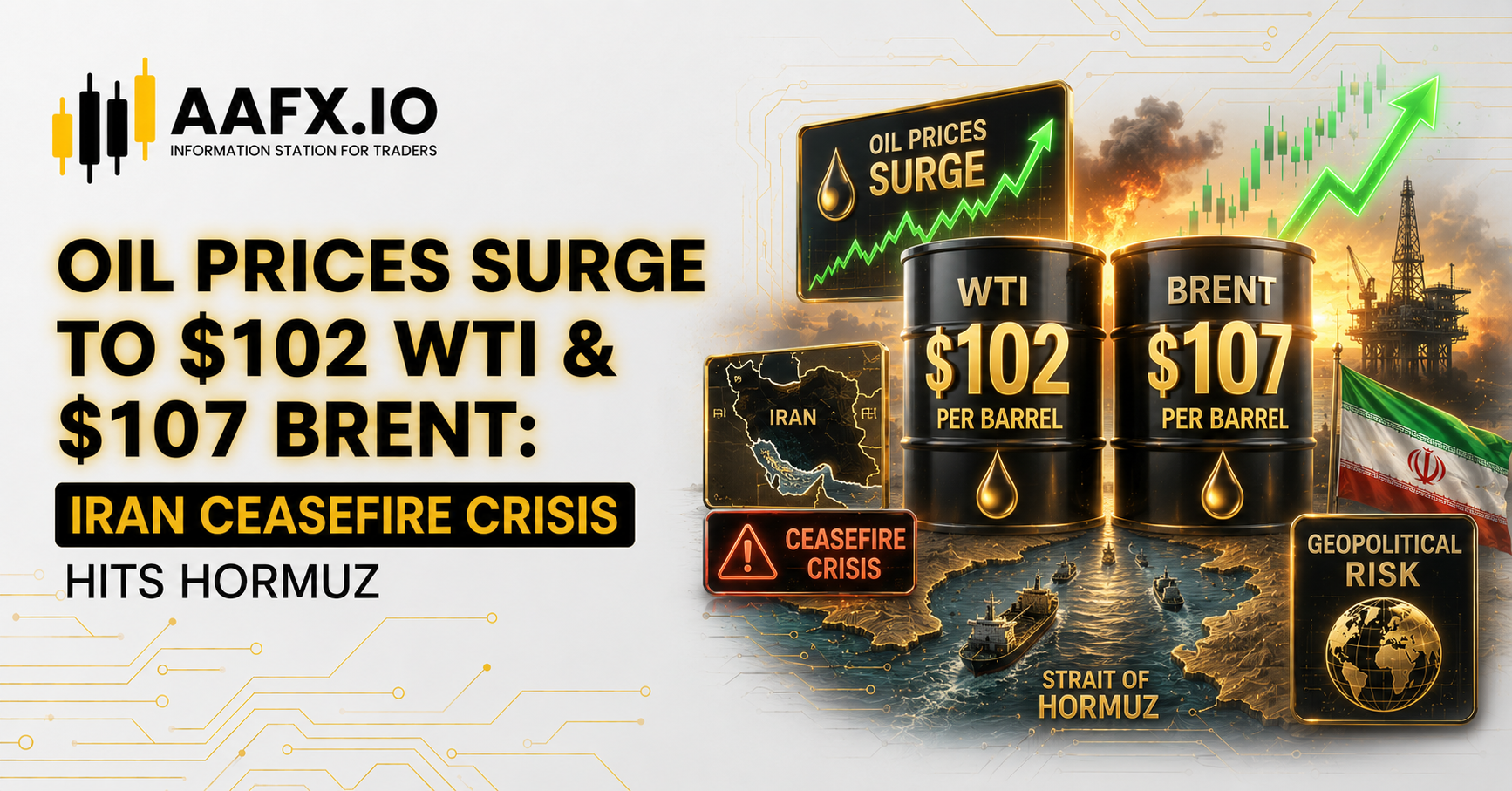
Oil prices surged in mid-May 2026, with WTI reaching $101 to $102 and Brent climbing to $104 to over $107. This jump is fueled by an unstable U.S.-Iran ceasefire and continued unrest in the Strait of Hormuz. On May 15, WTI traded around $101 to $102.50, while Brent stayed between $104 and $107, both seeing daily gains of 2 to 4 percent as geopolitical concerns grew.
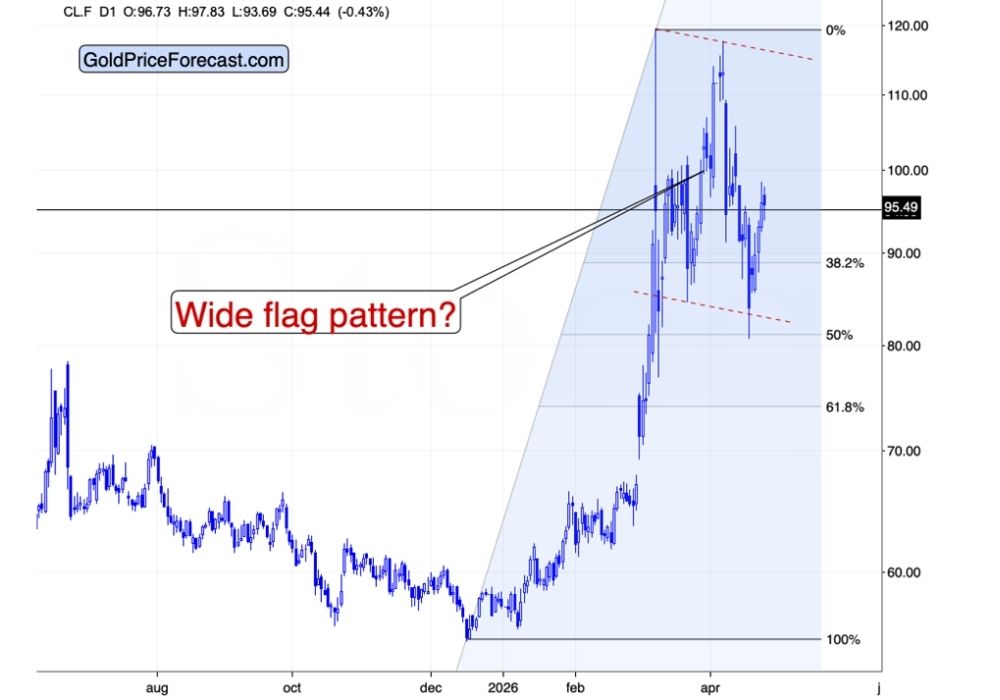
Unstable Ceasefire Drives Price Swings
The ceasefire brokered by Pakistan on April 8 has been extended several times but remains unstable. President Trump called Iran’s latest proposal “totally unacceptable” and is pushing for more nuclear concessions and stricter sanctions relief. Fighting continues, limiting tanker movement in the Strait of Hormuz, which handles about 20 percent of the world’s oil trade. This has led to significant supply shortages. The EIA warns that the partial closure could last through late May or even longer.
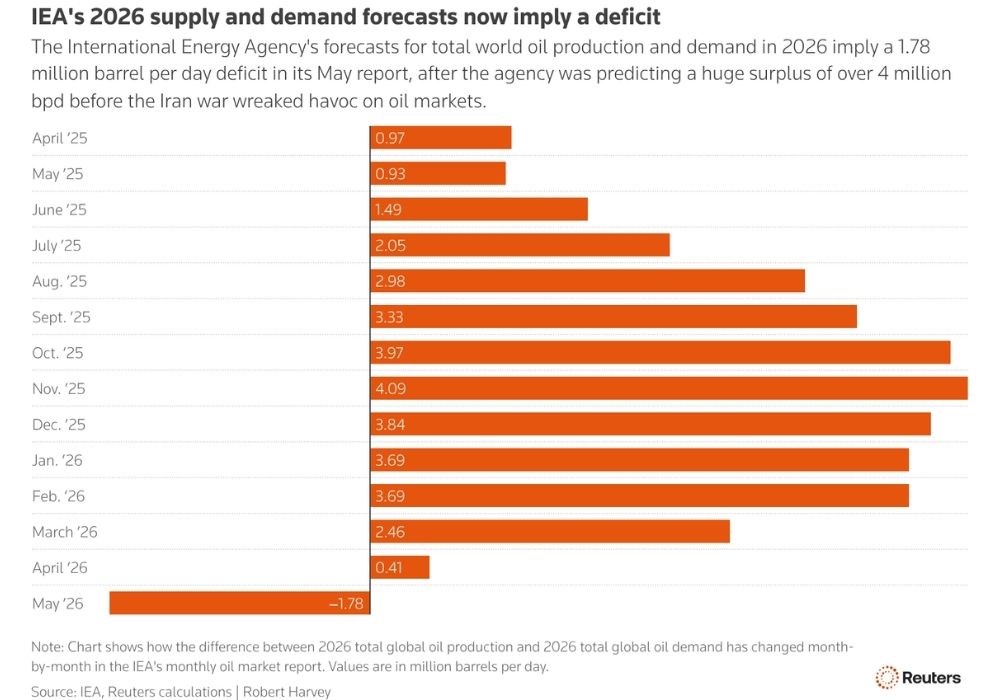
Worsening Supply Shortages
- Inventory Drawdowns: Global stocks fall at record rates of ~8.5–11 million b/d in Q2, with Gulf repairs potentially dragging into 2027.
- On May 12, Brent jumped to $107.77, up 3.4 percent, and WTI rose to $102.18, a 4.2 percent increase, after new diplomatic setbacks.
- Rising energy costs are pushing up the U.S. Consumer Price Index and sending gasoline prices above $7 per gallon in some areas. This adds more inflation pressure as the Federal Reserve shifts its policy.
Outlook & Key Risks
Analysts, including those at Goldman Sachs, have raised their forecasts. They now expect Brent to stay between $90 and $100, with the potential to go above $110 if problems continue. If OPEC+ increases production or a strong agreement is reached, prices could fall. However, more conflict, such as new mines or attacks, could cause prices to spike again. Key things to watch include U.S.-China negotiations, EIA inventory reports, tanker movements, and news about the ceasefire.
Traders are watching for Brent to hit resistance at $110 and for support between $98 and $100. The market is reacting strongly to headlines, showing how sensitive oil prices are to global events. This is increasing volatility in energy markets, inflation, and the world economy. More updates will follow.
