

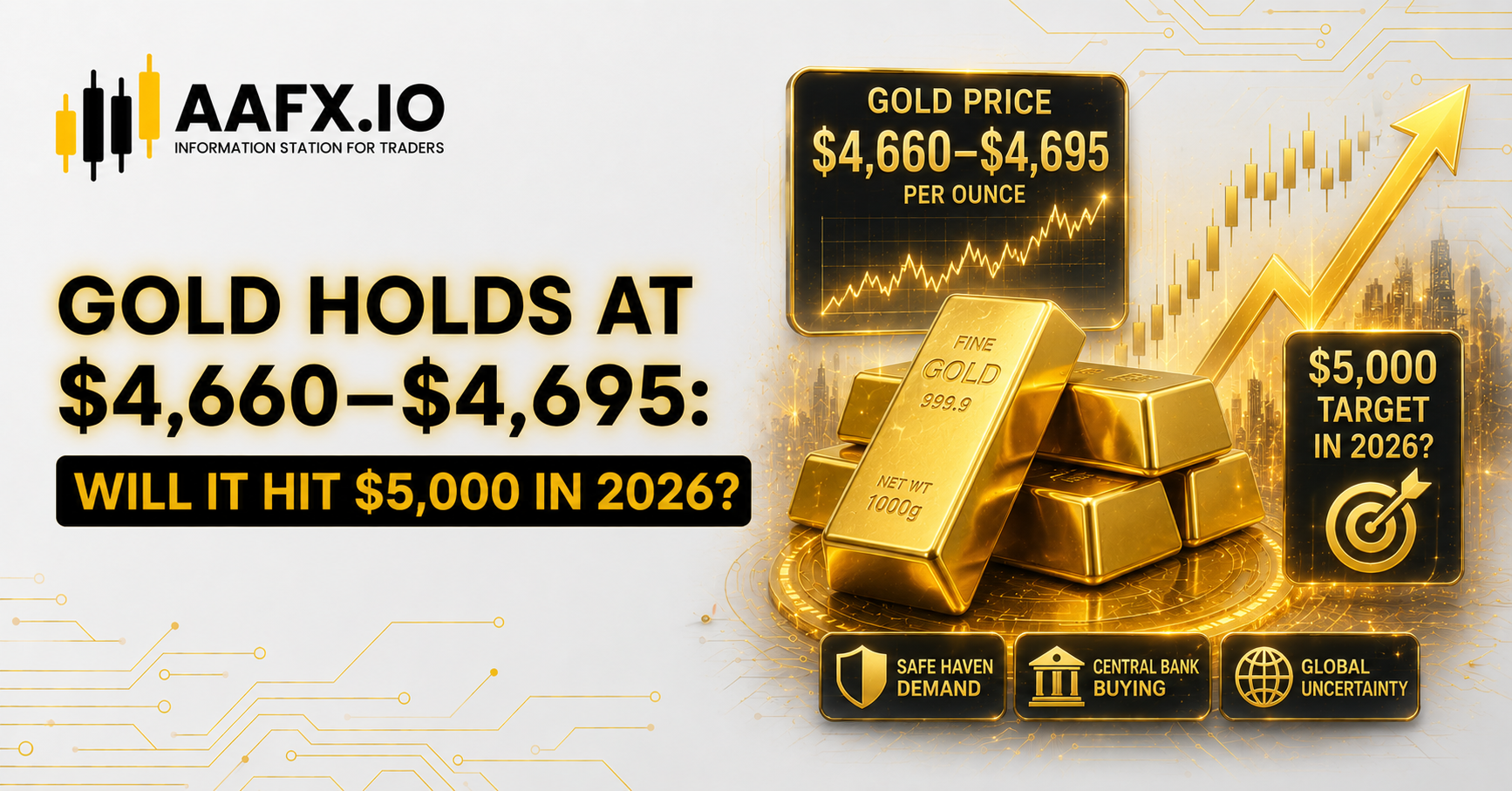
Gold prices are steady in mid-May 2026, staying close to $4,650 to $4,700 per ounce. This stability comes even as the U.S. dollar strengthens and Treasury yields rise under new Fed Chair Kevin Warsh. On May 15, spot gold (XAU/USD) is trading between $4,660 and $4,695, showing resilience in a narrow range while hopes for rate cuts decrease.
Macro Headwinds vs Safe-Haven Demand
A stronger dollar, solid jobs numbers, persistent inflation near 3.8%, and hawkish signals from the Fed are putting short-term pressure on gold. Higher yields also make it harder for gold to rise. However, there are still strong factors supporting gold, including:
- Geopolitical tensions, such as the fragile ceasefire between the U.S. and Iran, and oil prices rising to $101 to $107.
- Central bank buying Increased demand for gold as an inflation hedge, driven by energy price shocks and uncertainty around policies.shocks and policy uncertainty.
Silver prices are more volatile because of its industrial uses, while gold continues to stand out as the top safe-haven asset.
Technical Outlook & Long-Term Bull Case
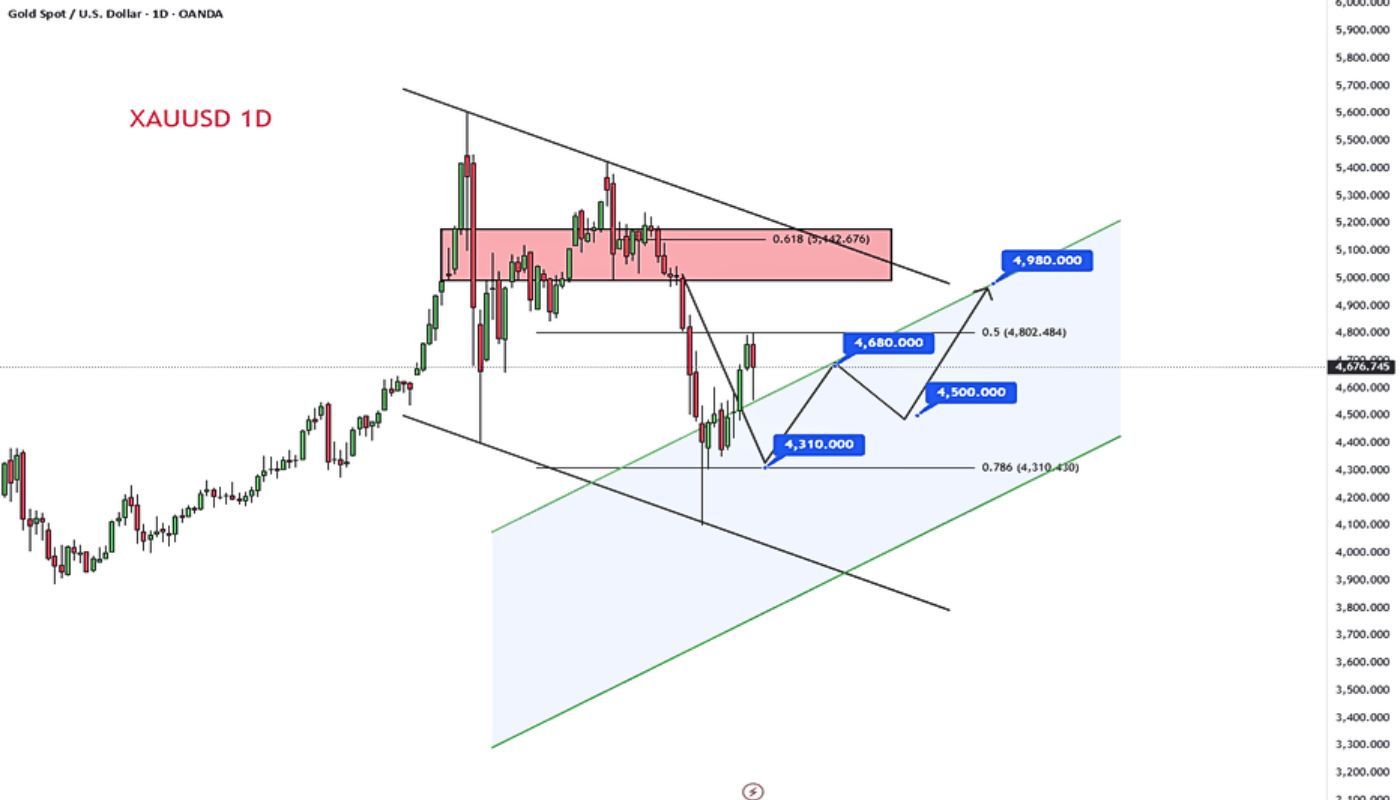
Gold has dropped about 15 to 16 percent from its all-time high of nearly $5,600 in January 2026, but it is still more than 40 percent higher than a year ago. Important price levels include support at $4,600 to $4,650 and resistance at $4,700 to $4,780. If gold moves above $4,700, it could reach $5,000.
Major banks remain optimistic. J.P. Morgan and others expect gold to reach over $5,000 by the end of 2026, supported by ETF inflows, strong buying in Asia, and continued institutional demand.
Risks to Watch
Risks to gold include a stronger U.S. dollar, higher-than-expected inflation data, or diplomatic progress that reduces global tensions. Traders should keep an eye on CPI and PPI reports, statements from Warsh, oil news, and developments between Trump and Xi.
Current levels may represent an attractive accumulation zone in a structural bull market — balancing near-term macro pressure with powerful long-term drivers.
