

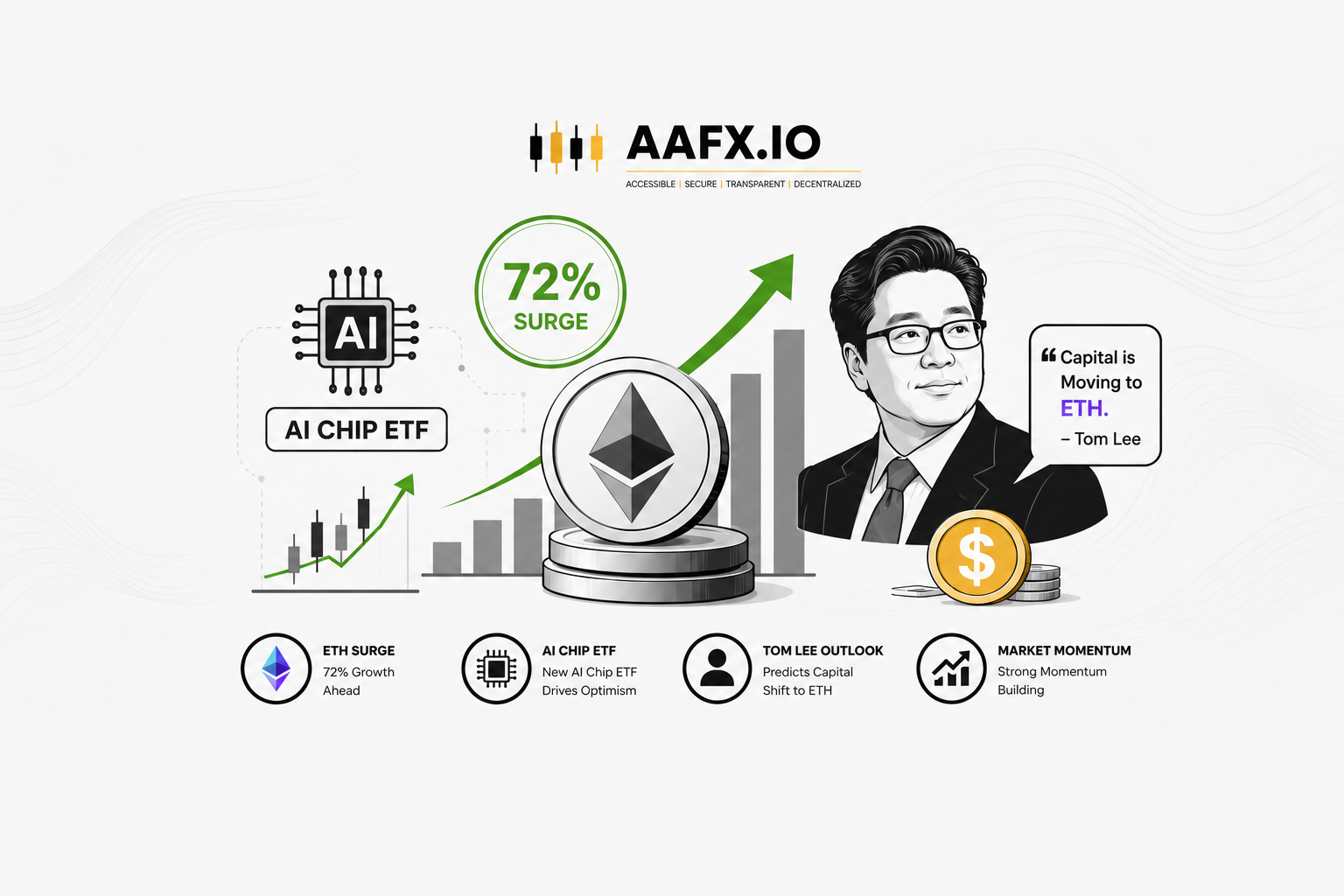
Ethereum outperformed the DRAM ETF by 72% as Tom Lee argues AI-related capital may be shifting toward ETH, signaling a potential new phase for crypto markets.
Ethereum Outpaces AI Chip Fund
Fundstrat’s Tom Lee has renewed his bullish stance on Ethereum, arguing that the cryptocurrency may be emerging as a key beneficiary of the artificial intelligence investment cycle. Rather than focusing only on decentralized finance, Lee believes Ethereum is becoming essential infrastructure for AI applications that require decentralized settlement, tokenization, and blockchain-based financial systems.
His latest observations highlight a striking divergence between Ethereum and an exchange-traded fund dedicated to memory-chip manufacturers. While Lee interprets the gap as evidence that the “AI downstream” investment theme is gaining traction, he also acknowledges that the argument currently rests on market performance instead of confirmed institutional fund-flow data.
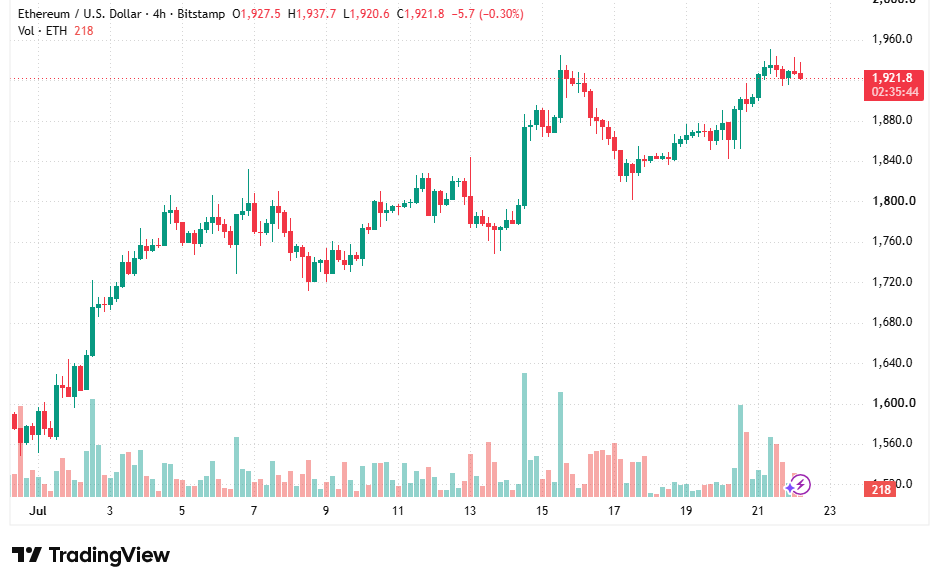
Ethereum’s growing role in AI-related infrastructure could reshape how investors evaluate the world’s second-largest cryptocurrency. If blockchain networks become increasingly integrated with AI-powered applications, Ethereum may attract capital beyond traditional crypto-focused investment strategies.
72% Performance Gap Explained
Lee’s analysis centers on Ethereum’s impressive one-month performance. During the period, Ether advanced approximately 24%, while the Roundhill Memory ETF (DRAM) declined by 38%. The difference amounts to roughly 7,200 basis points, or a 72% relative performance gap, creating one of the widest divergences between the two assets since the ETF launched.
Fundstrat illustrated the contrasting price movements through comparative market charts. However, the firm stopped short of presenting actual capital-flow statistics proving that investors have shifted money directly from semiconductor equities into Ethereum.
Key market figures include:
- Ethereum gained 24% over the past month.
- Roundhill Memory ETF fell 38% during the same period.
- Relative outperformance reached 72% (7,200 basis points).
- DRAM ETF launched in April 2026 as the first ETF focused solely on memory-chip manufacturers.
Without verified fund-flow evidence, Lee’s rotation thesis remains an interpretation of price action rather than a confirmed shift in institutional allocations.
AI Infrastructure Drives Outlook
The comparison with memory-chip companies is far from random. High Bandwidth Memory (HBM), DRAM, and NAND Flash chips are critical components powering today’s AI systems, making semiconductor manufacturers among the biggest winners of the AI boom.
According to International Data Corporation (IDC), global AI spending is projected to reach $758 billion by 2029. The research firm also reported that enterprise storage systems built specifically for AI workloads expanded 20.5% year over year during the second quarter of 2025, reflecting sustained corporate investment in AI infrastructure.
Against that backdrop, the recent weakness in memory-chip stocks appears more consistent with profit-taking and portfolio rebalancing than with deteriorating industry fundamentals.
For cryptocurrency markets, Lee’s thesis introduces an important long-term narrative. If Ethereum increasingly serves as the settlement and tokenization layer supporting AI-driven digital economies, institutional investors may begin viewing ETH alongside broader AI infrastructure investments rather than purely as a cryptocurrency.
Even so, caution remains appropriate. One month of market outperformance does not establish a durable investment trend, and additional evidence—including sustained institutional inflows and continued strength in Ethereum investment products—will be necessary before concluding that AI-focused capital is genuinely rotating from semiconductor equities into Ethereum. Until then, Lee’s “AI downstream” thesis remains an intriguing market development that deserves close attention but still awaits broader confirmation.
